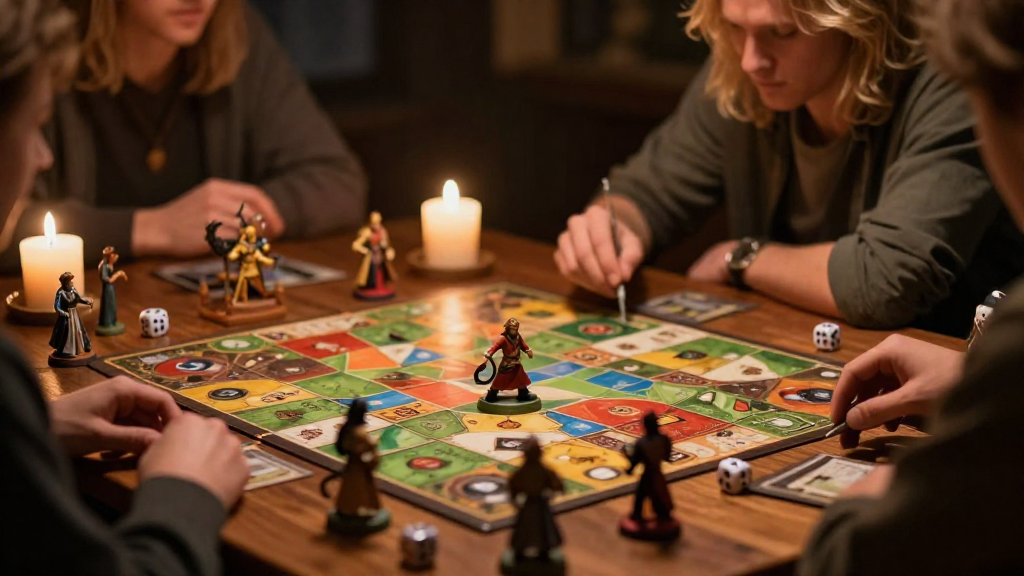
Setting up a Dungeons and Dragons game can be a fun and rewarding experience for both new and seasoned players.
The captivating worlds, immersed storytelling, and camaraderie that come from a D&D game are unmatched.
But you might be wondering, how to set up a Dungeons and Dragons game that is enjoyable for everyone involved?
In this article, we will guide you step by step on how to embark on this adventure.
What Are the Essential Components to Start?
Before diving into the nitty-gritty of how to set up a Dungeons and Dragons game, it’s crucial to understand the essential components you will need:
- Players: Gather a group of friends or family. A typical game works best with 4 to 6 players.
- Dungeon Master (DM): Appoint someone to be the DM, who will guide the game, narrate the story, and control non-player characters (NPCs).
- Rulebooks: The Player’s Handbook and Dungeon Master’s Guide are key resources to familiarize yourself with the rules.
- Dice: You will need a set of polyhedral dice, which includes:
– d4, d6, d8, d10, d12, and d20 - Character Sheets: Each player should have a character sheet to record their character’s abilities, spells, and gear.
- Adventure Module or Homebrew Story: Decide whether to use a published adventure or create your own story to guide the players.
With these components, you’re on your way to learning how to set up a Dungeons and Dragons game.
How Do You Choose a Dungeon Master?
Choosing the right Dungeon Master is pivotal.
The DM is responsible for storytelling, setting the tone, and creating an engaging experience.
Here are tips to determine who that person might be:
- Experience: An experienced player can enhance the game with intricate plotlines and engaging encounters.
- Storytelling Skills: Look for someone who enjoys storytelling and can captivate the players with vivid descriptions.
- Organizational Skills: The DM must keep track of various elements, such as rules, characters, and game flow.
- Flexibility: A good DM adapts to player choices and narrative twists.
Once you consider these factors, you can easily find a qualified DM to bring your game to life.
What Materials Do You Need for Gameplay?
When learning how to set up a Dungeons and Dragons game, having the right materials is essential for an immersive and enjoyable experience.
Here’s a comprehensive list of necessary materials:
- Maps and Miniatures: Utilize grid maps or digital tools for visualization, and miniatures for representing characters and creatures.
- Notes and Adventure Summary: The DM should prepare an adventure summary outlining major plot points and NPCs.
- Player Resources: Provide players with reference guides, tables, and cheat sheets for quick access to rules.
- Snack and Drinks: D&D sessions can be lengthy, so keep players fueled with snacks and beverages.
With these materials, you can create an inviting atmosphere that encourages creativity.
How Do You Generate Engaging Characters?
Creating interesting characters is one of the most enjoyable aspects of how to set up a Dungeons and Dragons game.
Here’s how players can get started on their character creation journey:
-
Choose a Race and Class:
– Races include options like Humans, Elves, Dwarves, and Half-Orcs.
– Classes range from Wizards and Rogues to Fighters and Clerics. -
Character Background:
– Encourage players to establish a backstory that provides context for their character’s motivations.
– Options might include being a noble, an outcast, or a former soldier. -
Select Abilities:
– Players use an ability score system to define their character’s strengths and weaknesses.
– This often involves rolling dice or using a point-buy system. -
Pick a Name:
– A distinctive name adds personality. Consider cultural backgrounds related to the chosen race. -
Personality Traits and Flaws:
– Encourage players to include quirks and flaws, making their characters more relatable and realistic.
How Do You Develop the Campaign Setting?
If you’re looking to learn how to set up a Dungeons and Dragons game, developing a campaign setting is fundamental.
The campaign setting provides the world where your players will embark on their adventures.
Here’s how to do it effectively:
- Establish the World Lore:
-
Craft a rich history, including notable events, legends, and conflicts.
-
Define Major Factions:
-
Create powerful organizations, guilds, and governments that players can interact with.
-
Create Key Locations:
-
Build cities, dungeons, and other significant locales that players will explore.
-
Incorporate NPCs:
- Design non-player characters with unique personalities, motives, and connections to the plot.
How Do You Plan Your First Session?
Planning your first session is a vital step in understanding how to set up a Dungeons and Dragons game.
Here are tips for a smooth first session:
-
Introduction:
– Begin with an engaging prologue to set the stage for the adventure. -
Character Introductions:
– Have players briefly share their character’s backstories and motivations. -
Plot Hooks:
– Present a compelling hook that motivates players to take action. -
Pacing:
– Balance challenges and exploration so that players remain engaged without feeling overwhelmed. -
Response to Player Choices:
– Be prepared for unplanned detours and embrace player creativity. Flexibility can lead to memorable moments.
How Can You Make Your Game Enjoyable?
To ensure everyone has a great time, consider these strategies on how to set up a Dungeons and Dragons game effectively:
- Encourage Role-Playing:
-
Invite players to embody their characters, whether through speech or actions.
-
Be Welcoming:
-
Create an inclusive atmosphere where all players feel valued and respected.
-
Feedback Loop:
-
After sessions, ask for feedback and be open to improvements.
-
Have Fun!
- Remember, the goal is to have fun—don’t sweat the small stuff!
Conclusion
Now that you have a comprehensive understanding of how to set up a Dungeons and Dragons game, you are well-equipped to embark on your adventure.
Gather your players, appoint a Dungeon Master, collect your materials, and begin crafting the stories that will excite your party.
Whether delving into ancient ruins or mingling with crafty merchants in a bustling city, the magic of D&D awaits.
So, gather your dice and let the adventure unfold! Happy gaming!
