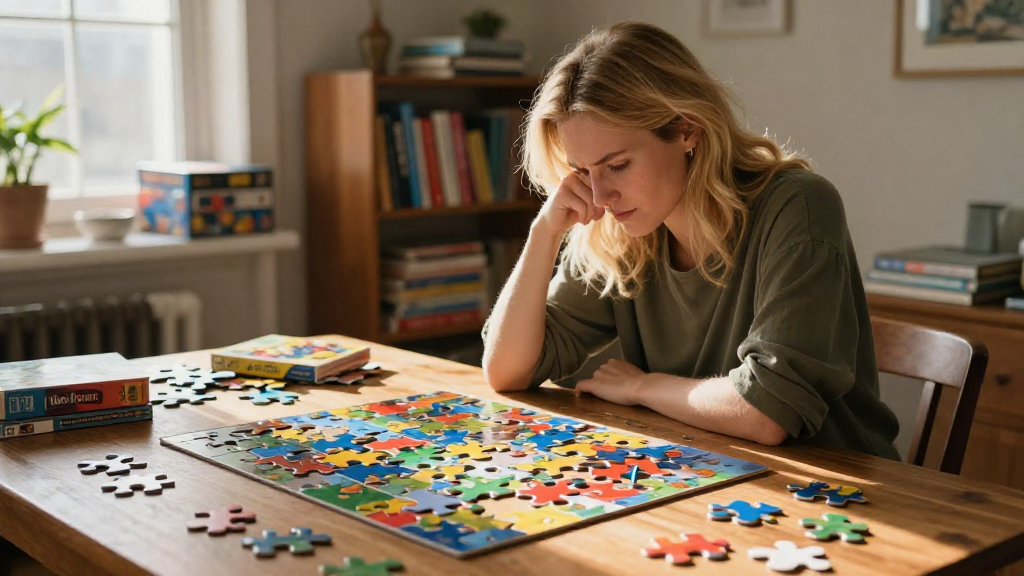
Are you looking to improve your cognitive abilities? Learning how to play puzzle games might be your secret weapon.
Puzzle games are not just a source of entertainment; they also serve to stimulate your brain, enhancing critical thinking, problem-solving skills, and memory. In this article, we will explore how to play puzzle games effectively, the types of puzzle games available, and the mental benefits they can offer.
Why Should You Play Puzzle Games?
Puzzle games are more than just fun; they can significantly enhance your mental faculties. Here are a few reasons why you should consider incorporating them into your daily routine:
-
Boosts Cognitive Skills: Engaging in puzzle games helps to sharpen your problem-solving abilities and improve your logical reasoning.
-
Enhances Memory: Regularly playing can improve both short-term and long-term memory performances.
-
Reduces Stress: Focusing on tasks can serve as a great distraction, lowering anxiety levels.
-
Increases Patience: Completing challenging puzzles teaches you to be patient and persistent.
How to Choose the Right Puzzle Game?
When learning how to play puzzle games, choosing the right one is crucial. Here’s how to pick the perfect puzzle game for you:
-
Identify Your Interests: Are you more inclined towards word puzzles, number games, or spatial challenges?
-
Assess Skill Level: Start with easy puzzles if you’re a beginner, gradually moving to more challenging ones as your skills improve.
-
Consider Time Commitment: Some puzzle games can be completed in minutes, while others may take hours or days—think about your available time.
What Types of Puzzle Games Can You Play?
There is a wide variety of puzzle games available to play. Understanding each type can help you decide which ones will best fit your interests and skills.
1. Logic Puzzles
These involve a set of premises and require solving through deductive reasoning.
- Examples: Sudoku, nonograms, logic grid puzzles
2. Word Games
Word puzzle games challenge your vocabulary and spelling, often requiring you to create or decipher words.
- Examples: Scrabble, crosswords, Wordle
3. Jigsaw Puzzles
These visual puzzles require assembling pieces to form a complete picture, which can improve spatial reasoning.
- Examples: Traditional jigsaw puzzles, digital jigsaw apps
4. Math Puzzles
These puzzles utilize numbers and mathematical concepts to reach a solution and enhance numerical fluency.
- Examples: Kakuro, KenKen
5. Mystery Puzzles
These often involve narratives where players need to solve a crime or a mystery through clues.
- Examples: Escape room games, detective-themed puzzles
How to Play Puzzle Games Effectively?
Once you’ve selected a type of puzzle game that interests you, you must learn how to play puzzle games effectively. Follow these guidelines:
1. Set a Relaxed Environment
Create a comfortable space with minimal distractions.
2. Practice Regularly
Like any skill, the more you practice, the better you’ll become. Consider allocating time each day or week for puzzle games.
3. Break Down Complex Puzzles
For larger or more challenging puzzles, break them down into smaller, manageable tasks.
4. Collaborate with Others
Playing with friends or family can make the experience more enjoyable and provide different insights.
5. Take Breaks When Needed
If you find yourself frustrated, take a break. Sometimes stepping away can provide clarity.
What Mental Benefits Can You Gain?
Understanding how to play puzzle games can yield several long-term mental benefits:
-
Improved Problem-Solving Skills
Solving puzzles requires critical thinking and encourages you to find solutions creatively. -
Better Focus
Concentration is key when it comes to puzzles, and consistent practice can enhance your overall focus in other areas of life. -
Increased Creativity
Many puzzle games stimulate imagination, often spurring creativity that translates into real-life tasks. -
Enhanced Resilience
Overcoming challenges in puzzles can teach you persistence—a valuable life skill. -
Social Connections
Playing with others can foster teamwork and companionship, enhancing your social well-being.
Are There Online Platforms for Puzzle Games?
If you’d like to try some innovative approaches, consider exploring online platforms for puzzle games. Here are a few popular ones:
-
Lumosity: Offers various cognitive training games aimed at enhancing memory and problem-solving skills.
-
Puzzle Page: A subscription model that provides daily puzzles including crosswords, sudoku, and more.
-
Khan Academy: Offers interactive challenges in math that are both fun and educational.
-
Daily Crossword Apps: These often feature a variety of themes and difficulty levels, allowing you to challenge yourself daily.
How to Incorporate Puzzle Games Into Your Routine?
Are you ready to make puzzle games a regular part of your routine? Here are some tips:
-
Schedule Dedicated Time: Set aside specific times during your day for puzzle-solving. This could be in the morning, during lunch, or in the evening.
-
Claim Your Commute: If you use public transport, use this time to engage with mobile puzzle games.
-
Family Game Nights: Once a week, make it a tradition to play puzzle games with family or friends.
-
Mix it Up: If you find one type of puzzle game becoming monotonous, switch it up with another type.
Conclusion: Are You Ready to Start Playing?
Now that you know how to play puzzle games and the myriad of benefits they provide, it’s time to take action.
Whether you’re challenging your mind with Sudoku, collaborating on a jigsaw puzzle, or exercising your vocabulary with crosswords, you’ll be sharpening your cognitive skills while enjoying yourself.
Be sure to make puzzle games a part of your daily routine to harness their full potential. Engage your brain, have fun, and unlock the numerous benefits that come with playing puzzle games. Start today, and you’ll soon see improvements not just in your gaming skills but in your daily problem-solving abilities!
