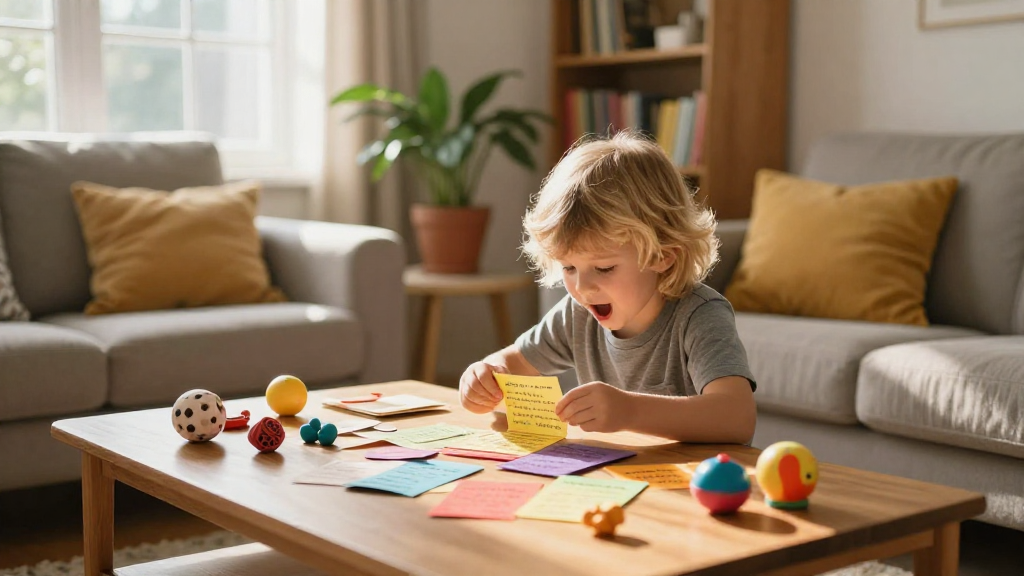
Are you looking for a fun and engaging activity that can be enjoyed by all ages?
This article will teach you how to make a scavenger hunt game at home that will keep everyone entertained and excited.
What Is a Scavenger Hunt Game?
A scavenger hunt game involves a list of items, clues, or tasks that players must find or complete within a specific location.
It’s a fantastic way to promote teamwork and problem-solving skills among family and friends.
Whether you’re planning a birthday party, family gathering, or just a fun day at home, creating your own scavenger hunt can be a memorable experience.
Let’s dive into the details of how to make a scavenger hunt game that everyone will love!
Why Should You Create a Scavenger Hunt Game?
Creating a scavenger hunt game has numerous benefits:
- Encourages Creativity: When you design the clues and the layout of your hunt, you tap into your creative side.
- Promotes Teamwork: Participants must work together to solve clues and complete challenges, fostering cooperation.
- Keeps Everyone Active: A scavenger hunt gets everyone moving, making it an excellent way to incorporate physical activity.
- Adaptable for All Ages: You can easily adjust the complexity of the clues to suit both children and adults.
- Creates Lasting Memories: Shared experiences like scavenger hunts often lead to fun stories and cherished moments.
How to Make a Scavenger Hunt Game?
Now that you understand the significance of a scavenger hunt, let’s go through the step-by-step process on how to make a scavenger hunt game right at home.
1. What Theme Will You Choose?
Choosing a theme will set the tone for your scavenger hunt.
Here are some popular options:
- Nature Adventure: Explore your backyard and nearby parks.
- Holiday-Themed: Based on seasons or specific celebrations, like Halloween or Easter.
- Mystery & Detective: Integrate clues, puzzles, and challenges that lead to a thrilling conclusion.
- Treasure Hunt: Find hidden treasures or treasures crafted by you.
Ask the participants what interests them to ensure everyone is excited!
2. Where Will the Scavenger Hunt Take Place?
The next step in how to make a scavenger hunt game is determining the location.
Choose Your Space
- Indoor: This can include any room in your home, basement, attic, or even the garage.
- Outdoor: Utilize your yard, local park, or neighborhood.
Wherever you decide, ensure the space is safe and manageable for all participants.
3. How to Create Clues and Tasks?
Clues and tasks are the heart of your scavenger hunt.
Here are some suggestions to make them engaging:
- Puzzles: Create riddles or puzzles that lead to the next clue.
- Photo Challenges: Ask participants to take photos of specific items or scenarios.
- Physical Tasks: Integrate challenges like jumping jacks, hula-hooping, or balancing tasks.
Consider these examples:
- “Find something red in the house; take a picture with it.”
- “Search for a book by your favorite author – and tell us a fun fact about it.”
Make sure your clues are varied in difficulty to provide a balanced experience.
4. What Items Will You Include?
Compile a list of items that participants need to find or tasks to complete, ensuring it matches your chosen theme.
Here are some ideas based on different themes:
- For a Nature Adventure:
- A leaf shaped like a heart
- A smooth stone
-
A flower with five petals
-
For a Mystery & Detective Theme:
- A “fingerprint” from a glass (use a printed image)
- A hidden note
- A specific colored object
5. How Will You Organize Teams?
To enhance engagement, you can divide participants into teams.
Team Dynamics:
- Pair Families: Depending on the number of participants, you can form teams of 2-4, including varying age groups to encourage diverse problem-solving.
- Individual Participation: For smaller groups or more competitive environments, let everyone hunt solo.
6. What Are the Rules of the Game?
To ensure smooth gameplay, set some basic rules:
- Time Limit: Specify how long participants have to complete the hunt.
- Item Verification: Decide how items will be verified; either through pictures, collected objects, or solving clues.
- Behavior: Set guidelines about searching (no forcing, respect others’ spaces).
Ensure to communicate these rules clearly before starting!
7. How to Keep Score?
If you want to add a competitive edge, establish a scoring system.
You can award points for:
- Finding Items: Each found item can earn teams a set number of points.
- Task Completion: Extra points for completing tasks or challenges.
- Creativity: Award points for teams that display creative approaches on photo challenges.
This adds excitement to how to make a scavenger hunt game!
8. What About Prizes?
Everyone loves a good reward! Consider offering small prizes to all participants for taking part.
However, you can also have a special prize for the winning team.
Prize Ideas:
- Gift cards
- Fun toys or trinkets
- Homemade goodies or treats
Make the rewards suitable for the age group of participants!
9. How to Wrap It Up?
After the scavenger hunt is over:
- Share Stories: Allow everyone to recount their experiences and the funniest moments during the hunt.
- Display Photos: If you had a photo challenge, have everyone share their images for a fun slideshow.
- Celebrate: Conclude with snacks or a mini-celebration to appreciate everyone’s efforts and creativity.
Conclusion: Ready to Start Your Scavenger Hunt?
Now that you know how to make a scavenger hunt game at home, it’s time to gather materials, get creative, and have fun!
You can adapt every aspect to suit your needs, making it a perfect activity for any occasion.
So, get those clues ready, and embark on a memorable adventure!
