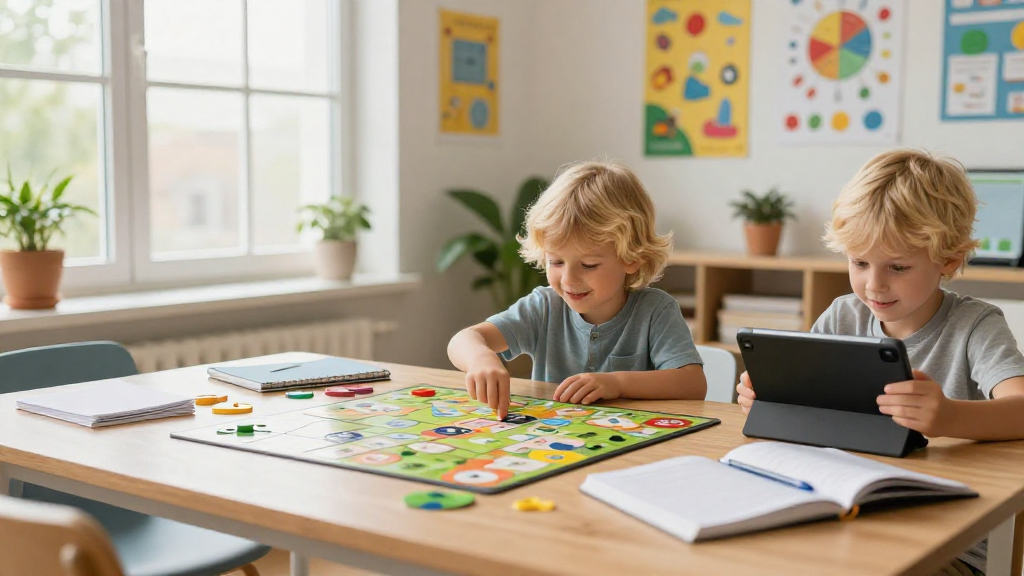
Are you looking for innovative ways to enhance education? Learn how to gamify learning to make the process more engaging and effective.
What Does It Mean to Gamify Learning?
Gamification is the integration of game-like elements into non-game contexts.
When applied to education, it involves using game mechanics to enrich the learning experience.
This can include point scoring, leaderboards, badges, and other game design principles.
By incorporating these elements, educators can boost motivation and foster teamwork and competition.
Why Should You Consider Gamifying Learning?
There are numerous benefits to gamifying learning, whether at home or in the classroom:
- Increased Engagement: Students are often more captivated by games than by traditional learning methods.
- Enhanced Retention: Game-like activities can aid memory retention, making it easier for students to recall information.
- Fostering Collaboration: Many games require teamwork, which can help develop social skills.
- Immediate Feedback: Games often provide real-time responses, allowing learners to understand their strengths and weaknesses.
- Motivation Boost: Earning rewards, leveling up, or completing challenges can motivate students to achieve their goals.
How to Gamify Learning: What Are Some Effective Strategies?
To effectively implement gamification, consider these strategies:
1. What Game Mechanics Can You Use?
Identify which game mechanics resonate most with your learners.
Here are some popular options:
- Points System: Give students points for completing tasks, participating in discussions, or achieving milestones.
- Levels: Create levels that students can reach as they accumulate points, making the learning process feel like a progression.
- Badges: Award digital badges for accomplishments, encouraging students to aim for more.
- Leaderboards: Display rankings based on points to instill friendly competition.
- Challenges: Introduce quests that require students to complete specific learning objectives.
2. How Can You Design Game-like Activities?
Focus on creating activities that mimic the interactivity of games.
For example:
- Quizzes: Transform quizzes into competitive games where students can earn points for speed and accuracy.
- Role-playing: Engage students in role-playing activities that encourage them to act out scenarios related to the subject matter.
- Scavenger Hunts: Organize scavenger hunts that require students to find information or items related to their studies.
- Simulation Games: Use simulations that mimic real-life scenarios where students have to make decisions based on learned material.
3. What Tools Can You Use to Gamify Learning?
Here are some effective tools and platforms that can help you gamify learning:
- Kahoot!: This platform allows you to create quizzes that students can play in real-time on their devices.
- Quizizz: Similar to Kahoot!, it offers fun multiplayer quizzes with a competitive edge.
- Classcraft: A role-playing platform that lets students create characters and embark on quests while learning.
- Google Classroom: While not solely a gamification tool, you can enhance engagement by incorporating game mechanics within this platform.
How to Implement Gamified Learning in Your Curriculum?
Now that you have strategies and tools, here’s how you can develop a plan:
1. What Are Your Learning Objectives?
Determine what learning outcomes you want to achieve.
Tailor your games and gamified activities around these objectives.
For instance, if you are teaching math, design challenges that require applying math concepts.
2. How Much Time Can You Allocate for Gamification?
Look at your class schedule.
Decide how much time you can devote to gamified activities without compromising the overall curriculum.
You may want to start small, perhaps dedicating a day each week for special game-based learning.
3. What Is Your Audience Like?
Understand the preferences and demographics of your learners.
If they are younger students, they may respond better to simple, colorful games.
Older students might enjoy competitive elements or more complex, strategic games.
4. How Can You Assess Learning?
Develop assessment methods that tie into your gamified activities.
Consider using:
- Reflection Journals: Have students reflect on what they learned from the gamified experiences.
- Skill-based Assessments: Create tasks that assess specific skills demonstrated during the gamified learning process.
5. How Will You Adapt and Iterate?
As with any educational strategy, you should be open to adjustments.
After implementing gamification, gather feedback from your students.
Ask them what they enjoyed and what could be improved.
Conclusion: Are You Ready to Gamify Learning?
Now that you know how to gamify learning, take the plunge to incorporate these strategies into your teaching methods.
By making learning fun, you can not only engage students but also enhance their educational experience.
Whether you’re a teacher in a classroom or a parent at home, gamification can transform the way learning occurs.
Utilize the techniques mentioned above to get started on your gamification journey.
Roll the dice! The fun of learning awaits you and your students.
