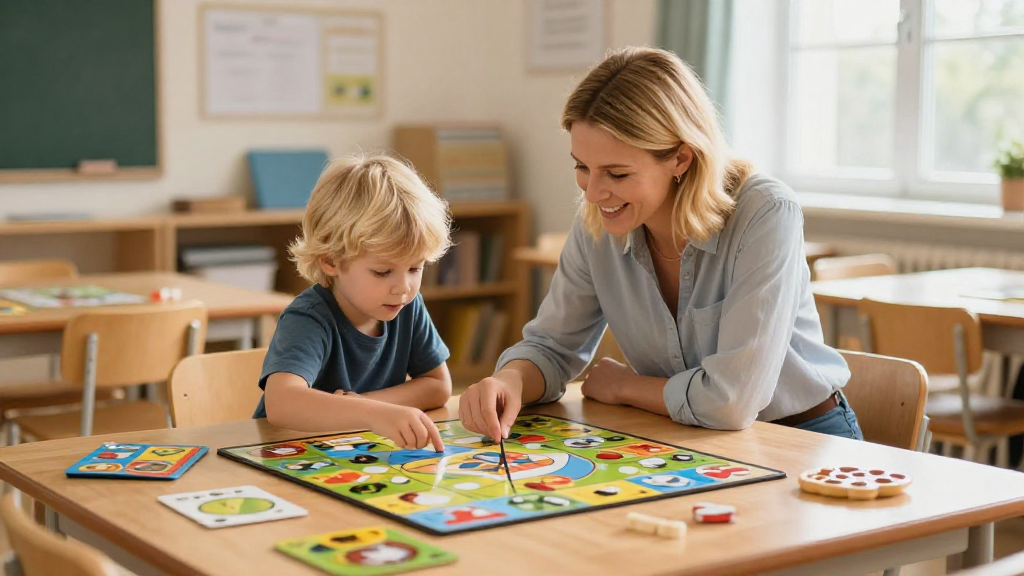
In today’s educational landscape, learning through play is becoming increasingly popular, which raises the question: how to teach through games effectively?
What Are the Benefits of Teaching Through Games?
Teaching through games offers numerous advantages that can enhance the learning experience for students of all ages.
-
Engagement: Games promote active participation, making students more involved in the learning process.
-
Creativity: Game-based learning encourages creativity, as students often explore multiple solutions to achieve their goals.
-
Collaboration: Many games require teamwork, helping students develop important social and communication skills.
-
Immediate Feedback: Games provide instant feedback, allowing students to learn from their mistakes in real-time.
-
Skill Development: Through gameplay, students can develop critical thinking and problem-solving skills in a low-pressure environment.
By understanding these benefits, educators can harness the full potential of games in the classroom.
How to Choose the Right Games?
Choosing the right games is crucial when considering how to teach through games effectively.
-
Align with Learning Objectives: Ensure the game aligns with your curriculum goals and desired outcomes.
-
Age Appropriateness: Select games that are suitable for the age group you are teaching.
-
Educational Value: Look for games that teach specific skills or knowledge relevant to your subject area.
-
Engagement Factor: Choose games that are fun and engaging to keep students interested and invested.
-
Feedback Mechanisms: Consider games that offer feedback to players, helping them to learn and grow.
How to Integrate Games into Your Curriculum?
Incorporating games into your curriculum can be a seamless process, making it a foundational element in your teaching strategy.
-
Kick-off with a Game Night: Host a game night where students can experience different educational games in a relaxed setting.
-
Use Games as a Warm-up: Start your lessons with a short game to engage students and set a positive tone for the class.
-
Group Activities: Organize group games to foster teamwork and collaboration while reinforcing key concepts.
-
Assessment Through Play: Use games as informal assessment tools to gauge understanding of material in a fun way.
-
Homework Assignments: Assign games as homework, allowing students to reinforce their learning outside the classroom environment.
By creatively integrating games into your curriculum, you can answer the query of how to teach through games by making your lessons less traditional and more interactive.
How to Facilitate Game-Based Learning?
Facilitating effective game-based learning is essential for maximizing its potential. Here’s how:
-
Set Clear Objectives: Before starting, communicate the learning objectives of the game to your students clearly.
-
Provide Instructions: Ensure students understand the rules and objectives of the game to minimize confusion.
-
Monitor Participation: Walk around while students play, observing engagement levels and providing support where necessary.
-
Encourage Reflection: After the game, facilitate a discussion to reflect on what students learned and how it relates to the curriculum.
-
Be Flexible and Adapt: Be prepared to adapt the game as needed based on student responses, ensuring it meets their needs.
By focusing on these facilitation strategies, educators can effectively address how to teach through games and improve the learning environment.
How to Select Games for Different Learning Styles?
Different students have varied learning styles, and selecting games that cater to these can significantly enhance their learning experience.
-
Visual Learners: Choose games that emphasize graphics, visual cues, and diagrams.
-
Auditory Learners: Incorporate games that include sound effects, narrations, or discussions as these students tend to thrive in audio environments.
-
Kinesthetic Learners: Opt for physical games that require movement or hands-on activities to engage students fully.
-
Social Learners: Select multiplayer games that harness teamwork and communication, allowing for collaborative learning.
-
Independent Learners: Use solo-player games that allow these learners to explore at their own pace.
By carefully selecting games that align with various learning styles, you can better address the question of how to teach through games effectively.
How to Evaluate the Effectiveness of Game-Based Learning?
After implementing game-based learning strategies, evaluating their effectiveness is essential. Here are some steps to do that:
-
Gather Feedback: Conduct surveys to understand student perceptions and experiences regarding game-based learning.
-
Measure Learning Outcomes: Assess students’ understanding of the subject matter using quizzes or tests before and after gameplay.
-
Observe Engagement: Monitor student engagement levels during the games and adjust future lessons based on your observations.
-
Check Retention: Evaluate retention rates of information learned through games to assess long-term impact.
-
Adapt and Evolve: Based on your evaluations, continually adapt your game selections and teaching methods to meet the needs of your students.
By systematically evaluating your strategies, educators can refine their approach to effectively tackle how to teach through games.
How to Make Game-Based Learning Sustainable?
To keep game-based learning a part of your teaching approach, it is vital to consider sustainability. Here’s how:
-
Continuous Training: Participate in professional development opportunities to learn about the latest educational games and methodologies.
-
Resource Sharing: Form a community with other educators to share tips, game resources, and successful strategies.
-
Integrate into Daily Routine: Make game playing a regular practice, embedding it into your teaching schedule.
-
Seek Student Input: Allow students to suggest games they enjoy and want to play, contributing to a communal learning environment.
-
Diversify Game Selection: Regularly update and diversify your game choices based on educational needs and student interests.
By focusing on sustainability, educators can ensure that game-based learning remains a vital part of their teaching, responding to the ongoing question of how to teach through games effectively.
Conclusion
Incorporating games into education can be a powerful tool for facilitating learning while keeping students engaged and motivated.
By understanding how to teach through games effectively, educators can create vibrant, interactive learning environments that foster collaboration, creativity, and critical thinking skills.
From selecting the right games to evaluating their effectiveness, the strategies discussed in this article provide a roadmap for successfully integrating play into education.
As you explore these methods, let the joy of learning through games transform your teaching practice and inspire your students to reach their fullest potential!
