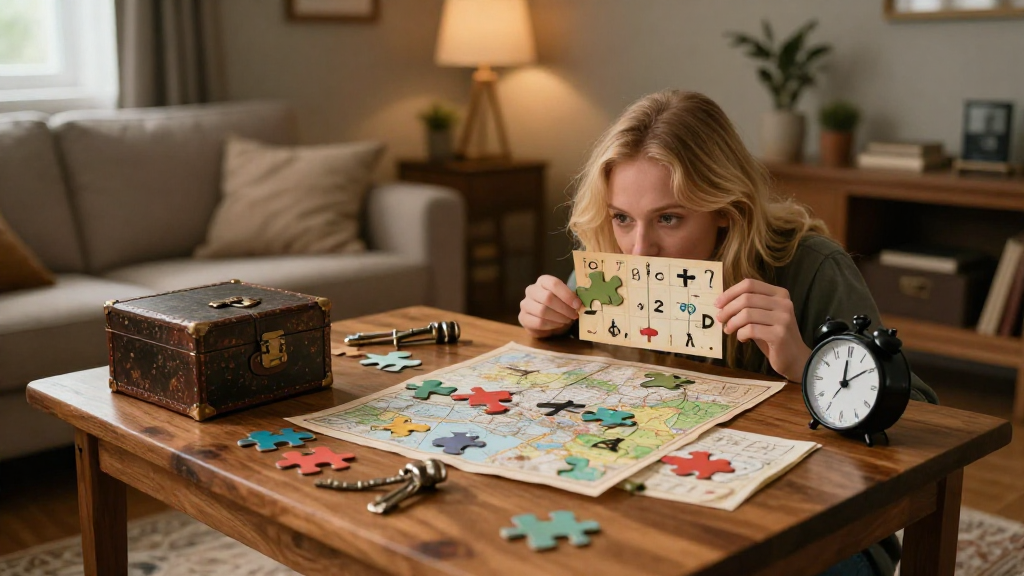
Looking to engage your friends and family in a fun and creative way?
This article will guide you through how to make an escape room game at home.
What is an Escape Room Game?
An escape room game is a physical adventure where players solve a series of puzzles using clues, hints, and strategy to complete the objectives at hand.
Typically, these games have a specific theme, narrative, or scenario.
Participants must work together to escape a locked room or complete a set of tasks within a designated timeframe.
Creating an escape room game at home can be an exciting project that encourages teamwork and problem-solving.
How Do You Start Planning an Escape Room Game?
When it comes to learning how to make an escape room game, the planning stage is crucial.
Here’s a step-by-step guide to help you get started:
1. Choose a Theme
Deciding on a theme sets the tone for your escape room.
Some popular themes include:
- Mystery: Solve a murder or uncover a hidden secret.
- Adventure: Set out on a quest in ancient ruins or sailing the high seas.
- Horror: Escape from a haunted house or a creepy asylum.
- Science Fiction: Travel through space or time to fix a malfunctioning device.
Once you’ve chosen a theme, it will guide your storylines, puzzles, and decor.
2. Create a Storyline
Your story should captivate participants and give them a purpose.
Craft a narrative that aligns with your chosen theme.
For example, if you select a mystery theme, your storyline could involve uncovering clues to solve a murder case.
Make the story engaging but straightforward to ensure that players can focus on the puzzles.
3. Design Your Escape Room Layout
The layout of your escape room is essential to its success.
Consider the following elements:
- Space: Use a dedicated room or a section of a larger space.
- Accessibility: Ensure all players can move freely and safely.
- Zones: If desired, divide your room into separate areas for different challenges.
4. Select and Create Puzzles
Now comes the fun part: creating puzzles.
Puzzles should be challenging but solvable, promoting teamwork. Here are some types of puzzles you can include:
- Word Puzzles: Include riddles or word searches that reveal clues.
- Logic Puzzles: Require participants to think critically to arrive at a solution.
- Physical Challenges: Add tasks that involve movement or manual dexterity, like unlocking a combination lock.
- Hidden Objects: Conceal items around the room that players must find to solve additional puzzles.
Make sure you have a variety of puzzle types to engage different skill sets.
5. Gather Materials
You may need various supplies depending on the puzzles and the room’s theme.
Here’s a simple list of some materials to gather:
- Locks and Keys: Padlocks for treasure boxes, combination locks, etc.
- Props: Items that fit your theme, such as maps, books, or vintage furniture.
- Clue Cards: Small notes with hints for players that they can find throughout the room.
- Decorations: Items to create the right ambiance, like dim lighting, thematic music, or posters.
How Do You Set Up the Escape Room?
Setting up the room properly can enhance the game experience significantly.
1. Decorate According to the Theme
Use items and decorations that fit your chosen theme.
Natural items, lighting, and colors should align with your escape room’s narrative.
2. Stage the Puzzles
Now that the decorations are set, place your puzzles within the room strategically.
Make sure each clue naturally leads to the next one, maintaining a flow throughout the game.
3. Set a Time Limit
To enhance the challenge and excitement, set a time limit for players to escape.
A recommendation is 60 minutes, but feel free to adjust this to fit your group.
How Do You Play the Escape Room Game?
Once set up, it’s time for the fun part: playing the game!
1. Gather Your Players
Invite friends, family, or even coworkers to take part.
A group of 4-8 people is typically ideal for an engaging experience.
2. Explain the Rules
Before starting, give a brief overview of the rules:
- Teamwork: Encourage collaboration among players.
- No Phone Use: Participants shouldn’t use their phones to search for answers.
- Hints: Decide in advance how many hints will be available and how they’ll be provided.
3. Start the Timer
Once everyone is ready, start the timer and let the game begin!
4. Monitor the Gameplay
Keep an eye on the gameplay to ensure everyone is engaged and having fun.
Be ready to give hints if players get stuck for too long.
How Do You Evaluate the Escape Room Experience?
After the game concludes, take some time to evaluate the experience and gather feedback.
1. Gather Feedback from Participants
Ask players to share their thoughts on the puzzles, storyline, and overall experience.
This feedback can help you make improvements for future escape room games.
2. Reflect on the Experience
Consider what worked well and what didn’t.
Were the puzzles too easy or too difficult?
Did the story flow logically?
Take notes to refine your game for next time.
Conclusion: How to Make an Escape Room Game
Creating an escape room game at home can be a thrilling experience for both the host and the players.
By following the steps on how to make an escape room game, you can produce an exciting and memorable event.
Whether you choose a mysterious theme or an adventurous quest, the key to success is thorough planning.
Engage your friends or family in a race against time where they can bond and have fun while solving puzzles.
Ready to create your own escape room adventure? Gather your materials, set up an intriguing story, and prepare for hours of excitement!
