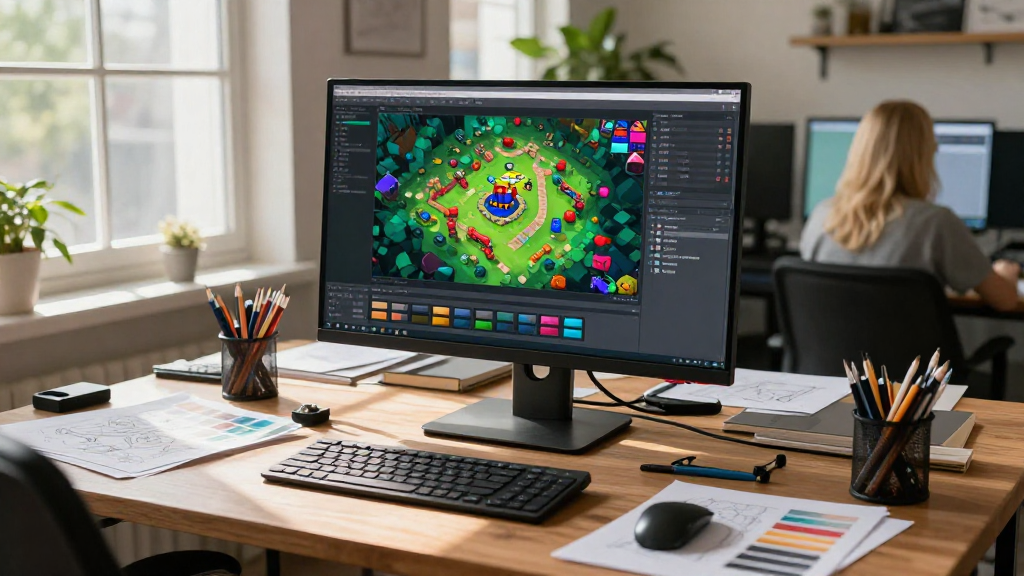
Creating engaging game levels is crucial for delivering an enjoyable gaming experience.
In this article, we will explore how to design game levels that not only captivate players but also enhance gameplay dynamics.
What Are the Key Components of Game Level Design?
When learning how to design game levels, there are several components you need to consider:
-
Theme and Setting:
– What is the central idea of your game?
– Choose settings that complement the theme, such as fantastical worlds, post-apocalyptic landscapes, or urban environments. -
Player Goals and Objectives:
– What are players trying to achieve?
– Clearly defined goals will guide players and give them a purpose as they navigate through levels. -
Challenges and Obstacles:
– How will you test your players’ skills?
– Include puzzles, enemies, and platforming sequences that progressively increase in difficulty. -
Flow and Pacing:
– Is your level well-paced?
– Alternate between intense action and moments of respite to keep the players engaged without overwhelming them. -
Rewards and Feedback:
– How will players know they’ve succeeded?
– Incorporate feedback mechanisms, such as visual cues and audio signals, to reward players for accomplishing tasks.
How Do You Create a Compelling Level Layout?
When considering how to design game levels, the layout plays a critical role in player experience:
- Maze vs. Linear Design:
- Are levels open and exploratory, or are they designed for direct progression?
-
Both styles cater to different gaming experiences. A maze design allows players to explore, while linear levels streamline the experience.
-
Scaling Difficulty:
- How can you gradually increase challenges?
-
Start users with simple obstacles and build toward complex challenges that require strategic thinking.
-
Visual Landmarks:
- Are there points of interest players can navigate towards?
-
Use visual cues to guide and orient players within the level. This can include distinct architecture, colors, or environmental elements.
-
Clear Pathways:
- Are there obvious routes and choices?
- Structure pathways to give players options, but ensure some paths are more rewarding than others to encourage exploration.
What Role Does Playtesting Have in Level Design?
When discussing how to design game levels, playtesting is an essential step:
- Gathering Feedback:
- How do players react to your level?
-
Observing real players will help identify which aspects work and which don’t.
-
Iterating Based on Results:
- Are you willing to make necessary changes?
-
Use criticism to inform your design choices. Iterate on your level based on feedback to refine gameplay experiences.
-
Balancing:
- Is the level too easy or too hard?
- Striking the right balance is critical to ensure players find the game challenging yet enjoyable.
How Do Visual Design and Aesthetics Impact Gameplay?
Aesthetics play a significant role when you explore how to design game levels:
- Art Style Cohesion:
- Does your level art match the game’s style?
-
Ensure visual consistency throughout the game to create an immersive experience.
-
Lighting and Color:
- How can lighting influence player perception?
-
Use lighting to highlight important areas, create atmosphere, and enhance mood.
-
Sound Design:
- What role does audio play in immersion?
- Implement ambient sounds, music, and sound effects strategically to enrich the gameplay experience.
How Important Is Story Integration in Level Design?
Story is a vital aspect when figuring out how to design game levels:
- Narratives and Levels:
- How can you embed a story within gameplay?
-
Integrate story elements seamlessly within the levels to enhance immersion and player investment.
-
Environmental Storytelling:
- Can the level itself tell a story?
- Use environmental details—like ruined buildings or interesting NPCs—to narrate lore without the need for exposition.
What Tools and Techniques Can Help in Level Design?
In your quest to understand how to design game levels, various tools and techniques can streamline the process:
- Level Design Software:
- What programs can help you create levels effectively?
-
Tools like Unity, Unreal Engine, and SketchUp can provide powerful features for designing intricate levels.
-
Design Documents:
- Are you creating a plan for your level?
-
Use design documents to outline story elements, gameplay mechanics, and level flow before diving into development.
-
Prototyping:
- How can you quickly test ideas?
- Develop prototypes of levels to simulate gameplay and gather feedback early in the design process.
How Can You Optimize for User Experience?
To successfully address how to design game levels, user experience is paramount:
- User Interface (UI):
- Is your UI intuitive and player-friendly?
-
Ensure that the UI communicates essential information without cluttering the screen.
-
Accessibility:
- How can you cater to different players?
-
Consider accessibility options such as color-blind modes, adjustable difficulty levels, and subtitle options.
-
Progression Systems:
- Are there clear progress indicators?
- Reward players as they progress through levels to provide a sense of achievement.
Conclusion:
Understanding how to design game levels is an art and science, which requires blending creativity with structured design principles.
By focusing on key components like layout, player objectives, visual design, and user experience, you’ll craft levels that not only captivate but also engage your players more deeply.
Remember, the most successful game levels create a harmonious balance of challenge and enjoyment, ultimately leaving players wanting more.
With the tips and techniques discussed in this article, you’re equipped to embark on your level design journey.
Happy designing!
