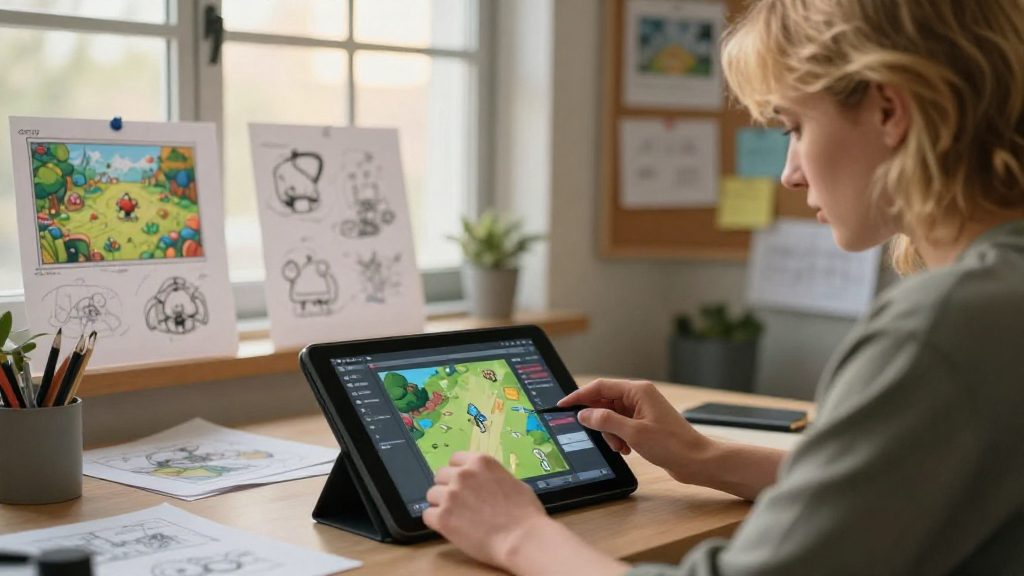
Balancing a game is crucial for enhancing player engagement and enjoyment.
In this article, we will explore how to balance a game effectively, ensuring fair and competitive play.
Why is Game Balance Important?
Balancing a game is not just about numbers and statistics; it’s about creating a harmonious experience that players can enjoy.
When a game is unbalanced:
- Players may feel frustrated.
- Experience a lack of motivation.
- Might abandon the game altogether.
A well-balanced game, on the other hand, can:
- Promote fairness.
- Enhance competitiveness.
- Increase player satisfaction.
Let’s delve deeper into how to balance a game and the various strategies involved.
How Can You Identify Imbalance?
Identifying balance issues is the first step in how to balance a game.
Here are some methods to spot these problems:
-
Player Feedback
– Regularly solicit feedback from your player base.
– Use surveys, forums, and social media to gather insights. -
Statistical Analysis
– Monitor gameplay data for trends.
– Look for patterns that indicate which characters or strategies dominate. -
Playtesting
– Conduct extensive playtesting with diverse player groups.
– Assess different skill levels and playstyles to discover uneven experiences. -
Professional Review
– Engage industry experts to critique your game.
– They can offer unbiased insights into balance issues you might miss.
What Are the Key Elements of Game Balance?
How to balance a game involves several core components:
-
Character Balance
– Ensure characters possess unique abilities without any one character being excessively powerful.
– Aim for a level where mastery of skill plays a pivotal role over sheer strength. -
Weapon and Equipment Distribution
– Equip players with equally attractive tools for gameplay.
– Ensure no single weapon becomes the “best choice” across all scenarios. -
Resource Management
– Balance resource acquisition and consumption.
– Players must manage resources wisely to avoid running into situations where they can’t compete. -
Scoring Systems
– Develop scoring systems that reward both skill and strategy.
– Create multipliers or bonuses that encourage different styles of play. -
Matchmaking
– Implement effective matchmaking algorithms to pair players based on skill levels.
– This can dramatically enhance overall enjoyment and reduce frustration.
How Can You Use Feedback for Balance?
Utilizing feedback is critical in your pursuit of how to balance a game.
Here’s how to implement feedback effectively:
-
Listening:
Actively pay attention to player suggestions and criticisms.
This fosters a community where players feel valued and heard. -
Analyzing Data:
Combine qualitative feedback with quantitative data.
Look at usage rates on different weapons, characters, or strategies. -
Testing Changes:
Before implementing major changes, roll them out in a limited capacity to gauge reactions.
Use A/B testing to compare different balance approaches. -
Iterative Improvements:
Continuously iterate on the feedback received.
Balance is not a one-time event; it requires ongoing adjustments.
What Metrics Should You Monitor?
To successfully balance a game, you need to keep an eye on various metrics:
-
Win Rates
– Track win rates across different characters and strategies.
– Large discrepancies may indicate balance issues. -
Player Retention
– Monitor how many players continue to play after certain updates.
– A drop in retention could signal problems with balance changes. -
Session Length
– Keep tabs on how long players engage with your game.
– Shorter sessions could indicate player frustration with imbalance. -
Match Outcomes
– Analyze the distribution of match outcomes.
– Uneven distributions can mean particular elements are overpowered.
What Tools Can Help in Balancing?
Understanding how to balance a game also involves leveraging the right tools:
-
Analytics Software:
Use tools like Google Analytics or custom dashboards to gather gameplay data. -
Community Platforms:
Platforms such as Discord or Reddit can be useful for direct player interaction and feedback collection. -
Game Design Software:
Tools like Unity or Unreal Engine come with built-in analytics and tracking features to monitor gameplay metrics. -
Spreadsheets:
Utilize spreadsheets for quick calculations and comparisons of balance statistics.
How Should a Developer Approach Game Updates?
Updating a game for balance is different from routine updates.
Here’s a methodical approach to take:
-
Schedule Regular Balance Reviews
– Implement a schedule for frequent balancing checks (e.g., bi-weekly or monthly).
– This ensures continuous attention to any emerging issues. -
Document Changes
– Keep a comprehensive log of balance changes made and the rationale behind them.
– Transparency helps the community understand the evolution of the game. -
Educate Players
– Create material explaining balance changes and their intended impact.
– Educating your audience fosters a greater appreciation for balance efforts. -
Be Open to Re-evaluation
– After introducing changes, be prepared to revert or adjust if necessary.
– Listen actively to player feedback post-update to gauge how the changes have been received.
How to Foster a Community Around Balance?
Developing a community centered on game balance is beneficial for long-term success:
-
Create Forums for Discussion:
Encourage players to discuss balance openly.
Ensure moderators assist in keeping the conversation constructive. -
Host Events:
Organize tournaments or balance-focused events to engage the community and collect data on player interactions. -
Reward Contributions:
Acknowledge players who provide valuable feedback or participate in testing.
This can foster a sense of ownership among your community members.
Conclusion
In summary, learning how to balance a game is a multifaceted endeavor that entails careful consideration of numerous elements.
From identifying imbalance through player feedback and metrics to applying strategic updates based on community input, successful game balancing is a continuous journey.
By prioritizing balance, you can significantly enhance the enjoyment and engagement of your players, leading to a thriving and dynamic gaming community.
Remember, the ultimate goal is to create a fun, fair, and engaging experience for all players!
