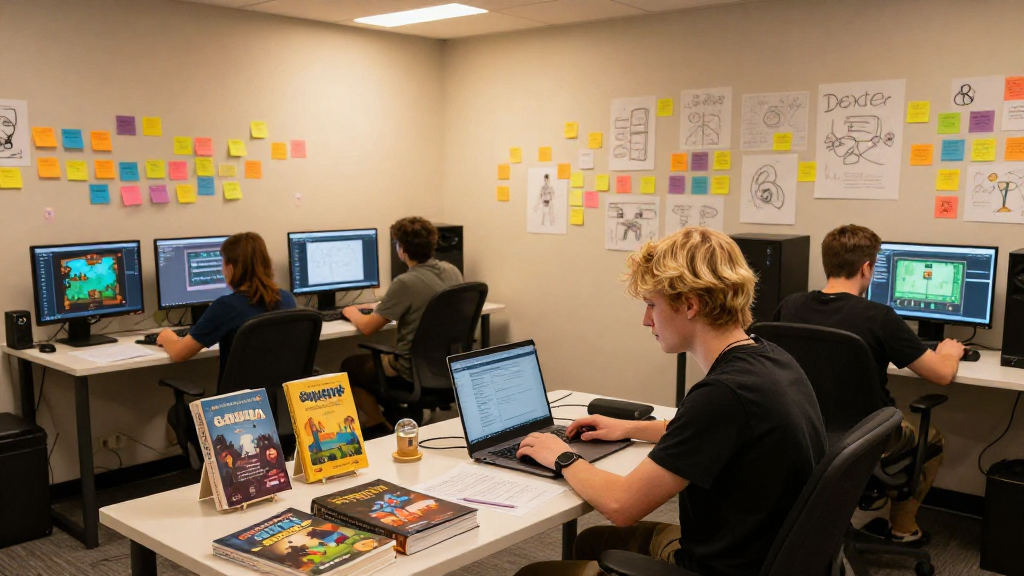
Are you eager to create video games but unsure how to join a game jam?
In this article, we’ll explore what game jams are, how to find one, the steps to join as a beginner, and tips for making the most out of your experience.
What is a Game Jam?
A game jam is a collaborative event where developers, designers, artists, and enthusiasts come together to create games in a very short period, usually within 24 to 72 hours.
These events serve as a platform for creativity and innovation.
Participants can work individually or form teams, and the end result is often a prototype game created under a specific theme or set of rules.
Why Should You Join a Game Jam?
Wondering why you should learn how to join a game jam?
Here are some compelling reasons:
-
Skill Development:
You’ll gain practical experience across various disciplines, from coding to design, honing your skills in a short time. -
Networking Opportunities:
Game jams are excellent for meeting industry professionals and fellow aspiring developers. -
Portfolio Building:
The projects you create can serve as valuable additions to your portfolio. -
Community Engagement:
You’ll join a vibrant community of like-minded individuals who share your passion for gaming. -
Creative Freedom:
Game jams encourage experimentation, allowing you to push your creative boundaries.
How to Find a Game Jam?
Where can you discover game jams to participate in?
There are several platforms and resources available:
- Online Platforms: Websites like itch.io and Game Jolt regularly list upcoming jams.
- Social Media: Follow hashtags like #GameJam on Twitter and Instagram, where many participants share information about current events.
- Forums and Communities: Sites like Reddit have dedicated subreddits (like r/gamedev) where you can find announcements for game jams.
- Local Game Development Groups: Check out meetups or game development groups in your area.
How to Join a Game Jam as a Beginner?
Ready to learn how to join a game jam? Here’s a step-by-step guide:
Step 1: Choose Your Game Jam
Decide on a game jam that resonates with you. Consider a few crucial factors:
- Theme: Different jam themes can inspire creativity.
- Duration: Some jams last a weekend, while others might extend over a week. Choose one that fits your schedule.
- Format: Online game jams allow you to join from anywhere, while in-person jams offer face-to-face collaboration.
Step 2: Review the Rules
Each game jam will come with its own set of rules.
Familiarize yourself with the following:
- Time Limit: Understand the timeframe and plan your development accordingly.
- Submission Guidelines: Check for rules regarding assets you can or cannot use.
- Collaboration Rules: Some jams are team-focused while others encourage solo development.
Step 3: Gather Your Tools
Prepare your tools before you start.
Essentials may include:
- Game Engine: Familiarize yourself with engines like Unity, Unreal Engine, or Godot.
- Programming Languages: Learn the basics of C#, C++, or GDScript.
- Art Packages: Software like Photoshop, GIMP, or Aseprite can help for graphics.
- Sound Tools: Consider Audacity for audio editing, or find royalty-free sounds online.
Step 4: Form a Team or Go Solo
Decide whether to work alone or collaborate with others.
If teaming up:
- Find members who complement your skills.
- Set clear roles for each team member: Programmer, Artist, Designer, etc.
Step 5: Brainstorm Ideas
Once the jam starts, collaborate with your team or think about your own concepts.
Consider these tips for brainstorming:
- Start with the Theme: Ensure your idea fits the jam’s theme.
- Keep It Simple: Focus on a minimal viable product (MVP) that can be developed in the given timeframe.
- Sketch It Out: Visual brainstorming can help solidify ideas.
Step 6: Create Your Game
This is the exhilarating part!
Start developing your game:
- Prototype Quickly: Create a basic version of your game to test mechanics.
- Iterate: Don’t hesitate to make changes based on playtesting early on.
- Focus on Playability: Ensure your game is enjoyable within the time constraints.
Step 7: Polish and Submit Your Game
In the final hours of the jam, focus on polishing your game.
Things to consider:
- Graphics and Audio: Add visual and sound effects to enhance immersion.
- Bug Fixes: Playtest to identify and fix any bugs.
- Submission Compliance: Ensure your game meets all submission guidelines before finalizing.
Step 8: Share and Get Feedback
After the jam ends, share your game on social media and jam platforms.
Engage with the community for feedback:
- Twitter: Use the hashtag of the jam.
- YouTube: Create a development video or gameplay video.
- Game Forums: Showcase your game and gather insights.
What to Expect After Joining a Game Jam?
What follows after you join a game jam?
Here’s what you might experience:
- PMassive Creativity: The atmosphere is electric with creativity, inspiring you to innovate.
- Learning Opportunities: Expect to learn from your mistakes and successes.
- Community Interaction: Connect with other developers and share knowledge.
- Potential Recognition: Stand out for your innovative ideas and skills, possibly attracting job offers or collaborations.
Tips for Success at Your First Game Jam
As a beginner, consider these additional tips when figuring out how to join a game jam:
-
Manage Your Time Wisely:
Break down tasks and allocate time to avoid last-minute stress. -
Don’t Be Afraid to Ask Questions:
The community is usually very supportive; ask for help whenever needed. -
Stay Relaxed:
Although the competition can be intense, remember to have fun and enjoy the process. -
Be Open to Feedback:
Constructive criticism will help you grow as a developer. -
Document Your Journey:
Take notes or photos of your process. This can help in future jams and gives a behind-the-scenes look for your audience.
Conclusion
Learning how to join a game jam is a fantastic first step into the world of game development.
Whether you go solo or team up, these events are about creativity, collaboration, and fun.
So gear up, choose a game jam, and unleash your imagination!
Remember, this journey is about growth, experiencing new challenges, and connecting with fellow enthusiasts in the vibrant game development community.
