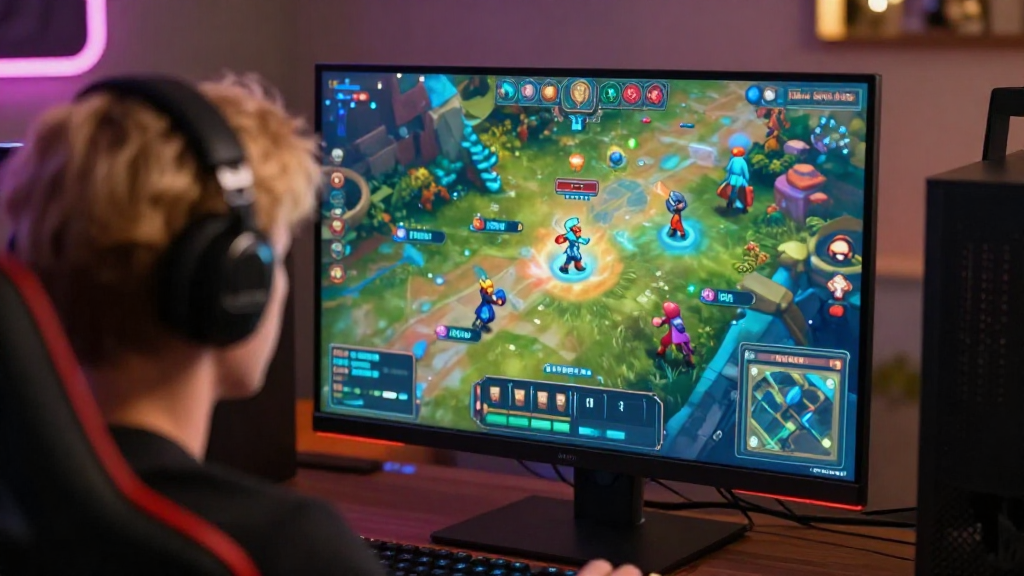
Optimizing idle games for progress can significantly enhance the experience for both developers and players.
In this article, we will explore essential strategies and best practices to help you master the art of optimization in idle games.
What Are Idle Games?
Before delving into how to optimize idle games, it’s crucial to understand what they are. Idle games, often referred to as incremental or idle clickers, are video games where players make minimal active effort to progress.
The game progresses even when the player is not actively playing, relying on systems of automation and resource accumulation.
Why Optimize Idle Games?
Optimizing idle games for progress is essential to maintain player engagement and satisfaction.
Here are a few reasons why optimization is critical:
- Player Retention: Players are less likely to return if they feel their progress is stagnant.
- Time Efficiency: Efficient mechanisms can keep players engaged without overwhelming them.
- Monetization: Well-optimized games can generate higher revenues through in-game purchases and ads.
How Can You Optimize Idle Games?
Now that we understand the importance of optimizing idle games, let’s discuss specific strategies to implement.
What Are Key Metrics to Track?
Tracking key metrics can provide insights into how players interact with your game.
Consider these important performance indicators:
- Session Length: How long players engage with your game per session.
- Active Users: Daily and monthly active users to gauge overall engagement.
- Revenue: Earnings from in-game purchases or advertisements.
Regularly monitoring these metrics allows for targeted changes that enhance gameplay.
How Can You Balance Gameplay?
Balancing gameplay is crucial in ensuring that players feel rewarded without making progression too easy.
Consider the following tips:
- Increase Complexity Gradually: Introduce new mechanics and layers of complexity as players progress to keep them engaged.
- Reward Milestones: Provide bonuses or rewards at significant milestones to maintain interest.
- Scalable Challenges: Gradually increase the difficulty of challenges to encourage players to invest more time.
What Features Boost Progression?
Incorporating specific features can greatly improve player engagement and optimization.
Here are some features to consider:
- Automation: Allow players to set up automated systems that continue to generate resources while they are away.
- Upgrades and Enhancements: Implement a variety of upgrade options to give players control over their progress.
- Prestige System: Introduce a prestige or reset mechanism that offers players unique rewards for starting over. This keeps the gameplay fresh and engaging.
How to Foster Social Interaction?
Adding social features can enhance player motivation and retention.
Think about:
- Leaderboards: Create competitive leaderboards where players can see how they stack against others.
- Co-op Elements: Allow players to work together towards common goals, which can strengthen community ties.
- Sharing Options: Implement easy sharing options for achievements on social media platforms.
What Role Does A/B Testing Play?
A/B testing is a vital technique for optimizing idle games for progress.
By testing different game mechanics and features with varying player groups, you can find what resonates best. Here’s how to do it effectively:
- Identify Variables: Choose what features or mechanics to test (e.g., different upgrade paths, rewards).
- Split the Audience: Randomly assign players to each group, ensuring a fair distribution.
- Analyze Results: Gather data to determine the most effective options based on player engagement and satisfaction.
Should You Consider Game Economics?
Understanding and designing effective game economics is crucial to the optimization of idle games.
Here are elements to consider:
- Resource Generation: Design a balanced system where resources are generated at a pace that feels rewarding yet challenging.
- Cost Scaling: Make sure the cost of upgrades naturally scales with player progression.
- Reward Structures: Craft reward structures that incentivize continuous play without creating unfair advantages.
How to Improve User Experience?
Improving the user experience (UX) plays a significant role in how players perceive and engage with your game.
Focus on these aspects:
- Intuitive Interface: Ensure that the game interface is straightforward and easy to navigate.
- Visual and Auditory Feedback: Use appealing graphics and sounds to enhance user engagement and provide feedback on actions.
- Tutorials and Guides: Implement comprehensive tutorials that inform players how to optimize their gameplay from the beginning.
What Feedback Loops Are Essential?
Creating effective feedback loops can greatly improve the excitement and enjoyment of idle games.
Here’s how to implement them:
- Immediate Rewards: Provide instant rewards for actions taken by the player, reinforcing behavior.
- Progress Indicators: Use visual cues to inform players of their progress toward various goals.
- Continual Engagement: Feature notifications that remind players to return at appropriate times for maximum engagement.
How to Adapt Based on Player Preferences?
Different players will approach idle games in various ways.
Adapt your game design to cater to a range of preferences. Consider these strategies:
- Multiple Play Styles: Allow players to choose between aggressive progression methods and more passive, laid-back approaches.
- Customization Options: Let players personalize their in-game experience, enriching their connection to the game.
- Incorporate Player Feedback: Regularly collect and respond to player feedback to make adjustments and improvements that resonate with your audience.
What Should Be the Final Steps in Optimization?
The final steps in effectively optimizing idle games revolve around constant iteration and improvement.
- Stay Updated on Trends: Keep abreast of industry trends and popular game mechanics to stay relevant.
- Regular Updates: Roll out frequent updates that introduce new features or functions to keep players engaged.
- Community Engagement: Maintain open communication with your player base, encouraging feedback and suggestions for further improvements.
Conclusion
In summary, understanding how to optimize idle games for progress can transform the way you approach game development and player engagement.
By focusing on key metrics, balancing gameplay, enhancing features, and fostering social interactions, you can create a dynamic and rewarding experience for players.
Iterating based on A/B tests and player feedback ensures your game evolves alongside player preferences, ultimately leading to strong engagement and sustained success in the idle gaming genre.
Incorporate these strategies today, and watch your idle game thrive!
