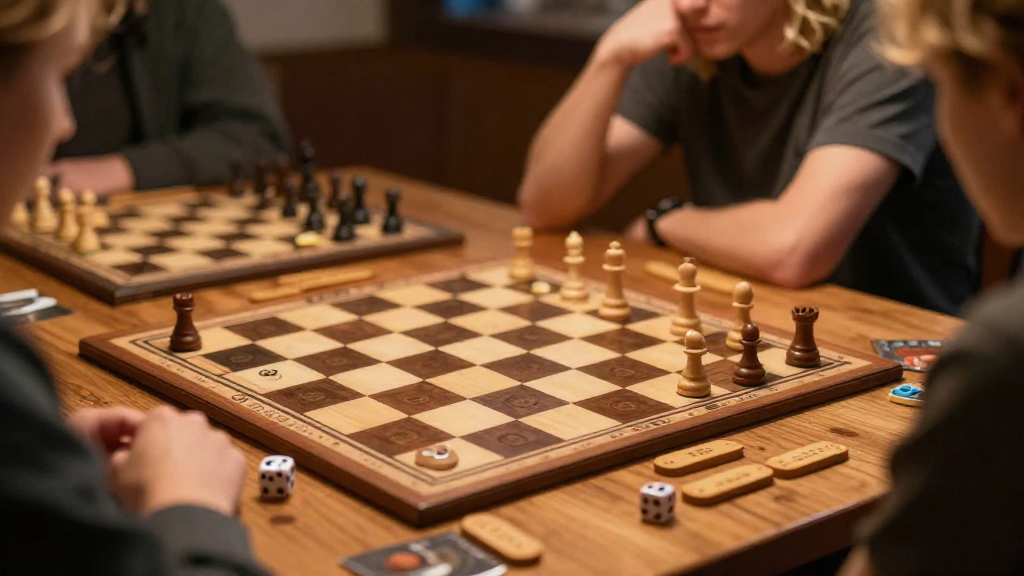
Playing turn-based games can be a rewarding and immersive experience, but mastering them requires strategic thinking and planning.
In this article, we’ll explore how to play turn-based games strategically to elevate your gameplay.
What Are Turn-Based Games?
Turn-based games are a genre where players take turns making moves or actions. These games can range from classic board games to complex video games.
Many turn-based games involve:
- Role-playing elements
- Resource management
- Tactical decision-making
Understanding the fundamental mechanics of turn-based gameplay is crucial to developing a winning strategy.
Why is Strategy Important in Turn-Based Games?
Strategy is the backbone of successful gameplay.
Here’s why having a strategy matters:
- Allows for better decision-making: When you have a plan, you make more informed choices.
- Anticipates opponent moves: Understanding your opponent’s potential moves can help you counter effectively.
- Maximizes resources: Knowing how to use your resources wisely ensures you don’t run out of essential items or actions when you need them.
By employing the right strategies, you can significantly improve your chances of winning.
How to Play Turn-Based Games: What Strategies Should You Use?
Now that we understand the importance of strategy, let’s dive into actionable tips on how to play turn-based games effectively.
1. Know Your Units or Characters
Every character or unit has unique abilities, strengths, and weaknesses.
To play strategically:
- Learn each character’s skill set: This knowledge helps you utilize their strengths during gameplay.
- Identify synergies: Combine units that enhance each other’s capabilities.
- Consider the terrain: Different units excel in various environments; know where to position them.
2. Plan Several Moves Ahead
Being able to think multiple turns ahead is crucial in turn-based games.
Consider the following:
- Anticipate your opponent’s strategy: What are they likely to do next? How can you counter it?
- Set up traps: Create scenarios that force your opponent to make poor decisions.
- Optimize your resources: Ensure you’re using your resources wisely over several turns, not just the current one.
3. Understand the Importance of the Turn Order
In many turn-based games, the order of turns can greatly influence the outcome.
Make sure to:
- Monitor initiative mechanics: Some games may allow players to manipulate turns or act more than once.
- Position key units strategically: Place powerful units in optimal positions to maximize their effectiveness.
- Consider defensive turns: Sometimes it’s better to play conservatively and prepare rather than always going on the offensive.
4. Use Deception and Bluffing
Sometimes, playing strategically in turn-based games is not just about direct competition. It involves:
- Creating uncertainty: Make moves that don’t reveal your full strategy.
- Feigning weakness: Lure opponents into a false sense of security for an effective counterattack.
- Double strategies: Have a backup plan ready to switch tactics if your initial strategy is detected.
5. Adapt Your Strategy Based on Game Progression
As the game progresses, you may need to adapt your strategy.
Keep an eye out for:
- Changing dynamics: As units are defeated, the game’s specifics may shift.
- Evolving threats: Prioritize threats as they change to ensure you’re always addressing the most dangerous moves first.
- Resource depletion: Adjust your tactics based on remaining resources to avoid running out of critical items.
What Common Mistakes Should You Avoid?
Knowing how to play turn-based games also involves being aware of pitfalls to avoid.
Here are some common mistakes:
1. Overcommitting to One Strategy
While it’s good to have a plan, sticking rigidly to one strategy can be detrimental.
- Remain flexible: Adjust based on your opponent’s actions and the current board state.
- Don’t become predictable: If you follow the same approach every time, skilled opponents will learn to counter it.
2. Neglecting the Big Picture
Focus on the overall game rather than getting too caught up in individual moves.
- Prioritize objectives: Often, victory conditions are based on broader objectives rather than just winning individual skirmishes.
- Maintain perspective: Ensure that your moves contribute to your overall game plan, even if they don’t seem immediately advantageous.
3. Ignoring Opponent Moves
Making assumptions and ignoring what your opponent is doing can come back to bite you.
- Observe carefully: Keep track of your opponent’s actions and adjust your strategy accordingly.
- Counterplay: If you see them setting up a strong position, determine how to undermine it.
Conclusion: Mastering the Art of Turn-Based Strategy
Learning how to play turn-based games strategically takes time and experience.
By understanding your units and the game dynamics, planning multiple moves ahead, and adapting as necessary, you can significantly enhance your gameplay.
Also, remember to avoid common pitfalls that can lead to strategic failure.
Ultimately, practice is key.
So dive into your favorite turn-based games, apply these strategies, and refine your skills over time!
With dedication, you’ll soon be playing with confidence and skill, dominating opponents and enjoying the immersive world of turn-based gameplay.
Ready to Get Started?
Now that you have these strategies, what will your next move be in your favorite turn-based game? Happy gaming!
