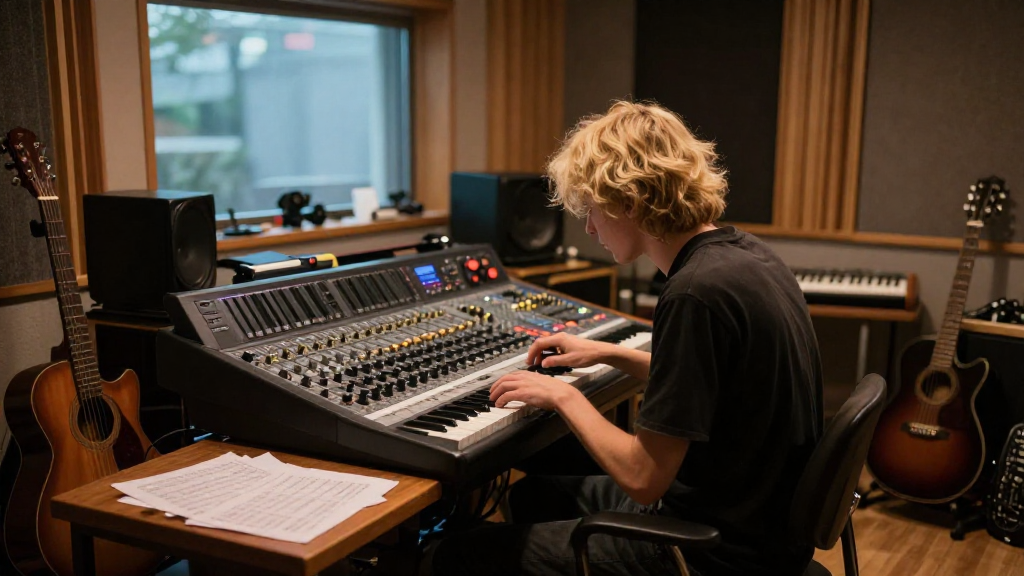
Selecting the right music can make or break the gaming experience. In this guide, we’ll explore how to choose music for a game, ensuring you create an unforgettable audio atmosphere that enhances your gameplay.
Why is Music Important in Gaming?
Music plays a crucial role in establishing the mood and narrative of a game. It can:
- Heighten emotions: Music can amplify excitement, tension, or sadness.
- Enhance immersion: A compelling soundtrack can draw players deeper into the gaming world.
- Set the pace: Different music styles dictate the energy level throughout various game segments.
Understanding these aspects is vital when learning how to choose music for a game.
What Genre Should You Consider?
The genre of music is paramount when it comes to setting the right tone.
-
Action Games: Look for orchestral, electronic, or rock music that builds intensity and keeps players on edge.
-
Adventure Games: Melodic and atmospheric pieces work well to create a sense of wonder or exploration, often falling into the ambient or folk genres.
-
Horror Games: Utilize unsettling, dissonant sounds, utilizing genres like dark ambient or industrial to induce fear and tension.
-
Casual Games: Light-hearted tunes in genres like pop or jazz can keep a friendly and inviting atmosphere.
By understanding the genre that best fits your game’s style, you can better determine how to choose music for a game.
How to Create Emotional Connections?
Emotional connection is key in gameplay. You can create this by focusing on:
-
Themes: Recurrent musical themes can resonate with players, making them feel connected to the game and its characters.
-
Dynamics: Use variations in volume and intensity to match in-game events, building anticipation or release.
-
Timing: Carefully time musical cues with in-game actions (like revealing a secret or entering a new area) to amplify emotional responses.
Fusing these elements effectively illustrates another critical aspect of how to choose music for a game.
Where to Source Your Music?
There are several places you can consider when looking for music for your game:
-
Original Compositions: Hiring a composer can provide unique and custom tracks tailored specifically for your game’s needs.
-
Royalty-Free Libraries: Websites like AudioJungle, PremiumBeat, and Free Music Archive offer tracks that you can license for your game without incurring ongoing costs.
-
Collaborative Platforms: Sites like Bandcamp allow independent artists to showcase their work, often available at various price points or even for free.
-
Community Contributions: Engaging with platforms like Reddit and Discord can lead to discovering new and emerging talent who might be interested in collaborating.
Choosing where to source your music is a crucial step in how to choose music for a game.
What Should You Keep in Mind About Licensing?
Understanding music licensing is essential to avoid legal issues.
-
Copyright: Ensure that any music you use is either original, licensed, or part of the public domain.
-
Commercial Use: Check the terms of use for each track you consider, especially if you plan to monetize your game.
-
Attribution Requirements: Some tracks may require crediting the original artist, so understand the rules before integrating them.
By planning and considering licensing carefully, you ensure that your approach to how to choose music for a game is both creative and legal.
How to Test Music with Gameplay?
Once you have selected potential tracks, testing them within your game is vital. Here’s how to go about it:
-
In-Game Trials: Implement the music within game scenes to see how it interacts with effects, dialogue, and gameplay.
-
Playtest Sessions: Invite external players to test the game. Gather feedback on how the music affects their experience.
-
Adjust Dynamically: Be open to changing music based on player actions or specific in-game events to enhance immersion.
Testing your music selections ultimately serves to refine your understanding of how to choose music for a game effectively.
What Role Does Music Play in Narrative?
Music can deeply influence storytelling in games. Focus on:
-
Setting the Context: Music can convey the time period, culture, or atmosphere. For example, you might choose instruments that reflect a fantasy world or a futuristic setting.
-
Character Themes: Creating specific musical identities for characters can add depth. Players often remember characters better when associated with unique scores.
-
Foreshadowing: Subtle changes in music can indicate plot twists or prepare the player for dark turns in the narrative.
Incorporating these elements can ensure that your exploration of how to choose music for a game involves deeper storytelling.
How to Balance Sound Effects and Music?
Understanding the relationship between sound effects and music is crucial. Here are tips to keep both in harmony:
-
Volume Levels: Ensure that background music doesn’t drown out important sound effects like footsteps, dialogue, or environmental sounds.
-
Transitions: Smoothly transition between music and sound effects to maintain immersion. For example, the music can soften as a character speaks.
-
Adaptive Soundtracks: If possible, utilize adaptive audio systems that change music based on player actions or game state.
Balancing these aspects will enhance the overall quality of your game, aligning with the subject of how to choose music for a game.
What’s Next After Music Selection?
Once you’ve finalized your musical choices, consider these steps:
-
Implementation: Integrate the chosen tracks into your game’s engine effectively, ensuring they sync with gameplay.
-
Feedback Loop: Continue to gather player feedback after the game’s launch, utilizing it to make adjustments in future updates.
-
Music Marketing: Think about how you can utilize the music in your marketing strategy. Clips of engaging tracks can attract potential players and enrich promotional content.
Establishing a holistic approach to how to choose music for a game can lead to a successful launch and lasting impact.
Conclusion
Choosing music for a game involves a fine balance of creativity, technical skill, and emotional awareness.
From understanding genre preferences to licensing, emotional connections, and the balance between sound effects and music, these best practices will guide you in making informed decisions.
By carefully considering the factors outlined in this article, you can master how to choose music for a game, ensuring your creation is not just a visual wonder but an auditory masterpiece as well.
With the right soundtrack, you can transform gameplay into an unforgettable experience that resonates with players. Get ready to compose your way to engaging musical landscapes!
