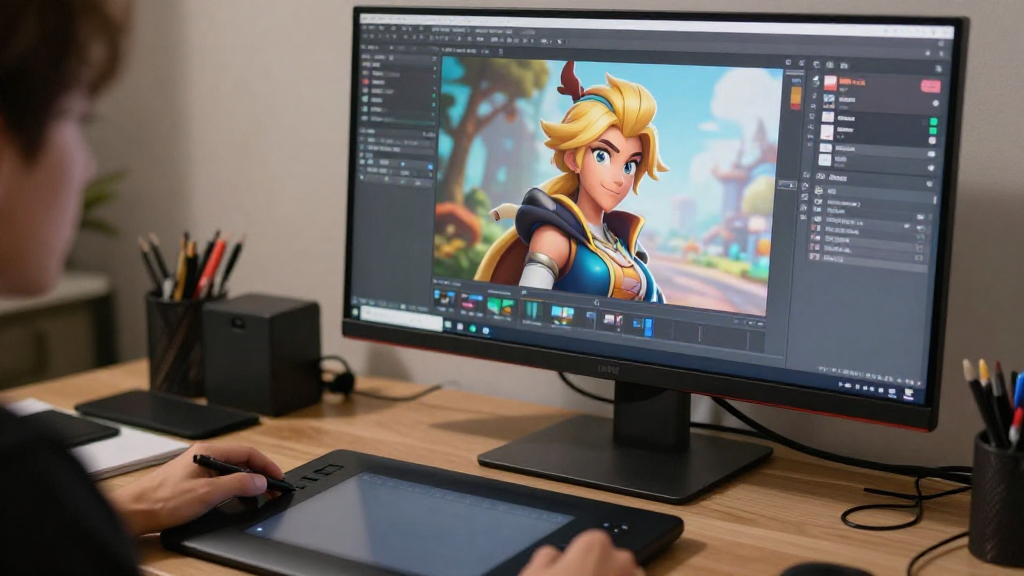
Are you eager to learn how to animate characters for games?
Animation is a vital aspect of game design that brings characters to life.
In this article, we will explore essential techniques, tools, and tips for effective character animation in games.
What is Character Animation?
Character animation involves creating movement for characters within a game.
This requires a blend of artistry and technical skill, ensuring fluidity and expressiveness.
There are two main types of character animation techniques:
- 2D Animation: Usually involves frame-by-frame drawing and manipulation of images.
- 3D Animation: Utilizes models and rigs to create more lifelike movements.
Understanding these two categories helps determine how to animate characters for games effectively.
Why is Character Animation Important?
Good character animation enhances player experience.
Here are several reasons why animation is crucial:
- Emotional Connection: Well-animated characters evoke feelings, allowing players to relate.
- Gameplay Mechanics: Smooth movements contribute to gameplay fluidity, aiding in player control.
- Narrative Depth: Animation can convey a character’s personality and story without dialogue.
In essence, learning how to animate characters for games not only improves a game’s aesthetics but also enriches its narrative.
What Tools Do You Need for Character Animation?
Before diving into animation, equipping yourself with the right tools is essential.
Here’s a list of popular software options that can help you get started:
- Adobe Animate: Perfect for 2D animation with a robust toolset.
- Blender: A powerful open-source tool great for 3D animation.
- Maya: An industry-standard software known for its flexibility and features.
- Unity and Unreal Engine: Game development platforms that also provide animation support.
By choosing the right software, you set a solid foundation for learning how to animate characters for games.
What Are the Steps to Animate Characters for Games?
Here’s a guide outlining the core steps involved in character animation:
1. Conceptualize Your Character
Start by visualizing your character.
Consider the following aspects:
- Design: Sketch your character to establish a unique appearance.
- Backstory: Create a story that informs the character’s movements and expressions.
- Personality: Think about how the character’s traits will influence their animation style.
2. Create a Model or Puppet
Once you have your concept, the next step is creating a model or puppet.
In 2D animation, this can involve drawing each pose.
For 3D animation, you’ll need to build a rig:
- Rigging: This involves creating a skeleton within your 3D model to control movements.
3. Animate with Keyframes
Both 2D and 3D animation utilize keyframes, which are essential in determining major poses:
- Set Keyframes: Identify critical moments in your character’s movement.
- In-Betweening: Fill in the frames between keyframes for smooth transitions.
Learning to effectively use keyframes significantly aids in how to animate characters for games.
4. Refine Animation with Graph Editor
Using tools like the graph editor allows you to refine your animations further.
Here, you can adjust the timing and spacing of your character’s movements:
- Timing: Ensure that movements occur at realistic intervals.
- Easing: Add acceleration and deceleration for more lifelike motions.
5. Add Details and Polish
Finally, adding the finishing touches can elevate your animation:
- Facial Expressions: Integrate emotions into your character by animating facial features.
- Secondary Actions: Consider elements like hair or clothing that naturally react to movements.
- Sound Effects: Synchronize sound with actions to enhance realism.
6. Test and Iterate
Test your animations frequently.
This is where you identify any awkward movements or inconsistencies.
Don’t hesitate to make edits until the animation feels right.
How Can You Improve Your Animation Skills?
Improving your skills in animation is an ongoing process.
Here are some tips to help you along the way:
- Study Real Life: Observe human and animal movements to understand dynamics.
- Watch Tutorials: Online platforms offer a range of animated tutorials tailored to different skill levels.
- Practice Regularly: Dedicate time to animate each day, focusing on specific skills or techniques.
- Join Communities: Engage with other animators, seeking feedback and support through platforms such as Discord or Reddit.
By committing to improvement, you can excel at how to animate characters for games.
What Are Common Mistakes to Avoid?
While learning how to animate characters for games, it’s crucial to be aware of common pitfalls:
- Ignoring Movement Principles: Forgetting the basics of animation can lead to stiffness.
- Overcomplicating: Simple animations often work best. Don’t be afraid to simplify.
- Neglecting Feedback: Avoiding constructive criticism can stunt your growth.
By remaining mindful of these mistakes, you can enhance your skills more effectively.
How Do You Incorporate Animation into a Game Engine?
Integrating your animations into a game engine is the final step.
Here’s a straightforward process to follow:
- Export Your Animation: Save your work in a format compatible with your chosen game engine.
- Import into Game Engine: Open your engine and import the animated model.
- Set Animation States: Create states to define when and how animations trigger in the game.
- Test and Adjust: Playtest your game, making adjustments as necessary for a seamless experience.
This integration process will complete your journey of learning how to animate characters for games.
Conclusion
In summary, animating characters for games is a rewarding yet intricate process.
Understanding how to animate characters for games involves grasping the fundamentals of character design, mastering key animation techniques, and refining your skills through practice and community involvement.
With dedication and the right tools, anyone can create immersive animations that draw players into your game world.
By following these guidelines, you’re well on your way to mastering the art of character animation.
Unlock your potential, and bring your characters to life!
