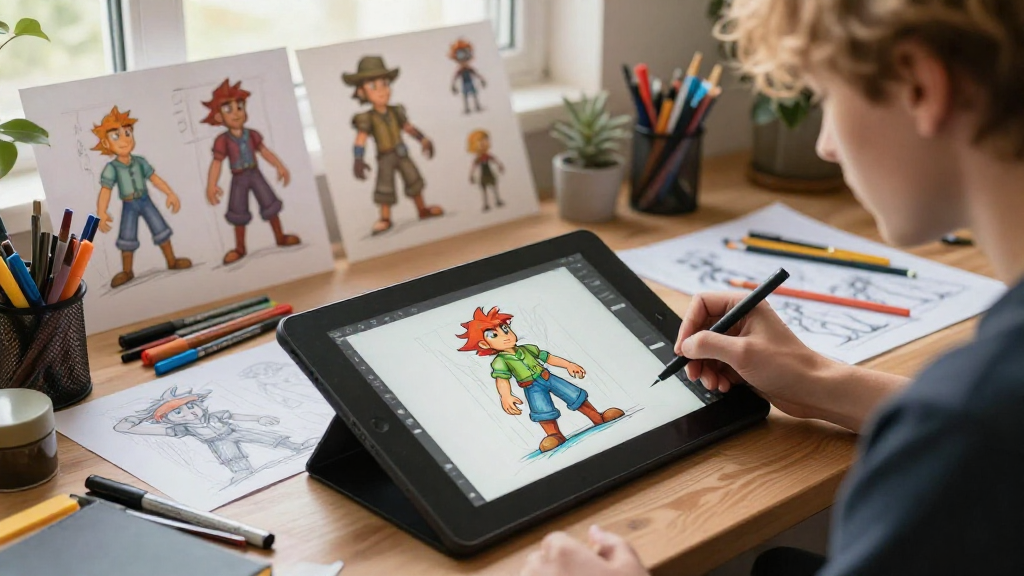
Building engaging and memorable game characters is an essential part of game design.
In this article, we’ll explore how to build game characters creatively, providing you with tools and insights to bring your characters to life.
What Makes a Great Game Character?
When considering how to build game characters, it’s vital to understand what attributes make them great.
1. Unique Backstory
- Every character should possess a compelling backstory that informs their motivations and choices.
- Consider their history, culture, and experiences that influence their behavior and interactions in the game.
2. Distinct Personality Traits
- Create characters with specific personality traits that define their actions.
- Use tools like the Myers-Briggs Type Indicator (MBTI) or the Enneagram to develop nuanced personalities.
3. Visual Design
- A unique visual appearance can make a character instantly recognizable.
- Incorporate distinguishing features, such as unique attire, hairstyles, or accessories, into their design.
How Can You Develop a Character’s Personality?
Understanding how to build game characters requires exploration into their personality traits.
1. Define Core Traits
- List 3-5 essential personality traits.
- Consider how these traits will affect their interactions with other characters and the player.
2. Use Dialogue to Reveal Character
- Create dialogue that reflects the character’s personality.
- Use specific language and phrases that match their style and background.
3. Show Growth and Change
- Characters should evolve as the story progresses.
- Consider how events in the game will challenge their beliefs and lead to personal growth.
What Role Does Visual Design Play?
Visual design is a crucial aspect of how to build game characters effectively.
1. Color Palette
- Colors can convey personality traits (e.g., red for passion, blue for calmness).
- Choose a consistent color palette that aligns with their personalities and role in the game.
2. Iconic Silhouettes
- Create a recognizable silhouette that makes the character stand out.
- Think about how their posture and form can communicate their strength or fragility.
3. Style and Fashion
- Clothing should reflect the character’s world and personal style.
- Consider various elements such as armor for warriors or chic outfits for urban settings.
How Important is a Character’s Role in the Story?
When figuring out how to build game characters, their roles in the narrative must not be overlooked.
1. Protagonists vs. Antagonists
- Differentiate between heroes and villains to create depth.
- Use contrasting character arcs to highlight their differences.
2. Supporting Characters
- Develop side characters that enhance the main story.
- Ensure each supporting character has their own motivations and conflicts.
3. Inclusion of NPCs
- Non-playable characters (NPCs) can greatly enrich the gaming experience.
- They should serve specific functions, such as quests, information, or simply as background lore.
How Can You Make Characters Relatable?
Making your characters relatable can significantly impact player engagement while exploring how to build game characters.
1. Flaws and Vulnerabilities
- Give characters relatable flaws to humanize them.
- Flaws can create empathy and connection with players.
2. Common Goals and Desires
- Characters should have goals that resonate with players, like love, revenge, or redemption.
- Position their quests against universal themes, so players can understand their journey.
3. Emotional Moments
- Include scenes that evoke strong emotions, whether joy, sadness, or excitement.
- Make sure these moments are anchored in the character’s backstory or development.
What Techniques Can Enhance Character Interactions?
Enhancement of character interactions is another critical factor to consider in how to build game characters.
1. Dynamic Relationships
- Develop relationships that evolve over time.
- Allow characters to build, damage, or repair their relationships based on player choices.
2. Signature Dialogue Quirks
- Give characters unique ways of speaking.
- This could involve catchphrases, specific tones, or even a particular rhythm in dialogue.
3. Player Choice Impact
- Let player decisions have consequences on character relationships.
- Highlight how these choices can affect the story’s outcome and character arcs.
How Does World-Building Influence Character Creation?
The world in which you create characters plays a significant role in how to build game characters successfully.
1. Cultural Context
- Different cultures can shape characters’ beliefs, traditions, and interactions.
- Research various cultures to add depth and authenticity.
2. Setting and Environment
- The environment should inform character choices and aesthetics.
- Think about how a dystopian cityscape influences a character’s style compared to a lush fantasy world.
3. Lore and History
- Establish a rich lore that can give depth to your characters.
- Characters can have ties to historical events that shape their motivations and actions.
What Resources Can Aid Character Development?
There are several resources you can explore to improve your skills in how to build game characters.
1. Books and Online Courses
- Consider reading books on character design and game narrative.
- Online platforms like Coursera or Udemy offer courses that provide valuable insights.
2. Character Design Software
- Tools like Adobe Illustrator or character design-specific software enable artists to visualize their ideas.
- Practice using templates and character creation kits to improve your skills.
3. Community Feedback
- Share your character designs and stories with communities like DeviantArt or Reddit.
- Input from others can open up new perspectives and suggestions for improvement.
Conclusion: Bringing Your Characters to Life
Understanding how to build game characters creatively involves a myriad of elements, from initial design to personality depth and emotional connectivity.
By merging these techniques with your unique vision, you can create compelling characters that resonate with players and elevate the entire narrative experience.
Remember, the most memorable game characters are those that feel real and engaging, which will, in turn, draw players into the game’s world.
Now, go ahead and start creating! Your next great character awaits!
