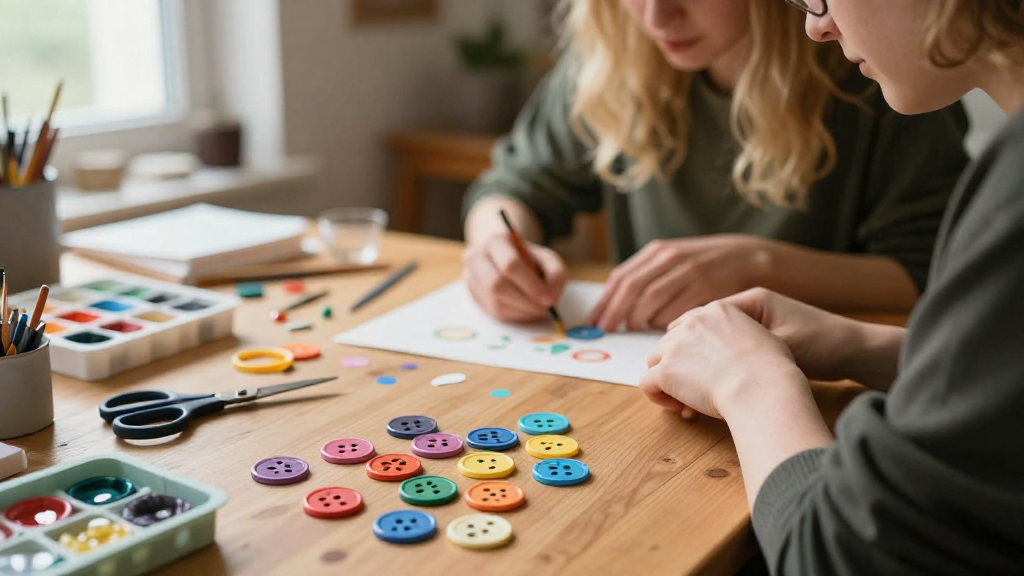
Are you curious about how to create game tokens at home?
Whether you’re designing a fun board game for family night, developing a digital game, or just looking for a unique craft project, creating game tokens is a rewarding experience. In this article, we’ll explore the materials, methods, and steps involved in crafting your personalized game tokens.
What Materials Do You Need to Create Game Tokens?
Before you start, gathering the right materials for your project is essential.
Here are some common materials you might consider for creating game tokens at home:
-
Cardstock or Thick Paper
– Great for lightweight tokens.
– Easy to print designs on. -
Wooden Discs or Blocks
– Provides a sturdy and classic feel.
– Can be painted or stained according to your design. -
Plastic Chips or Poker Chips
– Ideal for games that require a modern touch.
– Numerous colors available. -
Clay or Modeling Material
– Perfect for custom shapes and designs.
– Can be shaped into anything you envision. -
Scissors or Craft Knife
– For cutting out the tokens or designs from paper or cardstock. -
Glue or Adhesive
– Helps assemble components if you’re layering or attaching components. -
Paints or Markers
– For adding color and designs to your tokens. -
Printable Templates
– Saves time and adds professionalism to your project.
By gathering these materials, you’ll be well-prepared to create game tokens that suit your game’s theme and aesthetic.
How Do You Design Tokens for Your Game?
The design process is crucial when learning how to create game tokens.
Consider the following aspects to create attractive and functional tokens:
- Theme: What is the theme of your game?
-
For example, a fantasy game might use dragon-shaped tokens, while a space game could feature star-shaped designs.
-
Size: What dimensions will your tokens have?
-
Typical sizes range from 1 to 3 inches in diameter for tokens.
-
Shape: What shapes will your tokens take?
-
Traditional shapes include squares, circles, and hexagons.
-
Color Palette: What colors align with your game’s aesthetic?
-
Choose colors that can distinguish various game elements.
-
Typography: If your tokens have text, what font will you use?
- Ensure it’s readable and appropriate for your game’s atmosphere.
You can utilize design software like Adobe Illustrator, Canva, or even free tools like GIMP to create digital designs.
How Can You Create Game Tokens from Cardboard?
Using cardboard is one of the simplest methods for how to create game tokens at home.
Here’s a step-by-step guide:
-
Select and Cut the Cardboard
– Use a piece of cardboard or an old cereal box.
– Cut out shapes using scissors or a craft knife. -
Design Your Tokens
– Draw your designs directly on the cardboard pieces.
– Use paints or markers to add colors. -
Laminate (Optional)
– For durability, consider laminating the tokens using clear contact paper. -
Allow to Dry
– If using paint or glue, allow sufficient drying time before using the tokens.
This method is quick, cost-effective, and particularly suitable for prototype games.
Can You Create Game Tokens with 3D Printing?
Absolutely! 3D printing is a fantastic modern method for how to create game tokens.
If you have access to a 3D printer, follow these steps:
-
Design Your Token Using 3D Software
– Programs like Tinkercad or Blender are great for beginners.
– Create your token in the desired shape and size. -
Export Your Design
– Save your design in a compatible format (usually .STL or .OBJ). -
Slice the Model
– Use slicing software (such as Cura) to prepare your design for printing.
– Adjust settings like print speed and material type. -
Print Your Tokens
– Start the 3D print, ensuring your printer settings are correct.
– This process can take from minutes to hours, depending on the complexity of your design. -
Post-Processing
– Remove any supports and sand down rough edges if necessary.
– Paint or customize your printed tokens as desired.
3D printing offers a unique opportunity for creativity, providing you with precise designs personalized to your specifications.
What is the Best Way to Paint Game Tokens?
Whether you’re painting cardboard tokens or 3D printed ones, the right techniques make all the difference in your final product.
Here’s how to ensure your tokens look their best:
-
Choose Quality Paints
– Use acrylic paints for their versatility and vibrant colors.
– Spray paints are also a good option for an even coat over larger surfaces. -
Prepare the Surface
– Clean your tokens to remove any dust or debris.
– For wooden tokens, consider sanding the surface for better paint adherence. -
Choose a Painting Technique
– Brush Painting: Use fine brushes for details and larger brushes for broad strokes.
– Dipping: Quickly dip tokens into paint for a fully coated surface.
– Spray Painting: Hold the spray can about 12 inches away for coverage without drips. -
Let Them Dry
– After painting, allow sufficient drying time before handling. -
Apply a Sealant
– To protect your painted tokens from wear and tear, apply a clear varnish or sealant after the paint is dry.
Using these steps, you’ll create game tokens that are not just functional but also visually appealing.
How Do You Store Your Game Tokens?
Once you’ve crafted your game tokens, you’ll want to store them properly.
Here are some tips:
-
Use Small Containers
– Small plastic bags or boxes can help keep tokens organized.
– Label them to easily identify different token types. -
Create a Dedicated Game Box
– If you’ve designed a game, consider creating a dedicated storage solution within the game box. -
Avoid Moisture
– Keep tokens in a dry environment to prevent damage. -
Regularly Check for Wear
– Inspect your tokens for signs of wear and decide if they need to be replaced or repaired.
Conclusion
Now that you know how to create game tokens at home, it’s time to unleash your creativity!
From choosing the right materials and design methods to painting and storing your tokens, you have the tools to craft exciting game components.
Whether you’re deck-building, designing a new board game, or simply enjoying a craft project, your homemade game tokens will enhance your gaming experience.
Remember to experiment with different materials and designs!
