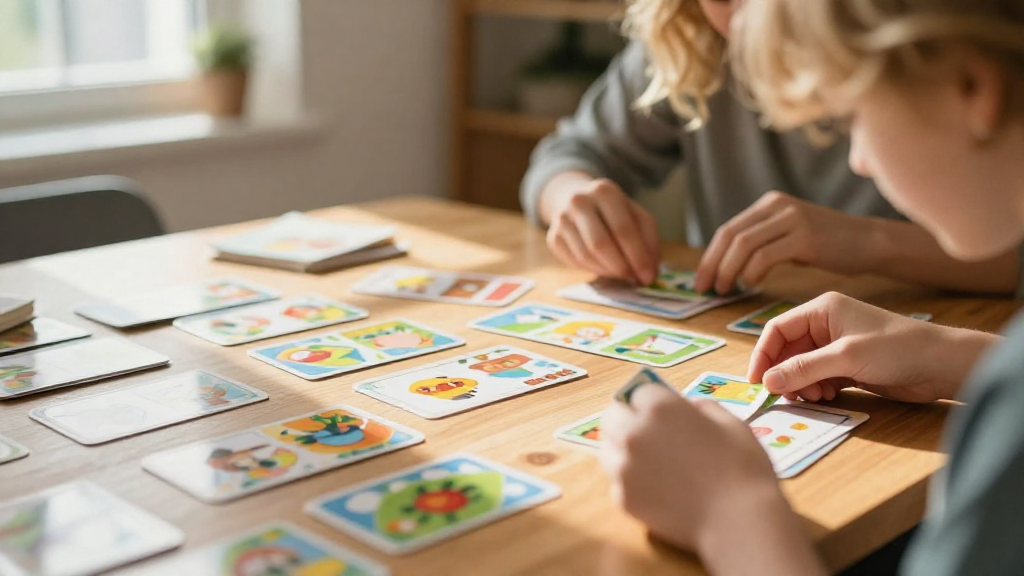
Creating engaging and educational games can be a fun way to enhance learning.
In this article, we’ll explore how to create memory games effortlessly, providing you with all the tools and tips you need.
What Are Memory Games?
Memory games are activities designed to improve cognitive skills like memory, attention, and focus.
They typically involve pairing cards or finding matches, which enhances visual recognition and cognitive skills in players of all ages.
These games can be custom-made for various themes, such as animals, letters, numbers, or even personalized images.
Why Should You Create Memory Games?
Creating your own memory games offers numerous benefits. Here are some key reasons:
- Tailored Content: You can personalize the game based on the interests and skill levels of the players.
- Educational Value: Memory games enhance cognitive abilities and can be educational, perfect for classrooms or family fun.
- Cost-effective: Crafting memory games at home saves money compared to purchasing ready-made games.
- Engagement: Homemade games can be more engaging and loved by players since they reflect shared experiences.
How Do You Get Started on Creating Memory Games?
Learning how to create memory games is easy and straightforward. Here is a simple process to help you get started:
-
Choose a Theme: Decide on a theme for your memory game.
– Animals
– Numbers
– Colors
– Shapes
– Personalized photographs -
Select Materials: Gather materials based on your chosen method for creating the game.
– Paper/Cards: For a classic card game, all you need are thick cardstock or paper.
– Digital Tools: You can use apps or software to create digital memory games. -
Design the Cards:
– If you are using paper, cut your cardstock into equal-sized rectangles.
– For digital, select a template that suits your theme. -
Create Pairs: Each card should have a pair of matching images or words.
– For example, if you choose a wildlife theme, have two cards with a lion, two with a tiger, and so on. -
Add Instructions: Include simple rules for how players can engage with the game.
Where Can You Find Inspiration?
When it comes to how to create memory games, inspiration can be found almost everywhere.
Consider:
- Educational Resources: Websites and blogs provide tons of templates and ideas for educational memory games.
- Books: Visit your local library and look for books on game creation or educational activities.
- Social Media: Platforms like Pinterest and Instagram are excellent resources for visual inspiration.
How to Print Your Memory Game?
If you choose to create a physical memory game, follow these printing tips:
- Quality Paper: Use thick cardstock to ensure durability.
- High-Resolution Images: If you create digital images, ensure they are high-resolution for clear printing.
-
Print Options:
– Use a home printer for quick turnarounds.
– For a more professional finish, consider using a local print shop. -
Lamination: If desired, laminate the cards for extra protection against wear and tear.
How to Play Memory Games?
Once you’ve created your cards, understanding the gameplay is crucial. Here are the basic rules for playing a memory game:
- Setup: Shuffle the cards and lay them face down in a grid pattern.
- Turns: Players take turns flipping over two cards at a time.
- Matching: If the cards match, the player keeps the pair and gets another turn.
If they don’t match, they flip the cards back over. - Objective: The game continues until all pairs have been matched.
The player with the most pairs wins.
Can You Customize Your Memory Game Further?
Absolutely! There are numerous ways to customize your memory games beyond the initial creation.
- Add Challenges: Handicaps for older players or timers for competitive play make the game more exciting.
- Themed Variations: Consider creating themed versions for holidays or seasons.
- Difficulty Levels: Adjust the number of pairs to suit the age and skill level of the players.
What Digital Tools Can Help You Create Memory Games?
If you prefer a digital version, many tools and applications can help you design and create memory games:
- Canva: Offers customizable templates for cards and layouts.
- Memory Game Maker: Specific software designed for creating digital memory games.
- PowerPoint: Create a digital memory game by using slides to represent cards.
- Mobile Apps: There are many apps available for both Android and iOS that let you create and play custom memory games.
How to Share Your Memory Games?
Once you’ve mastered how to create memory games, you might want to share them. Here are some ideas:
- Online platforms: Upload them to blogs or educational websites to share with a wider audience.
- Social Media: Share images and game descriptions on platforms like Facebook or Instagram.
- Family and Friends: Host game nights to showcase your creation and invite feedback.
Conclusion: Are You Ready to Create Your Own Memory Game?
Learning how to create memory games can be an enjoyable and rewarding project.
With proper planning and creativity, you can craft unique games that offer fun and educational value for everyone involved.
Remember to choose your theme wisely and engage others in the process to make it even more enjoyable.
Now that you have all the tips and ideas, what will your first memory game be about?
Get started today, and let the learning and fun begin!
