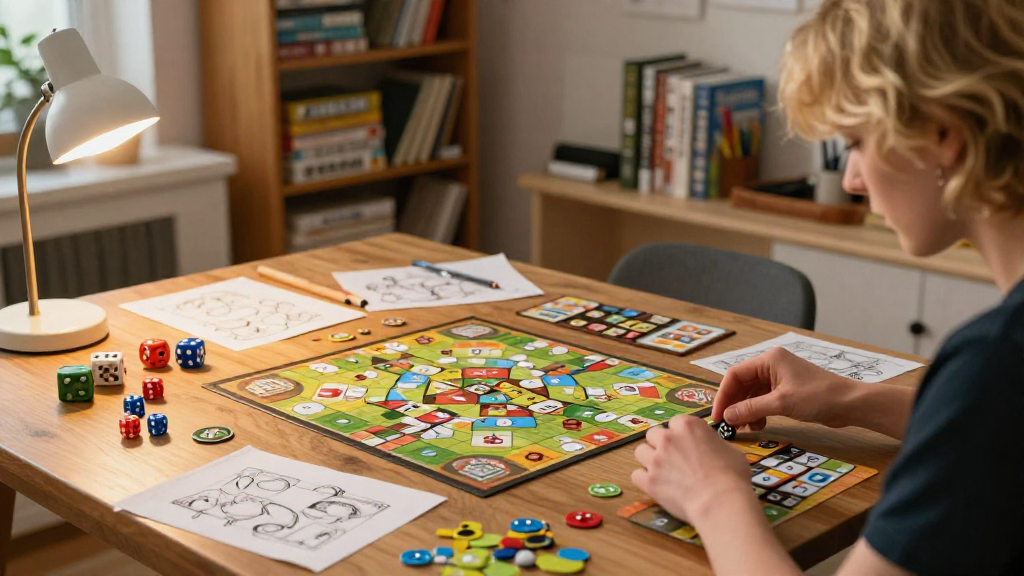
Have you ever wondered how to create your own board game?
While it may seem like a daunting task, it can actually be a fun and fulfilling endeavor.
In this article, we will break down the process into manageable steps, guiding you through the exciting journey of designing your very own board game.
What Steps Do You Need to Take?
Creating a board game involves several key steps.
Here’s a streamlined process to help you as you learn how to create your own board game:
-
Brainstorm a Concept
Start with a theme or an idea that excites you.
Consider genres like:
– Adventure
– Strategy
– Mystery
– Fantasy -
Define the Game Mechanics
Think about how players will interact with your game.
This can include:
– Movement rules
– Scoring systems
– Types of player interactions (cooperative, competitive, etc.) -
Design the Game Components
Every board game has several components, such as:
– Game board
– Cards
– Tokens or pawns
– Dice -
Create the Rules
Clear and concise rules are essential.
Outline game objectives, player turns, and win conditions.
Test your rules with friends for clarity. -
Playtest and Revise
Playtesting is crucial.
Gather feedback from players and make adjustments.
Aim for a balance of challenge and fun. -
Final Touches
Once satisfied with gameplay, design the aesthetics.
This includes:
– Artwork
– Packaging
– Game name -
Get it Published (Optional)
If you wish to take it further, consider:
– Self-publishing
– Seeking a game publisher
– Setting up a Kickstarter campaign
How Do You Brainstorm Ideas?
How to create your own board game begins with a solid idea.
Here are some tips on brainstorming:
- Mind Mapping: Write a central theme and branch out ideas.
- Inspiration: Look at existing games for concepts you can twist or innovate.
- Audience Consideration: Think about the target audience’s preferences. What age group or interests are you targeting?
What Game Mechanics Should You Consider?
Understanding game mechanics is vital for gameplay.
Here are some essential mechanics to consider when learning how to create your own board game:
- Turn-Based: Players take turns in sequence.
- Resource Management: Players collect and use resources effectively.
- Area Control: Players compete to control sections of the board.
- Cooperative Play: Players work together to achieve a shared goal.
- Elimination: Players may be eliminated from the game.
Choosing the right mechanics will affect how players experience your game.
Test different combinations to see what resonates best.
How Can You Design Game Components?
The components of your game play a crucial role in its appeal and functionality.
When figuring out how to create your own board game, consider the following components:
1. Game Board
The game board is often the heart of your game.
- Layout: Design the layout based on your mechanics and theme.
- Art: Make it visually appealing.
2. Cards
Cards can add depth and surprise to your game.
- Types: Consider action cards, event cards, or item cards.
- Illustrations: Use consistent artwork that matches your theme.
3. Tokens and Pawns
Tokens and pawns are the physical representations of players and actions.
- Design: Choose shapes and colors that fit your theme.
- Materials: Consider wood, plastic, or cardboard based on your budget.
4. Dice
If your game includes dice, decide on their function.
- Custom Dice: You might create custom dice with unique symbols.
- Standard Dice: Keep it simple with traditional six-sided dice.
5. Rulebook
The rulebook is essential for player guidance.
- Format: Outline the rules clearly.
- Examples: Include examples and illustrations for better understanding.
How Do You Write Game Rules?
The rules of your game could make or break its success.
When drafting game rules, ask yourself:
- Are they easy to understand?
- Do they provide clear objectives?
- Are there different strategies for players to explore?
Tips for Writing Clear Rules:
- Be Concise: Keep sentences short and to the point.
- Use Bullet Points: Make use of lists for easy reading.
- Include Diagrams: Visual aids can clarify complex rules.
How Important Is Playtesting?
Playtesting is a fundamental aspect of learning how to create your own board game.
It allows you to see how real players interact with your game.
Steps for Effective Playtesting:
- Test Early and Often: Start playtesting with the first draft of your game.
- Gather Feedback: Ask players what they liked and didn’t like.
- Observe: Watch how players navigate the game and take notes on confusion points.
- Iterate: Revise your rules and components based on feedback.
Being willing to adapt and change is crucial for success.
What Are the Final Touches?
Once you feel confident in your design, it’s time for the final touches.
Here’s what you should consider:
- Visual Design: Hire an artist or use graphic design software.
- Game Title: Make sure it reflects the theme and is memorable.
- Game Box and Packaging: Invest time in the packaging as it is the first impression.
How to Get Your Game Published?
If your game is ready for the world, consider publishing.
Here are your options for publication once you know how to create your own board game:
- Self-Publishing: Use platforms like The Game Crafter to print and sell your game.
- Find a Publisher: Submit your game proposal to established board game publishers.
- Crowdfunding: Platforms like Kickstarter allow you to gauge interest and generate funds.
Tips for Marketing Your Game:
- Create a Website: Showcase your game and its features.
- Utilize Social Media: Engage with potential players and build excitement.
- Attend Board Game Conventions: Showcase your game to a larger audience.
Conclusion
Learning how to create your own board game can be an incredibly rewarding experience, allowing you to unleash your creativity and connect with fellow gamers.
From brainstorming your initial idea to navigating the publication of your game, every step is an opportunity for growth and enjoyment.
So pull out your sketches and materials, and begin your journey in the world of board game design.
Who knows? Your game might just become the next favorite amongst board game enthusiasts!
