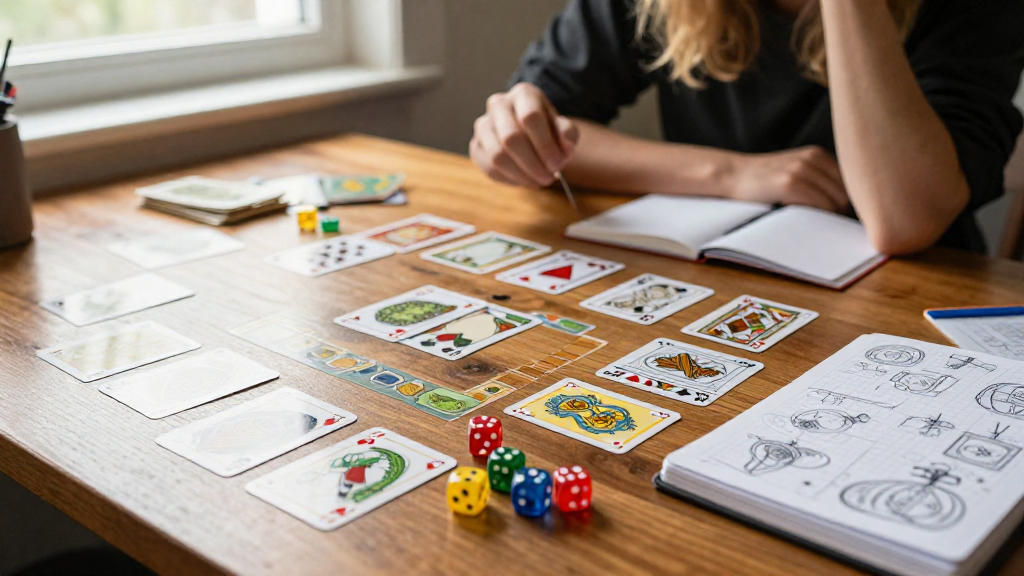
Designing card game mechanics can be both an exciting and intricate process.
Understanding how to design card game mechanics involves combining creativity with a strong knowledge of game theory and player engagement.
In this article, we will explore the key components of effective card game mechanics, consider various game types, and provide tips to help you create a captivating and balanced experience.
What Are Card Game Mechanics?
Card game mechanics are the fundamental rules and systems that govern gameplay in card games.
These mechanics dictate how players interact with the game and each other through the use of cards.
Some important aspects of mechanics include:
- Card Types: Different roles that cards play (e.g., action cards, resource cards)
- Game Phases: The various stages of gameplay (e.g., draw, play, discard)
- Win Conditions: How players achieve victory
- Player Interaction: How players affect one another (e.g., cooperative, competitive)
Knowing the core components of card game mechanics is essential to craft an engaging experience.
Why Are Mechanics Important?
Understanding how to design card game mechanics is crucial for several reasons:
-
Gameplay Flow: Good mechanics ensure a seamless flow from one player turn to another, maintaining player engagement.
-
Strategic Depth: Well-structured mechanics allow players to develop strategies, leading to a rewarding gaming experience.
-
Balancing the Game: Mechanics can help keep gameplay fair and balanced, making it enjoyable for both novice and experienced players.
How Can You Create Unique Mechanics?
Creating unique mechanics is about innovation and creativity. Here are steps to consider:
- Research Existing Games: Analyze popular card games to identify what works and what doesn’t.
- Incorporate Themes: Find a theme that resonates with players. Whether it’s fantasy, horror, or science fiction, your theme can influence gameplay.
- Brainstorm Ideas: Write down all possible mechanics that come to mind.
- Combine Elements: Don’t be afraid to blend mechanics from different games to create something fresh.
What Types of Mechanics Are Commonly Used?
Various types of mechanics can be used to enhance your card game. Here are some common ones to get you started:
- Drafting: Players select cards from a shared pool to build their decks.
- Deck Building: Players construct their decks as the game progresses.
- Action Points: Players have a limited number of actions they can take on their turn.
- Resource Management: Players manage resources to play cards, requiring strategic thinking.
Incorporating a mix of these mechanics can lead to more dynamic gameplay.
How Do You Ensure Game Balance?
A crucial part of how to design card game mechanics involves balancing gameplay. Here are some tips to achieve that:
- Playtesting: Consistently test your game to identify issues and strengths.
- Adjust Numbers: Tweak stats and costs of cards based on feedback.
- Player Feedback: Use surveys or direct conversations with players to refine mechanics.
- Keep it Simple: Avoid overly complicated mechanics that could confuse players.
Balancing your game ensures all players have a fair chance to win, keeping them invested and entertained.
How Can You Encourage Player Interaction?
Encouraging player interaction can prevent games from becoming repetitive or stale. Here’s how to incorporate gentle competition or cooperation:
- Direct Conflict: Design mechanics that allow players to affect each other directly, like stealing cards or blocking actions.
- Shared Goals: Create scenarios where players have common objectives, promoting teamwork.
- Reward Outcomes: Implement rewards for players who interact with each other effectively.
Through these strategies, you can foster a more engaging environment.
What Role Does Theme Play in Card Game Mechanics?
The theme of your card game plays a significant role in how to design card game mechanics. Here’s how a strong theme can enhance mechanics:
- Immersion: A captivating theme can draw players in, making them feel connected to the game.
- Inspiration for Mechanics: Themes often dictate the type of mechanics you’ll create.
- Consistency: Ensure that your mechanics align with the theme to maintain players’ immersion.
When the theme and mechanics sync well, players enjoy a richer gameplay experience.
What Are Some Examples of Innovative Mechanics?
To see how diverse mechanics can be, let’s take a look at some innovative examples from existing card games:
-
Magic: The Gathering: Introduced mana resources that require players to think strategically about resource management.
-
Dominion: Revolutionized “deck-building” mechanics that allow players to construct their decks during the game.
-
Gloom: Used transparent cards to create a unique gameplay experience, altering the way players perceive and play their cards.
These examples demonstrate how innovation can breathe fresh air into card game mechanics.
How Do You Create a Comprehensive Game Manual?
A well-structured game manual is vital for player understanding. Here’s how to create one that outlines how to design card game mechanics effectively:
-
Introduction to Theme: Start with an engaging overview that sets the stage for your game.
-
Detailed Rules: Clearly outline each mechanic and how it interacts with others.
-
Examples: Provide scenarios that show mechanics in action.
-
Visual Aids: Use diagrams or illustrations to help clarify complicated aspects.
A comprehensive game manual can significantly improve the player experience and facilitate better understanding of your game mechanics.
Conclusion: Bringing It All Together
In conclusion, understanding how to design card game mechanics involves a lot of variables.
From researching existing games to ensuring balance and player interaction, the process can be daunting, but it is also rewarding.
Utilizing effective mechanics combined with an engaging theme and clear rules can lead to an unforgettable gaming experience.
Take your time during development, iterate based on feedback, and remember to keep your players front and center.
By following these guidelines, you’ll be well on your way to creating a compelling card game that keeps players coming back for more.
