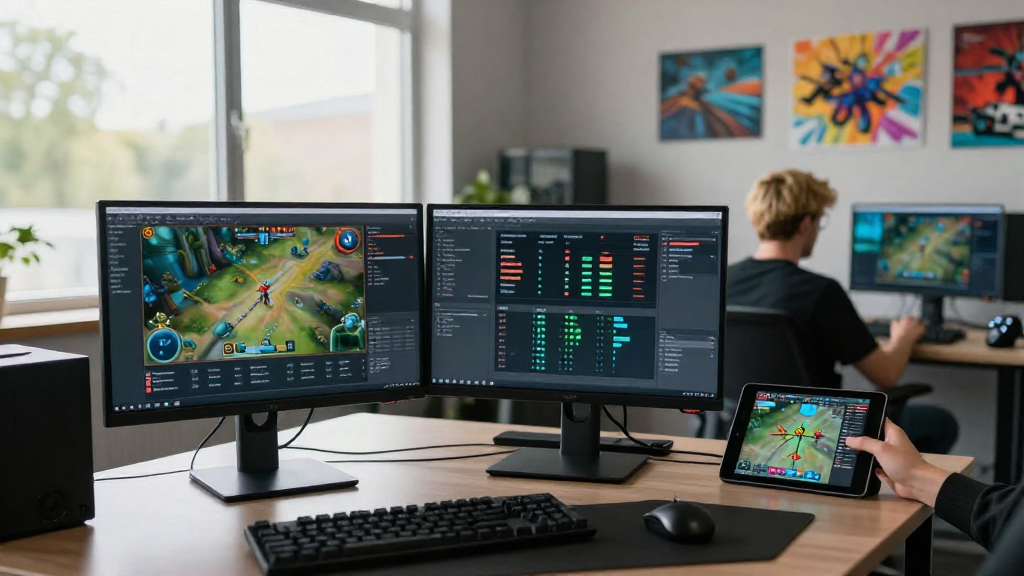
Game developers know that ensuring a fair and enjoyable experience for players is crucial.
One of the most effective ways to achieve this is through game balance testing.
In this article, we will explore how to do game balance testing, including its importance, methods, and best practices to ensure your game remains engaging and fun.
What Is Game Balance Testing?
Game balance testing is a critical phase in the development process where the mechanics, rules, and elements of a game are evaluated to ensure fairness and competitiveness.
It involves analyzing various aspects, such as:
- Character or unit strengths and weaknesses
- Gameplay mechanics
- Resource distribution
- Winning conditions
The primary goal is to create an engaging experience that challenges players without feeling frustrating or unfair.
Why Is Game Balance Testing Important?
Understanding how to do game balance testing is essential for multiple reasons:
-
Enhances Player Experience:
Balanced gameplay leads to a more enjoyable experience, encouraging players to keep engaging with your game. -
Extends Longevity:
A well-balanced game retains players over time, as they often feel a sense of achievement and fairness. -
Prevents Frustration:
A lack of balance can cause frustration and lead to negative reviews, which can drastically affect your game’s success. -
Encourages Competitive Play:
For multiplayer or competitive games, balance is crucial to maintain fair play, ensuring that skill rather than luck determines the winner.
How to Do Game Balance Testing: What Methods Can Be Used?
There are several approaches to effectively balance your game. Here’s a breakdown of common methods for how to do game balance testing:
1. Playtesting
Playtesting involves gathering a group of players—this can be friends, colleagues, or even paid testers—to play your game.
During playtests, observe player behavior, collect feedback, and note any imbalances.
Tips for effective playtesting:
- Diverse Player Base: Use individuals with varying skill levels.
- Focused Testing Sessions: Clearly define aspects of the game to evaluate during each session.
- Feedback Collection: Use surveys or interviews post-play to gather player opinions.
2. Data Analysis
If your game is online or has analytical tools built-in, you can collect data on player performance:
- Win Rates: Calculate win rates for different characters/teams or strategies.
- Usage Rates: Examine how frequently certain characters or strategies are used, indicating if something is over- or under-powered.
Analyzing this data will help you identify which components of your game require adjustments.
3. A/B Testing
A/B testing involves two variations of the same game component:
- Version A: Original state.
- Version B: Modified state.
By comparing player performance and feedback across both versions, you can ascertain which state provides a more balanced experience.
4. Expert Reviews
Consulting with experienced game designers or competitive players can provide insights into game balance:
- Balance Experts: Engage professionals familiar with game mechanics.
- Competitive Players: These individuals often have a deep understanding of balance and can provide specialized feedback.
What Factors Should You Consider During Game Balance Testing?
When performing how to do game balance testing, consider the following factors:
1. Character or Unit Attributes
Analyze character stats, abilities, and roles.
Adjust any overpowered attributes that may overshadow others, causing a lack of diversity.
2. Level Design and Environment
The design of levels can significantly affect balance.
Evaluate whether certain areas favor specific strategies or characters, leading to unfair advantages.
3. Game Mechanics
Investigate how game mechanics interact with each other.
Ensure that no single mechanics allow players to exploit systems easily, generating an uneven playing field.
4. Resource Allocation
The distribution of resources, like health packs or currency, should be fair.
Ensure players have equal opportunities to gather and utilize resources throughout the game session.
5. Player Feedback
Continuously gather player feedback throughout the testing process.
This real-line insight can guide necessary tweaks to ensure balance remains intact.
How Can You Measure Game Balance?
When you know how to do game balance testing, you need to have effective measurement tools in place:
-
Surveys: Gather player perceptions of balance via standardized surveys focusing on fairness and enjoyment.
-
Win/Loss Ratios: Track the performance of characters or teams statistically to determine if adjustments are necessary.
-
Session Length: Analyze how long players remain engaged. Longer sessions may imply engagement, while shorter ones may indicate imbalance or frustration.
When Should You Conduct Game Balance Testing?
Game balance testing should be an ongoing process, but certain stages in the development cycle are critical:
-
Post-Alpha Testing:
Once you have a functional build, evaluation is essential before moving to the beta phase. -
Between Major Updates:
New characters, maps, or game mechanics may require re-assessment of balance. -
After Community Feedback:
Following player feedback from live player bases is essential to recognize emerging balance issues.
What Are Common Pitfalls to Avoid?
While learning how to do game balance testing, be wary of these pitfalls:
-
Ignoring Player Feedback: Never dismiss player criticism—often, they indicate genuine balance issues.
-
Over-adjusting: Altering too many elements at once can create new imbalances. Focus on one area at a time.
-
Poor Playtester Selection: Ensure your testers represent your player base. Variety provides richer insights.
In Conclusion
Understanding how to do game balance testing is vital to creating a game that players will love and continue to play.
By focusing on methods like playtesting, data analysis, and expert reviews while considering key factors, you can significantly improve the fairness and enjoyment of your game.
Regularly measuring the balance and avoiding common pitfalls will ensure your game remains appealing in the long run.
By prioritizing game balance testing, you not only enhance the player experience but also pave the way for your game’s lasting success in a competitive market.
