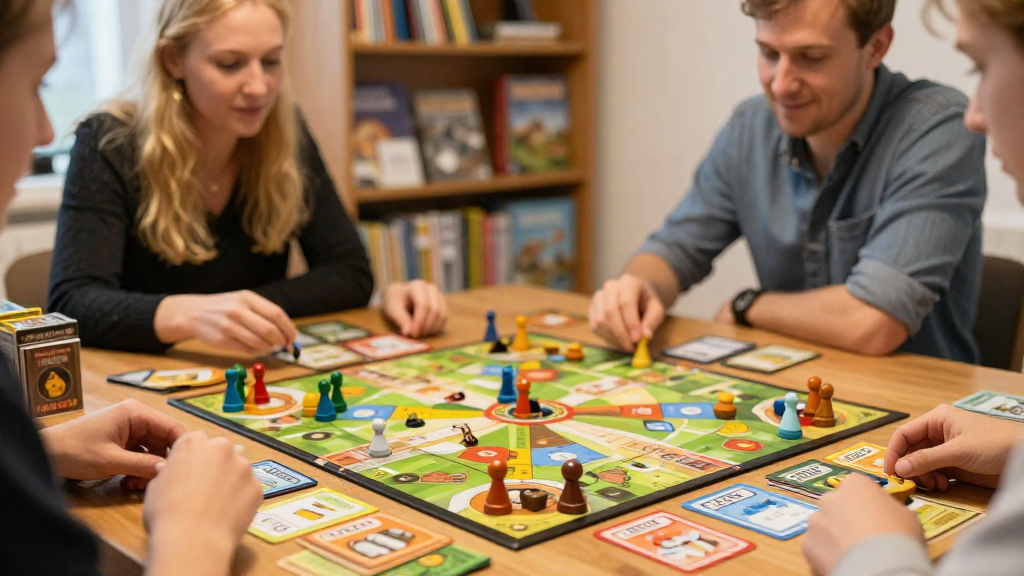
Explaining Euro games to new players can seem daunting, but with the right approach, it can be an enjoyable experience for everyone involved.
What Are Euro Games?
Before diving into how to explain Euro games, it’s essential to understand what they are.
Euro games, also known as German-style board games, focus on strategy and resource management rather than direct conflict.
Some key characteristics include:
- Player Interaction: Often indirect, highlighting strategic decision-making.
- Theme and Mechanics: Emphasis on economics, building, and resource allocation.
- Winning Conditions: Usually focus on points rather than eliminating opponents.
Once you understand the basics, explaining Euro games becomes much easier.
How to Introduce Euro Games to New Players?
When teaching new players about Euro games, consider the following steps to make the process smooth and engaging.
1. Start with a Simple Game
To illustrate how to explain Euro games effectively, begin with a straightforward title such as Carcassonne or Ticket to Ride.
These games introduce fundamental concepts that are prevalent in many Euro games.
Starting with something simple prevents overwhelming new players and allows them to grasp the basic mechanics.
2. Outline Key Concepts Before Playing
Before jumping into the gameplay, summarize essential terms and mechanics.
Key concepts to cover include:
- Turn Structure: Explain how a turn works in a Euro game.
- Resource Management: Describe how players collect and spend resources.
- Victory Points: Discuss how they are earned and the importance of managing long-term strategies.
This foundation will help new players understand what to expect during the game.
3. Use Analogies and Examples
When explaining Euro games, analogies can help connect new players to familiar concepts.
For example:
- Explain resource management by comparing it to managing a household budget.
- Use the idea of building a city to discuss strategy in games like Splendor or Catan.
These connections can make the mechanics feel less foreign and more relatable.
What Are the Common Pitfalls When Explaining Euro Games?
There are often common pitfalls that can occur when explaining Euro games to new players.
Avoiding these will improve the overall experience:
1. Overloading with Information
While it may be tempting to delve into every rule and nuance, it can be overwhelming for newcomers.
Instead:
- Focus on key mechanics.
- Break down each phase of the game gradually.
2. Assuming Prior Knowledge
Remember that your audience may have little to no experience with board games.
Avoid assumptions about their knowledge of terms or strategies.
- Always explain jargon and terminology clearly.
- Be patient and ready to clarify as needed.
3. Not Demonstrating Gameplay
Demonstrating how to play can be more effective than long explanations.
This interactive approach allows players to observe before engaging themselves.
- Play through a quick round or a sample turn.
- Encourage questions during this demonstration.
How Can You Make the Explanation Fun?
To keep new players engaged, make the learning process as enjoyable as possible.
1. Encourage Participation
Involve new players throughout the explanation to foster enthusiasm.
Ask them questions about their strategies or opinions on rules.
This involvement keeps their interest alive and encourages critical thinking.
2. Play Alongside Them
Participate in the game rather than just instructing from the sidelines.
Playing with them creates a sense of camaraderie and can make the game less intimidating.
- Offer advice and support when needed.
- Celebrate small victories to boost confidence.
3. Highlight the Social Aspects
Euro games are often about more than just winning; they excel in creating memorable social moments.
Point out the importance of interaction, teamwork, and laughter.
This social element can help new players realize that the experience is as valuable as the outcome.
What Are Some Engaging Euro Games for New Players?
If you want to introduce new players to Euro games, consider these accessible titles:
- Carcassonne: A tile-laying game with simple mechanics.
- Ticket to Ride: Easy-to-learn rail building with strategic depth.
- Pandemic: Enables cooperative gameplay where players work as a team.
- Splendor: A fast-paced game focused on resource collection and card development.
These titles can serve as stepping stones for newcomers, gradually introducing them to more complex Euro games.
How to Foster Continued Interest?
Once new players experience their first Euro game, foster their continued interest:
1. Provide Recommendations
Guide them towards other Euro games they may enjoy based on their experience.
Share personal favorites or popular community suggestions.
2. Encourage Local Gaming Groups
Introduce them to local gaming clubs, online communities, or meetups.
These gatherings not only help them play more games but also connect with like-minded individuals.
3. Discuss Game Mechanics
Initiate conversations about game mechanics, strategies, and even future game nights.
Creating a dialogue can deepen their appreciation and understanding of Euro games.
Conclusion: Why Should You Take Time to Explain Euro Games?
Explaining Euro games to new players requires patience, clarity, and enthusiasm.
By starting with simple games and breaking down key concepts, you can create an enjoyable and rewarding experience for everyone involved.
Remember to be engaging, encouraging, and patient throughout the explanation.
Ultimately, sharing your passion for Euro games can lead to a thriving gaming community, where newcomers become lifelong enthusiasts.
So, whether you’re playing with friends or introducing new players to the world of board gaming, remember how to explain Euro games effectively to make the experience memorable for all!
