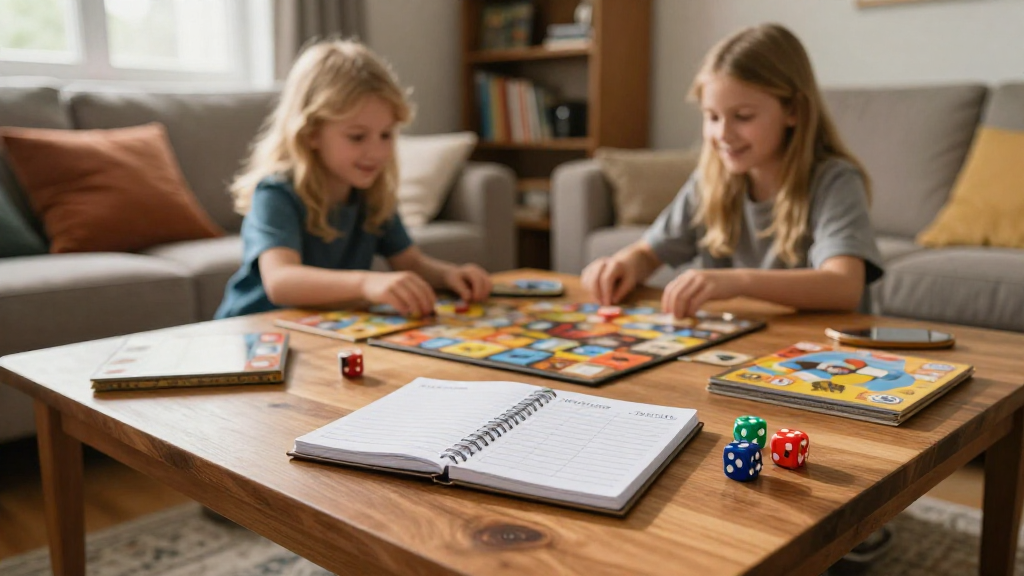
Keeping track of points can sometimes feel like a daunting task when playing your favorite board games.
But fear not! In this article, we will explore how to keep score in board games easily, ensuring you maintain the fun without any unnecessary distractions.
Why Is Keeping Score Important?
Keeping score in board games is essential for several reasons:
- Maintains Fair Play: Accurate scoring ensures that all players compete on equal footing.
- Enhances Game Experience: It allows players to strategize based on the score throughout the game.
- Provides Clarity: Avoids any confusion about who is winning or losing.
- Engages Players: It keeps everyone involved as they follow the score changes.
By knowing how to keep score in board games, you can elevate your gaming experience!
What Are the Common Methods for Keeping Score?
When it comes to how to keep score in board games, there are several common methods players can use. Here are a few effective and easy techniques:
1. Paper and Pencil
This classic method is often the most straightforward way. All you need is a piece of paper and a pencil.
To use this method:
- Assign a Scorekeeper: One player can take up this responsibility each round.
- Draw a Grid: Create a simple grid to keep track of each player’s score.
- Update Scores Regularly: Make sure to update scores after every round or at the end of each turn.
2. Score Sheets
Many board games come with printed score sheets tailored to the game.
If your game has one, it’s best to use it.
You can also create your own score sheets by using:
- A spreadsheet program
- A word processor
- Hand-drawn sheets
Score sheets help players quickly visualize scores and keep logs of past rounds. They often include sections for player names, rounds, and scoring breakdowns.
3. Mobile Apps
In the tech-savvy world we live in, using mobile apps to keep score is an efficient and modern approach.
There are several dedicated apps to help with scoring. Some popular choices include:
- Scorekeeper: Simple and user-friendly.
- Board Game Score: Specifically designed for board games.
These apps can be ideal for larger groups where updating scores manually may become challenging.
4. Using Objects or Tokens
This is a tactile method suitable for both children and adults.
You can use small objects like poker chips, coins, or even colored stones to represent scores.
To implement this method:
- Assign Value to Each Token: For example, every token can represent 1 point.
- Move Tokens: Players can take or add tokens from a shared pile as they score points.
This physical method aids in visualizing scores and keeps the game engaging.
5. Dry Erase Boards
For a fun, reusable option, consider using dry erase boards.
You can assign each player their own board to write down their scores.
This allows for:
- Easy Updates: Quickly erase and change scores without wasting paper.
- Personal Tracking: Each player has direct access to their scores for easy updates.
These boards often come in various sizes and can be very cost-effective.
How Can You Avoid Scoring Mistakes?
When learning how to keep score in board games, preventing mistakes is crucial. Here are some tips to ensure accurate scoring:
- Double-Check Regularly: Periodically validate scores with all players to avoid discrepancies.
- Use Markers: Utilize different colored markers when jotting down scores for clarity.
- Implement Consistency: Stick to the same method for every game to build familiarity.
- Incentivize the Scorekeeper Role: Offer the scorekeeper a small bonus in a game to encourage accuracy.
- Use Visual Aids: If possible, display scores in a place where everyone can see them to help keep track.
With careful attention to detail, you can minimize scoring errors and maximize the fun!
What to Do If You Lose Track of Score?
Mistakes happen, and sometimes players may realize they’ve lost track of the score.
When this occurs, consider the following steps:
- Pause the Game: Take a moment to discuss with all players.
- Reconstruct the Score: Ask everyone to recall their last scoring updates.
- Settle on a Consensus: Agree on a score that feels fair and reflects the progression of the game.
- Reset for Future Rounds: If the information is too ambiguous, start fresh with a new score.
Maintaining mutual respect and fairness is key.
Conclusion: A Simple Guide to Keeping Score in Board Games
Learning how to keep score in board games doesn’t have to be complicated or stressful.
By utilizing one or more of the methods we’ve outlined,
You can keep gameplay fluid and enjoyable. Always remember the importance of clear communication and regular score checks to enhance your gaming experience further.
Whether using simple paper and pencil or modern mobile apps, the important thing is to maintain a fun and competitive atmosphere.
So gather your friends and family, choose a method, and enjoy countless hours of board gaming—scorekeeping made easy!
