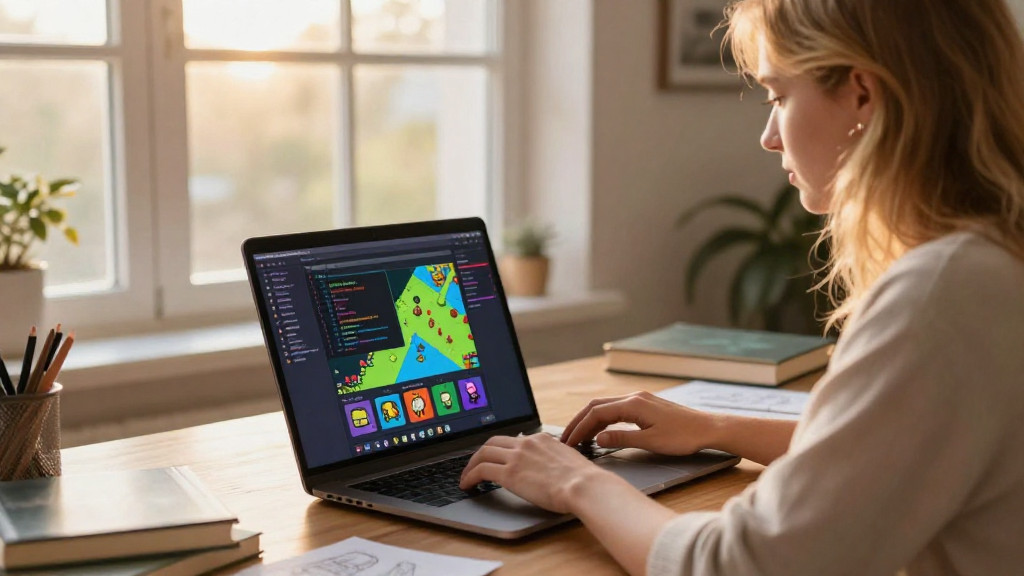
If you’re eager to dive into the world of game development, knowing how to learn coding for games is your first step towards creating your own interactive experiences.
What are the Best Resources to Learn Coding for Games?
When it comes to mastering game coding, several resources can accelerate your learning:
- Online Courses: Platforms like Udemy, Coursera, and Codecademy offer structured courses specifically focused on game development.
- Tutorials and Guides: Websites such as YouTube and freeCodeCamp have numerous video tutorials that teach game programming from scratch.
- Books: Books like “Game Programming Patterns” and “The Art of Game Design: A Book of Lenses” provide in-depth knowledge about game development principles.
- Forums and Communities: Online communities like Stack Overflow and Reddit have dedicated threads and forums for aspiring game developers to ask questions and share experiences.
By utilizing a mix of these resources, you can effectively learn coding for games in a more conducive and supportive environment.
Which Coding Languages Should You Focus On?
Knowing which programming languages are vital helps you optimize your learning path. Here are some languages that are essential for game development:
- C#: Widely used for game development, especially in Unity, a popular game engine.
- C++: Often used for AAA game titles due to its performance and control over system resources.
- Python: A beginner-friendly language with libraries like Pygame that allow for rapid prototyping.
- JavaScript: Essential for web-based games and can be used in frameworks such as Phaser.
Focusing on one or two of these languages can help simplify the programming aspect of game development.
How Much Time Should You Dedicate Weekly?
Setting aside adequate time for practice is crucial when learning how to code for games.
A consistent schedule can make a significant difference in your learning speed. Here’s how you can break down your weekly routine:
- Daily Coding: Aim for at least 1 to 2 hours of coding each day.
- Weekly Projects: Dedicate a few hours on the weekend to work on mini-projects that incorporate what you’ve learned.
- Review Concepts: Spend some time each week reviewing old concepts to reinforce your knowledge.
By committing about 10-15 hours a week, you can noticeably speed up your learning process.
What Projects Should You Start With?
Once you’ve grasped the basics, applying your knowledge through projects is critical. Here are some beginner-friendly projects you can undertake to practice your skills:
- Simple 2D Platformer: Create a basic platform game where a character jumps over obstacles.
- Text-Based Adventure Game: Develop a command-line game that allows players to make choices and navigate through a story.
- Puzzle Game: Design a simple puzzle game to challenge players and practice your problem-solving skills.
- Basic Shooter Game: This could be a 2D shooter where players can test their skills against AI.
These projects help you to implement what you’ve learned and solidify your understanding of game coding concepts.
How Can You Stay Motivated While Learning?
Staying motivated is essential when learning coding for games. Here are some effective strategies:
- Set Clear Goals: Break your learning into achievable milestones, such as completing a specific course or finishing a game project.
- Celebrate Small Wins: Acknowledge your accomplishments, no matter how small they may seem.
- Join a Community: Engage with others who are also learning to code for games. This can lead to collaborations and a supportive network.
- Follow Game Developers: Engage with content from experienced developers on social media to stay inspired.
By implementing these strategies, you can maintain your passion and growth in the field of game coding.
Can You Get Real-Time Feedback on Your Code?
Yes, obtaining feedback on your coding projects can significantly enhance your learning experience. Here are a few avenues to consider:
- Code Review Platforms: Websites like GitHub allow you to share your code for others to review and provide feedback.
- Online Forums: Participating in coding forums where you can ask for critiques can be quite beneficial.
- Peer Groups: Form study groups or join coding boot camps where you can share your code and learn from others’ experiences.
Real-time feedback accelerates your learning curve and helps you identify areas that need improvement.
What are Common Mistakes to Avoid When Learning?
Understanding common pitfalls can save you a lot of time and frustration. Here are some mistakes to avoid:
- Skipping Basics: Always master the fundamental concepts before moving on to advanced topics.
- Overlooking Documentation: Many new coders avoid reading documentation, but it often holds valuable information.
- Neglecting Practice: Only learning theories without applying them through practice won’t yield quick results.
- Impatience: Game development is complex. Patience and persistence will help you overcome challenges.
By keeping these in mind, you can streamline your journey on how to learn coding for games and reduce unnecessary setbacks.
How Can You Find Inspiration for Your Game Ideas?
Finding inspiration is crucial in game development. Here are some of the best sources for ideas:
- Playing Games: Experimenting with existing games can spark new concepts and features you’d like to incorporate into your own.
- Art and Music: Visual art and music can inspire the theme and mood of your game.
- Storytelling: Books, movies, and myths offer rich narratives that can be transformed into engaging gameplay.
- Game Jams: Participating in game jams pushes you to create games under time constraints, often resulting in innovative ideas.
Engaging with a variety of sources can greatly expand your creativity and improve your games.
How to Keep Up with Industry Trends?
Staying updated with the latest trends in game development is vital. Here are some ways to remain in the know:
- Blogs and News Websites: Follow reputable game development blogs and news sites such as Gamasutra and Game Developer.
- Podcasts: Listen to game development podcasts that feature industry leaders discussing current trends and technologies.
- Networking: Attend game expos, workshops, and meetups to connect with others and exchange ideas.
- Social Media: Follow game developers and industry experts on platforms like Twitter and LinkedIn.
By staying informed, you’ll be able to apply the latest concepts and techniques in your game coding projects.
Conclusion
Learning to code for games fast requires dedication and the right strategies.
By leveraging the best resources, focusing on essential programming languages, and engaging with projects that challenge your skills, you can streamline your learning process.
Staying motivated and avoiding common pitfalls will help ensure your success in this exciting field.
So, if you want to know how to learn coding for games, remember that consistent practice and a curious mindset are your best allies on this journey.
