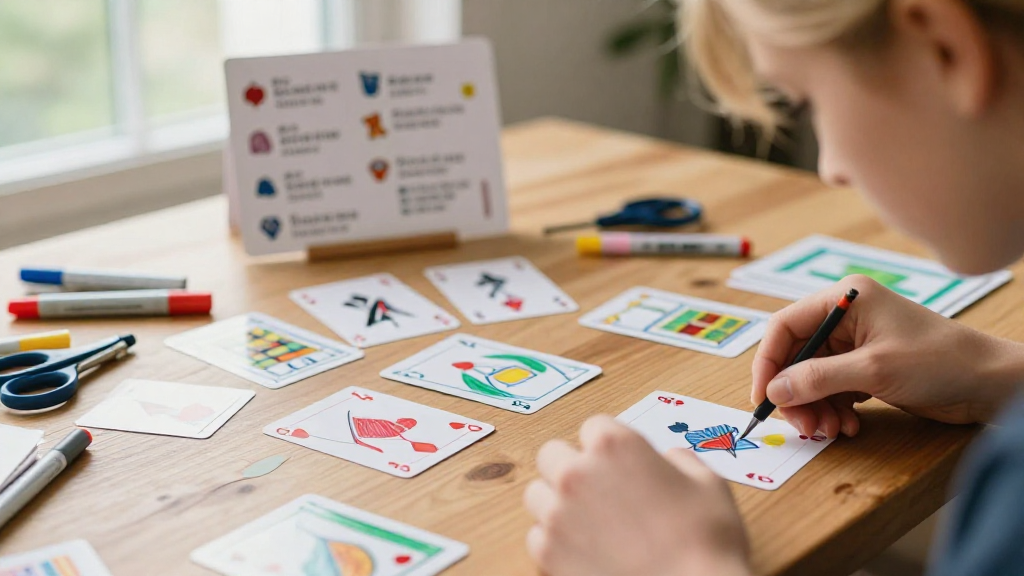
Creating your own card game can be a rewarding experience.
In this guide, we’ll explore how to make a card game that is engaging and fun for players of all ages.
What Are the Steps to Consider When Learning How to Make a Card Game?
Making a card game involves several key steps.
By following these guidelines, you can lay the groundwork for a successful game.
1. Define Your Game Concept
What theme or style do you envision for your card game?
Consider these questions:
– What age group is your target audience?
– What is the goal of the game?
– Will it be competitive or cooperative?
Example themes: fantasy, strategy, trivia, family, etc.
Your game concept will guide many of your future decisions, from game mechanics to artwork.
2. Determine the Game Mechanics
How will players interact with your game?
Defining the mechanics is crucial when learning how to make a card game.
Consider these mechanics:
– Card types: What types of cards will you have (action, resource, character)?
– Turn structure: How will turns be taken?
– Winning conditions: What determines a winner?
– Resource management: Will players have to manage resources throughout the game?
Create a basic structure that outlines how players will use their cards.
3. Sketch Out Your Card Types
What types of cards will be present in your game?
Plan out the different card types in detail.
Common types of cards include:
– Action cards: These allow players to perform specific actions.
– Resource cards: These provide necessary resources needed for gameplay.
– Event cards: These introduce random elements or challenges during play.
– Character cards: These represent individual players or avatars.
Outline the abilities, attributes, and interactions specific to each card type.
4. Set Up the Rules
What are the rules that govern your card game?
When figuring out how to make a card game, having well-structured rules is essential.
Include the following in your rulebook:
– Setup Instructions: How do players prepare for the game?
– Gameplay Instructions: What actions can players take on their turn?
– Scoring Details: How does one keep track of points or resources?
– Clarifications: Add any FAQs or common gameplay scenarios.
5. Design the Visuals
What will your cards look like?
The visual representation will play a significant role in attracting players.
Key design elements include:
– Artwork: Hire an illustrator or use design software to create eye-catching images.
– Card layout: Ensure your text is readable and the card layout is user-friendly.
– Branding colors: Choose colors that evoke the theme of your game.
A memorable design will help your game stand out in a cluttered market.
6. Build a Prototype
How can you test your card game before finalizing it?
Creating a prototype is a crucial step in the process of learning how to make a card game.
Steps to create a prototype:
– Use blank cards or print out your designs on cardstock.
– Keep the quantities low to test gameplay dynamics.
– Include a clear set of rules with your prototype for testers.
7. Playtest Your Game
How do you ensure your game is balanced and enjoyable?
Playtesting is vital for identifying flaws and areas for improvement.
During playtesting, look for:
– Player engagement: Are players interested from start to finish?
– Game duration: Does the game take too long or feel rushed?
– Rule clarity: Are there any confusing parts in the rules?
Consider gathering feedback from diverse groups to get a well-rounded perspective.
8. Refine Your Game
What do you do with the feedback you receive from playtesting?
Refining your game is essential to creating a polished final product.
Make adjustments by:
– Tweaking game mechanics based on player feedback.
– Balancing card abilities to ensure no single strategy dominates.
– Updating the artwork or design for optimal appeal.
It’s common to go through multiple iterations, so be patient and persistent.
9. Create a Final Version
How do you finalize your card game for production?
The final version comes after all testing and refinements are complete.
Consider these aspects:
– Quality of materials: Choose durable card stock and professional printing.
– Rulebook clarity: Ensure the final rulebook is easy to follow.
– Packaging: Design a compelling box to house your game.
This step will prepare you for launching or distributing your game.
10. Market Your Card Game
How can you effectively reach your target audience?
Marketing is crucial in the final phase of learning how to make a card game.
Consider using:
– Social media platforms to promote your game and engage with potential customers.
– Game conventions or local events to showcase your prototype.
– Crowdfunding platforms to raise funds for production costs while gauging interest.
An effective marketing strategy will help get your game in front of eager players.
Conclusion
In conclusion, learning how to make a card game from scratch is an exciting journey filled with creativity and strategic planning.
Remember to:
– Define your concept clearly.
– Develop engaging game mechanics.
– Test extensively and refine based on feedback.
With dedication and perseverance, your dream of creating a fun card game can become a reality.
So gather your ideas, start sketching those cards, and let your creativity flow!
