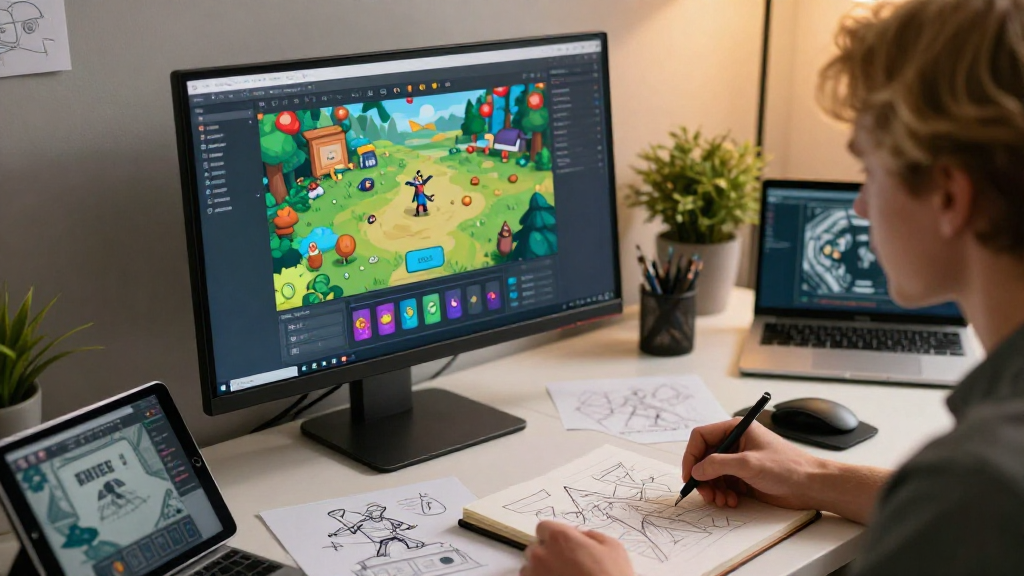
Are you curious about how to make your own idle game? Whether you’re a passionate gamer or an aspiring game developer, creating an idle game can be a rewarding experience. Let’s dive into the world of idle game development, uncovering what makes these games captivating and how you can craft your very own.
What is an Idle Game?
Idle games, also known as incremental games, are designed to be played without constant interaction. Players engage with the game for a short time, and the game continues to progress even when they’re not actively playing.
Key features of idle games include:
- Automated Progress: The game progresses automatically, earning resources over time.
- Upgrades and Leveling: Players can invest resources to unlock upgrades, which in turn increase resource generation.
- Exponential Growth: The gameplay often revolves around exponential growth, allowing players to see fast accumulation of resources.
- Prestige Systems: Players can make significant decisions that reset their progress for bigger and better rewards.
These mechanics create a captivating loop that keeps players coming back for more. So, how do you get started? Let’s explore the concept of making your own idle game.
How Do You Start Making an Idle Game?
Before diving into coding and design, it’s crucial to plan your idle game meticulously. Here are the steps to follow:
1. Define Your Concept
What theme will your idle game have?
- Sci-Fi: Spaceships, aliens, and futuristic technology.
- Fantasy: Wizards, dragons, and mythical creatures.
- Business Simulation: Manage a virtual company or factory.
Defining your concept helps create a unique identity for your game.
2. Research Existing Games
Study successful idle games to identify trends, mechanics, and features that engage players.
Some exemplary games include:
- Cookie Clicker: One of the pioneers that popularized idle gaming.
- AdVenture Capitalist: A business-themed incremental game.
- Realm Grinder: A fantasy idle game rich with lore.
Take notes on what worked and what didn’t in these games.
3. Choose the Right Tools
To learn how to make your own idle game, you’ll need to select the right development tools. Some popular platforms include:
- Unity: A powerful game engine that supports both 2D and 3D games.
- GameMaker: User-friendly for beginners, great for 2D games.
- HTML5 & JavaScript: Perfect for browser-based idle games.
Each platform has its strengths depending on your skill level and the complexity of your game.
How Do You Design Gameplay Mechanics?
After understanding the basics, let’s focus on the gameplay mechanics. Here’s how to set them up effectively:
1. Core Loop
Design a core gameplay loop that keeps players engaged. This usually involves players earning resources, spending them on upgrades, and repeating the cycle.
2. Resource Types
Determine what resources players will collect. You might consider several resource types with different functionalities:
- Primary Resource: The main currency (e.g., cookies in Cookie Clicker).
- Upgrades: Items that enhance resource generation (e.g., factories, miners).
- Secondary Resources: For advanced mechanics, add resources that require specific actions.
3. Progression Curve
Plan the progression curve carefully to balance challenge and reward. A well-paced game entices players to return often.
Key elements include:
- Early Game: Quick rewards to hook players.
- Mid Game: Introduce more complex mechanics and upgrades.
- Late Game: Allow resetting for prestige and earning significantly more.
How Do You Create a User Interface (UI)?
To provide a seamless experience, design an intuitive UI.
Essential UI components:
- Resource Display: Show the current count of resources prominently.
- Upgrade Buttons: Clearly labeled buttons that let players make purchases.
- Progress Indicators: Visual cues showing player progress or achievements.
Tips for UI Design:
- Simplicity is Key: Avoid clutter and ensure everything is easy to understand.
- Responsive Design: Make sure your game is accessible on various devices, especially mobile.
Why is Game Testing Important?
Once you’ve developed your idle game, thorough testing is crucial. This ensures that gameplay mechanics function correctly and provides a pleasant experience.
Steps to effective game testing:
- Alpha Testing: Conduct initial tests to discover bugs and design issues.
- Beta Testing: Share your game with a small group of users to gather feedback.
- Iterate: Use the feedback to refine gameplay and address issues before launch.
How Do You Launch and Market Your Idle Game?
Now that you’ve developed and tested your game, it’s time to launch it! Here’s how to make your own idle game shine:
1. Launch on Multiple Platforms
Consider releasing your game on:
- Steam: For PC players.
- Mobile App Stores: Android and iOS for mobile users.
- Browsers: Make it playable online without installation.
2. Marketing Strategies
To get noticed, implement effective marketing strategies:
- Social Media Promotion: Utilize platforms like Twitter, Facebook, and Instagram.
- Gaming Communities: Share your game on forums like Reddit and Discord.
- Influencer Partnerships: Collaborate with popular streamers or YouTubers in the gaming community.
3. Gather User Feedback Post-Launch
After launching, continually engage with your audience. Use their feedback to improve the game and introduce new features.
How Do You Sustain Long-Term Engagement?
Finally, keeping players engaged over the long term requires ongoing content updates and community management.
Suggestions for Sustaining Engagement:
- Regular Updates: Introduce new features and content regularly to keep players interested.
- Challenges and Events: Host seasonal challenges or events to spark interest.
- Player Incentives: Offer rewards for returning players, encouraging them to play frequently.
Conclusion
Creating an idle game can be a fulfilling experience that taps into the addictive nature of incremental gameplay. By following the steps outlined here on how to make your own idle game, you can craft a unique and engaging experience that attracts and retains players.
Start brainstorming your concept today, choose the right tools, and dive into the exciting world of game development! With dedication and creativity, you’ll be well on your way to building your very own idle game that could captivate players around the globe. Happy developing!
