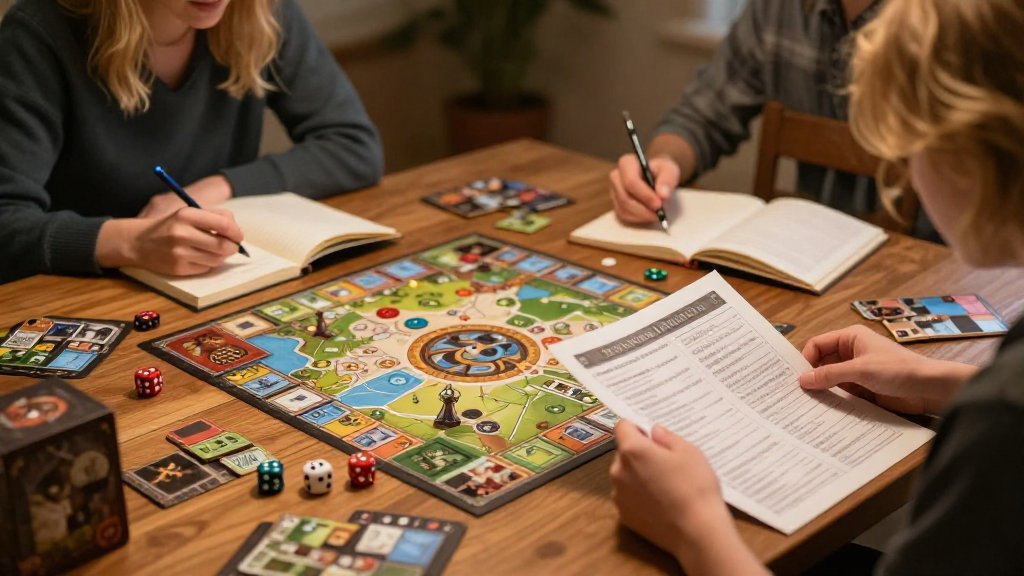
Creating your own tabletop RPG is a fantastic way to engage with friends, unleash your creativity, and share memorable adventures.
In this article, we will explore how to make your own tabletop RPG step-by-step, ensuring you can create a game that suits your vision and audience.
What Are the Basics of a Tabletop RPG?
Before diving into the intricacies of how to make your own tabletop RPG, it’s essential to understand the basic framework of the genre.
A tabletop RPG (role-playing game) typically involves:
- Players: A group of individuals who portray characters.
- Game Master (GM): The person who orchestrates the game, guiding the story and controlling non-player characters (NPCs).
- Rule System: A set of guidelines that govern gameplay, including how characters interact with the world and each other.
- Setting: The fictional universe where the game’s events unfold.
Understanding these core concepts will provide a solid foundation for your RPG creation.
How Do You Choose a Theme and Setting?
Picking a compelling theme and setting is critical when you want to know how to make your own tabletop RPG.
Some popular themes include:
- Fantasy: Think dragons, magic, and medieval settings.
- Science Fiction: Imagine futuristic worlds, space travel, and advanced technology.
- Horror: Create chilling environments where fear reigns supreme.
- Historical: Set your game in a specific time period or event.
- Superhero: Let your players embody their favorite heroes or villains.
Once you choose a theme, develop a rich, immersive setting. Ask yourself questions like:
- What is the history of this world?
- What factions or organizations exist?
- How does magic or technology function (if applicable)?
Write a Brief Background Story
Craft a succinct background story that captures the essence of your world. This can be written as a one-page summary to keep it concise and easily shareable among potential players.
What Characters Will Your Players Create?
Central to any RPG is character creation. Teach your players how to make their own tabletop RPG characters by establishing guidelines for creating diverse and interesting characters.
Key Elements to Consider:
-
Character Classes:
– Warrior
– Mage
– Rogue
– Druid -
Attributes:
Players must define various attributes or stats (like Strength, Dexterity, and Intelligence) that impact their characters’ abilities. -
Skills:
Allow players to choose or gain skills that will enable them to solve problems and interact with your world. -
Backstory:
Encourage players to develop a personal story for their character to create emotional investment in the game.
How Will You Structure the Gameplay?
Now, let’s discuss the gameplay mechanics—which are pivotal for guiding players and the GM.
Your game needs:
- Game Flow: Establish how turns will be structured. Will it be turn-based, or will you allow for free form actions?
- Combat System: Create guidelines for how battles and conflicts will unfold. Are combat rounds timed? Will luck play a role with dice rolls?
- Skill Checks: Implement a system for resolving actions, such as rolling dice to determine success or failure when attempting difficult tasks.
Make It Engaging
Consider how you can keep players engaged over time. Incorporate elements like:
- Side Quests: Offer additional adventures outside the main storyline.
- Leveling Up: Provide incentives for characters to grow and become more powerful.
- Interactive Environment: Create outcomes beyond “yes” or “no” answering the players’ actions.
How to Create Rulebooks for Your RPG?
An essential component of how to make your own tabletop RPG is crafting a rulebook that summarizes all gameplay mechanics.
Points to Include:
- Introduction: A brief overview of the game and its premise.
- Character Creation: Detailed guidelines for players to create their own characters.
- Game Mechanics: Clear instructions concerning gameplay, combat, and interactions.
- Lore and World Information: Offer insights into the setting, giving the players a sense of depth.
- Sample Adventures: Provide introductory scenarios or examples to demonstrate how gameplay might unfold.
What Tools Can Help You?
When you want to know how to make your own tabletop RPG, certain tools can greatly assist you in design and implementation.
Useful Tools:
- Character Sheets: Create printable templates that players can fill out with their character’s details.
- Dice: Depending on your rules, you might need six-sided, ten-sided, or other specialty dice.
- Miniatures or Tokens: These help visualize character positions during gameplay.
- Digital Tools: Consider using platforms like Roll20, Foundry, or Tabletop Simulator for virtual play.
How Do You Test Your Game?
Testing is a crucial phase in the game design process.
Gather a group of willing participants and playtest your RPG. During this process:
- Take notes on what works and what doesn’t.
- Be open to feedback; your players are crucial in shaping the final product.
- Adjust rules, balance character power, and streamline mechanics based on how players interact with your game.
How Will You Promote Your Own Tabletop RPG?
Once you’ve created your RPG, you may want to share it with the broader community.
Here’s how you can promote your game:
- Social Media: Utilize platforms like Instagram, Twitter, and Facebook to showcase your RPG’s artwork, stories, and gameplay.
- Gaming Conventions: Attend local or national conventions to present your game, either in print or as a live RPG session.
- Crowdfunding: Launch a campaign on platforms like Kickstarter or Indiegogo to gather support and funding for a more polished version of your game.
- Community Forums: Engage with forums such as Reddit, RPG.net, or specific Facebook groups dedicated to tabletop RPGs.
Conclusion
Now that you have a comprehensive understanding of how to make your own tabletop RPG, it’s time to embark on your creative journey!
From establishing your unique theme and setting to crafting engaging gameplay mechanics and a thoughtfully designed rulebook, each step is an opportunity to unleash your imagination.
Gather your friends, test your game, and enjoy the delightful adventures that await. Remember, the most critical element in tabletop RPGs is the collaborative storytelling experience between players and the GM.
Happy gaming!
