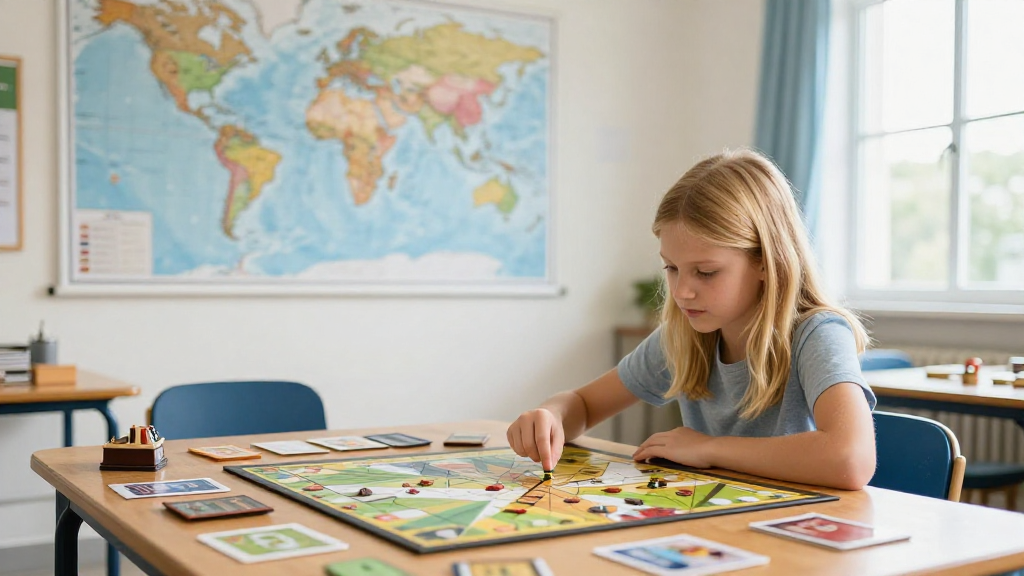
Are you looking for innovative ways to engage your students in history?
Learning about the past can sometimes be dull, but how to play history games can transform the learning experience into an exciting adventure.
In this article, we’ll explore various methods and tips for effectively incorporating history games into your lessons.
What Are History Games?
History games are interactive activities that are designed to teach students about historical events, figures, and concepts through engaging gameplay.
These games can take many forms, including:
- Board games
- Video games
- Role-playing games
- Online trivia quizzes
By using history games, you can captivate your students’ attention, encourage teamwork, and deepen their understanding of historical contexts.
Why Should You Use History Games in the Classroom?
By asking how to play history games, you’re opening the door to numerous benefits for both you and your students.
Here are some compelling reasons to integrate history games into your curriculum:
- Increased Engagement: Students are more likely to participate when they’re having fun.
- Enhanced Retention: Games can make historical facts memorable and relatable.
- Critical Thinking: Many history games require students to analyze situations and make decisions.
- Collaboration Skills: Playing games often necessitates teamwork, promoting social interaction.
- Differentiation: History games can cater to different learning styles and abilities.
How Can You Create Your Own History Games?
Creating your own history games can be rewarding and tailored specifically to your class needs.
Here’s a step-by-step guide on how to play history games that you create yourself:
Step 1: Determine Learning Objectives
Identify what you want your students to learn.
Questions to ask:
– What historical events or figures are relevant to the curriculum?
– What skills do you want to enhance (e.g., critical thinking, teamwork)?
Step 2: Choose a Game Format
Decide on the type of game you want to create.
Popular formats include:
- Trivia Games: Excellent for quick facts.
- Role-Playing: Allows students to embody historical figures.
- Board Games: Focus on strategy and competition.
Step 3: Develop Game Content
Create questions, scenarios, or missions based on the chosen historical topics.
Make sure to include:
- Difficulty levels to cater to various understanding.
- Visual aids to enhance learning.
Step 4: Set Game Rules
Establish the rules clearly.
Include:
- How to score points
- How the game progresses
- Time limits
Step 5: Test Your Game
Before introducing it to your class, playtest the game with a small group to ensure it flows well.
Step 6: Play and Debrief
Once the game is ready, it’s time to play!
Afterward, take time to:
- Discuss what they learned
- Explore any lingering questions about the topic
What Tools Can You Use For History Games?
Apart from creating your own games, there are various tools available to facilitate how to play history games effectively.
Online Platforms
- Kahoot! – Great for trivia and quizzes.
- Quizlet – Allows you to create flashcards or play matching games.
- Minecraft Education Edition – Can be used for role-playing historical scenarios.
Physical Tools
- Board Games – Examples include Timeline or Risk: Historical Edition.
- Card Games – Look for games that focus on historical knowledge.
- Role-Playing Kits – Engage students in reenactment activities.
Local Resources
Consider reaching out to local history museums or cultural centers for game ideas or kits that can make learning more interactive.
How Can You Integrate History Games into Your Curriculum?
Understanding how to play history games is one thing; integrating them into your curriculum is another challenge.
Here are some effective strategies to consider:
1. Align with Your Curriculum
Ensure that any history game you decide to implement aligns with your educational standards and objectives.
2. Use as Assessment Tools
Games can be effective for assessing students’ prior knowledge or understanding of a topic.
3. Incorporate Into Group Projects
Combine history games with project-based learning.
For instance, students can create their own games and present them to the class.
4. Foster Competition
Introduce rewards or points to stimulate interest in competitions through games that can lead to healthy rivalry.
5. Set Time for Reflection
After playing, always create a reflection period for the students to discuss their experiences authentically.
What Are Some Examples of Popular History Games?
To help you get started on how to play history games, here are a few examples that educators have found effective:
Board Games
- Timeline: Players place historical events in the correct order.
- 1861: A strategic board game based on the American Civil War.
Video Games
- Assassin’s Creed Series: Offers narratives set in various historical time frames, ideal for discussion.
- Civilization Series: Teaches about different civilizations and strategic thinking.
Role-Playing Games
- Crisis on Infinite Earths: A role-play game focusing on historical events and decisions.
- Historical reenactment clubs: Encourage students to take part in events dressed as historical figures.
Conclusion
Using history games can make learning about the past a dynamic, engaging, and enjoyable experience for your students.
By learning how to play history games, you not only enhance their understanding of historical events but also encourage critical thinking, collaboration, and a love for history.
Explore different formats, incorporate them into your teaching methodology, and witness the transformation in your classroom dynamics.
Remember, the goal is to make history alive and relevant for your students!
Try incorporating these strategies and see how your students respond to learning through play.
Engage them in history in a way they will never forget!
