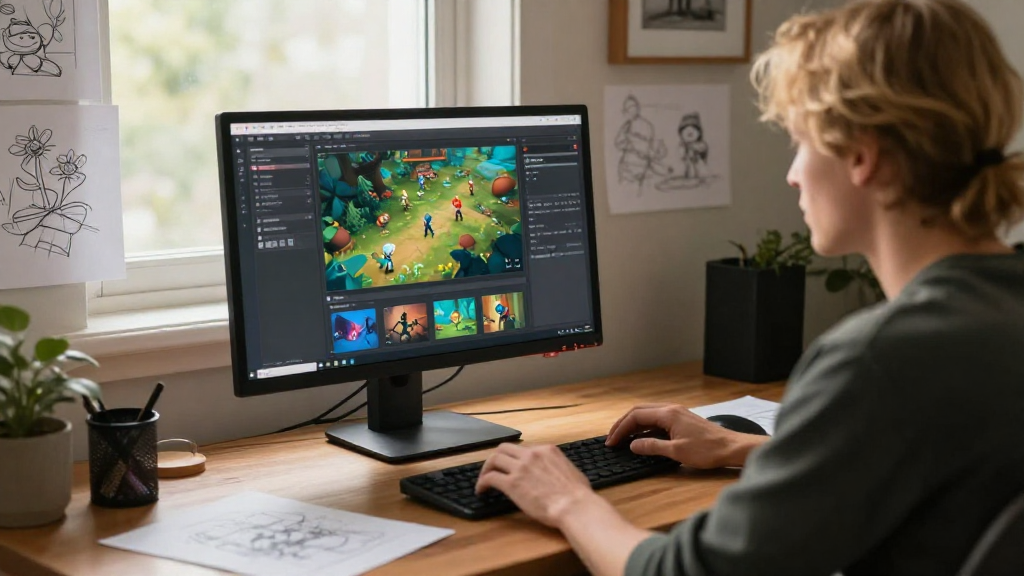
Publishing a game online can be both an exciting and daunting experience.
If you’ve ever wondered how to publish a game, this guide will walk you through the critical steps to getting your game in front of eager players.
What Are the Initial Steps to Consider?
Before you dive into the mechanics of online game publication, it’s essential to understand the initial steps necessary for success.
-
Game Design and Development
Ensure your game is fully developed. Conduct thorough testing to polish gameplay, graphics, and performance.
Consider conducting beta tests with a select group of players to gather feedback. -
Determine Your Target Audience
Who is your game for? Understanding your audience will shape your marketing strategies and platform choices.
Define your demographic based on age, interests, and gaming habits. -
Select a Platform
The platform you choose will significantly impact how to publish a game.
Here are some popular options:
- Steam: Ideal for PC and Mac games.
- Apple App Store: Great for iOS mobile games.
- Google Play Store: Perfect for Android games.
- Epic Games Store: An alternative to Steam with fewer fees.
- Game Jolt & itch.io: Best for indie developers looking for niche audiences.
How Do You Prepare for Publication?
Preparation is key when learning how to publish a game.
Follow these steps to ensure you’re ready:
-
Finalize Your Game’s Assets
Ensure that all graphics, sound effects, and music are complete and polished.
If possible, work with artists or musicians to enhance your game’s appeal. -
Create an Engaging Marketing Strategy
Craft a strategy that includes social media engagement, trailers, and promotional artwork.
Build a community around your game by using platforms like Discord or Reddit. -
Prepare Your Documentation
Most platforms require certain documentation before allowing you to publish.
This might include:
- Privacy Policy
- End User License Agreement (EULA)
- User Manuals or Guides
What Are the Best Practices for Game Publishing?
To ensure a smoother process when considering how to publish a game, adhere to these best practices:
-
Choose the Right Pricing Model
Decide whether your game will be free, freemium, or paid.
Research your competitors to see what pricing models they employ. -
Localize Your Game
If feasible, consider localizing your game for international audiences.
This includes translating the text and adapting aspects like cultural references. -
Stay Compliant with Copyright Laws
Ensure you hold the rights to all assets within your game, including music and graphics.
If you’re using third-party assets, make sure to comply with their licensing agreements.
Which Platforms Should You Use When Publishing a Game?
Choosing the right platforms is crucial when learning how to publish a game.
Here’s an overview of the most popular gaming platforms:
1. Steam
- Pros:
- Large user base
-
Tools for developers such as Steamworks
-
Cons:
- 30% cut on sales
- Competitive marketplace
2. Epic Games Store
- Pros:
- Lower revenue share (12%)
-
Potential for promotion through exclusivity deals
-
Cons:
- Smaller audience than Steam
- Limited support for indie developers currently
3. Apple App Store & Google Play Store
- Pros:
- Access to mobile gamers
-
Wide reach on mobile devices
-
Cons:
- High marketplace fees (30% for both stores)
- Stringent review process
4. itch.io
- Pros:
- Indie-friendly platform
-
Flexible pricing and revenue sharing
-
Cons:
- Smaller audience
- Some features may be limited compared to larger platforms
5. Humble Bundle
- Pros:
- Unique model allowing customers to pay what they want
-
Focuses on indie developers
-
Cons:
- Limited audience compared to major stores
- Income can be unpredictable
How Do You Successfully Market Your Game?
Marketing is a significant aspect of how to publish a game, often determining your game’s success.
Follow these strategies:
-
Leverage Social Media
Use platforms like Twitter, Facebook, and Instagram to share updates and behind-the-scenes content.
Engage with your audience regularly for better rapport. -
Create a Website or Blog
A dedicated space for your game allows you to share news, updates, and insights.
Optimize your website for search engines to attract organic traffic. -
Engage with Influencers and Streamers
Reach out to gaming influencers or streamers who resonate with your game genre for promotion.
Offering a free copy for them to showcase can drive significant interest.
Which Challenges Should You Prepare For?
While publishing a game can be rewarding, it’s not without challenges.
When considering how to publish a game, be wary of the following:
-
Technical Issues
Bugs and errors can deter players. Ensure thorough testing is conducted pre-launch.
Consider a soft launch to identify issues early. -
Market Competition
Standing out in a crowded marketplace is tough.
Your marketing needs to be robust and creative to capture players’ attention. -
User Feedback and Criticism
Not all feedback will be positive. Accept constructive criticism to improve.
Respond to negatives gracefully and use them as learning experiences.
How Do You Measure Success After Publication?
After launching, it’s crucial to assess your game’s performance.
Here are some metrics to consider:
-
Sales Figures
Understanding your revenue helps gauge the financial success of your publication. -
Player Engagement
Monitor how players engage with your game through reviews, downloads, and online discussions. -
Community Feedback
Check out platforms like Steam reviews or social media mentions to determine players’ sentiments.
Conclusion
Now that you know how to publish a game, it’s time to take the plunge into the gaming world.
With thorough preparation, effective marketing strategies, and an understanding of potential challenges, you’ll be well-equipped to bring your creation to life.
Whether you choose to publish on Steam, itch.io, or any other platform, remember to focus on creating a quality experience for players.
Good luck, and may your game find its audience!
