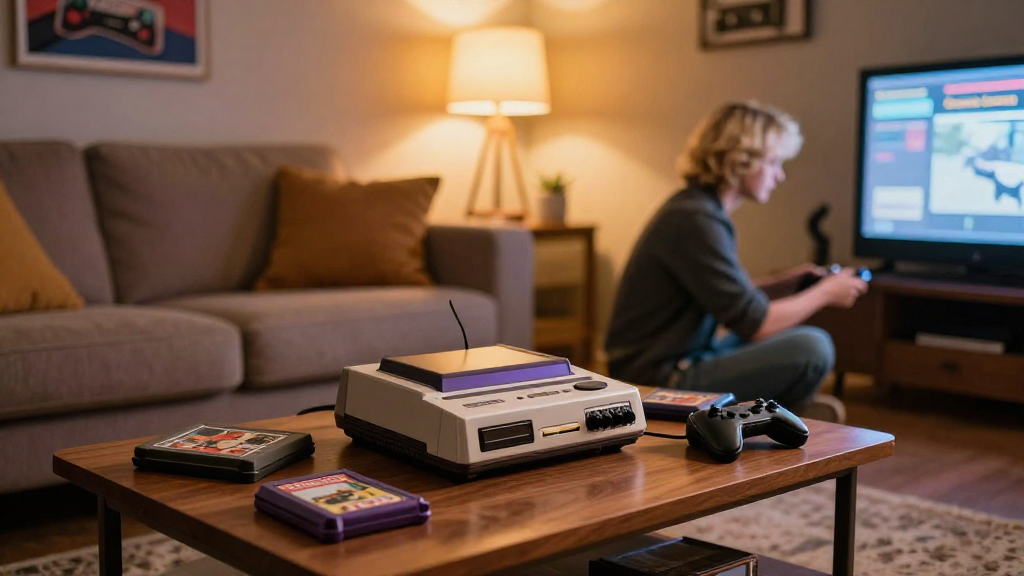
Are you excited about learning how to set up a retro game console and relive the magic of classic gaming?
In this article, we will guide you through every step of the process, ensuring you can easily dust off your favorite childhood titles and play like it was the ‘90s all over again!
What is a Retro Game Console?
Before diving into how to set up a retro game console, it is essential to understand what a retro game console actually is. These consoles are devices dedicated to playing older video games that were released on systems like the Nintendo Entertainment System (NES), Sega Genesis, PlayStation, and more.
Modern retro consoles might even include hundreds of classic games built into them! Some popular examples include:
- Nintendo Switch Online Subscription
- Sega Genesis Mini
- SNES Classic Edition
- PlayStation Classic
What Do You Need to Get Started?
To successfully learn how to set up a retro game console, you’ll need a few items. Here is a checklist:
- Retro Game Console: Choose your console based on nostalgia or game availability.
- Power Supply: Ensure you have the appropriate power supply that fits your console.
- HDMI Cable: Most modern televisions require an HDMI connection.
- Controllers: Depending on your console, you may need one or two controllers for multiplayer fun.
- Television: Make sure your TV has the correct input ports for your console.
- Game Cartridges (if applicable): If you plan to use an original console, have your game cartridges ready.
How Do You Prepare the Console for Setup?
Once you have gathered your equipment, the next step in how to set up a retro game console is preparation. Follow these steps:
- Find a Stable Surface: Set up your console on a flat, stable surface to avoid any damage during game play.
- Verify Your Equipment: Make sure all cables and controllers are accounted for and in working condition.
- Read Manuals: If you’ve purchased a pre-owned console, it’s wise to check the manual for unique setup instructions or troubleshooting tips.
How Do You Connect the Console to Your TV?
Now that your console is prepared, the next step in how to set up a retro game console involves connecting it to your television. Here’s how to do it:
- Locate Input Ports: Most modern TVs will use HDMI. If your retro console has composite outputs (yellow, red, white connectors), you’ll need an adapter.
- Modern Connection: Use an HDMI cable. Plug one end into your console and the other into the HDMI port on your TV.
- Old School Connection: Use the composite cable. Match the colors correctly: yellow for video, and red/white for audio.
-
Attach the Power Supply: Plug the power supply into an outlet and connect it to your console.
-
Turn On Your TV and Console: Select the correct input source on your TV using the remote.
What’s Next? Configuring Your Console Settings
After connecting everything, it’s time for the final touches in how to set up a retro game console. Here’s what to do next:
- Power On the Console: You’ll see the startup screen.
- Adjust Settings: Depending on the console, you might encounter options such as display, sound, and other settings. Adjust these to fit your preferences.
- Brightness and Contrast: For a better visual experience, adjust based on your TV settings.
- Audio Levels: Ensure the sound is clear and audible, but not too loud.
-
Insert Game Cartridges (if applicable): If you’re using an original console, insert your game cartridges firmly into their slots.
-
Select a Game: If applicable, navigate through the game menu using your controller. For classic consoles with built-in games, use the controller buttons to access the gaming library.
How Can You Troubleshoot Common Issues?
While setting up, you may encounter some hiccups. Here are solutions to common problems encountered during how to set up a retro game console:
No Signal on TV?
- Check Cable Connections: Make sure the HDMI or composite cables are plugged in firmly.
- Select the Right Input: Ensure that your TV is set to the correct HDMI or composite input source.
Controller Not Responding?
- Replace Batteries: If you’re using wireless controllers, check their battery status or replace them if necessary.
- Re-sync Controllers: Follow your console’s instructions for syncing controllers.
Poor Picture or Sound Quality?
- Inspect Cable Condition: Faulty cables can lead to poor performance. Replace any damaged cables.
- Adjust TV Settings: Ensure your TV settings are correct for the type of input being used.
How Do You Enjoy Your Classic Games?
Finally, once the console is set up, and you have resolved common issues, you can start playing your vintage favorites! Here’s how to maximize your experience:
- Gather Friends for Multiplayer: Many classic games are best enjoyed with friends, so gather a group for some nostalgic fun.
- Create a Gaming Schedule: Consider creating a gaming night to foster regular play with classics.
- Explore New Games: If your console supports it, consider expanding your library with additional games. Some services may even offer multiplayer modes or challenges.
Conclusion
In summary, knowing how to set up a retro game console is an engaging way to enjoy beloved classics from your childhood.
By gathering the necessary equipment, preparing your console, connecting it to your TV, configuring the settings, and troubleshooting any issues, you’re well on your way to reliving the pixelated excitement of yesteryear.
Whether it’s clashing with friends in Super Mario Kart or exploring dungeons in The Legend of Zelda, your retro console awaits—happy gaming!
