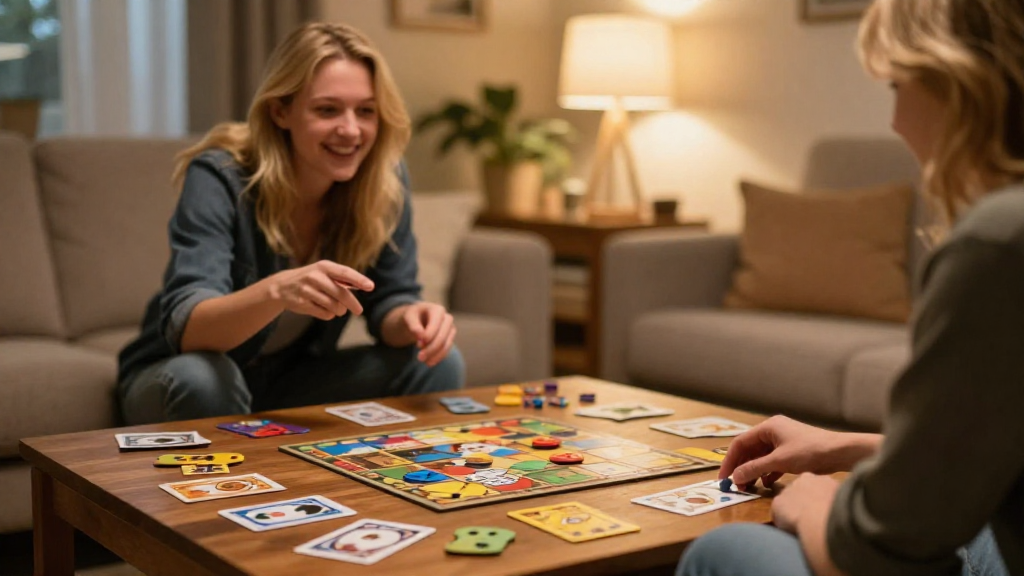
Teaching a game can be a fun and rewarding experience, but what happens when you find yourself without the all-important rulebook?
In this article, we’ll explore how to teach a game without the rulebook effectively, ensuring your players understand the game mechanics and can enjoy the gameplay to the fullest.
What Are the Benefits of Teaching a Game Without the Rulebook?
Teaching a game without the rulebook can have several benefits.
-
Flexibility: You can adapt rules based on the group’s preferences or skill levels.
-
Engagement: Players may feel more involved when learning from a peer rather than a manual.
-
Memory: Players often remember concepts better when they learn them through demonstration rather than reading.
-
Creativity: You might even inspire new variations of the game by teaching it differently.
How to Prepare for Teaching Without a Rulebook?
Before diving into how to teach a game without the rulebook, you need to prepare yourself. Here are some essential steps:
-
Know the Game Mechanics: Familiarize yourself with the fundamental aspects of the game. Pay special attention to how it is played, the objectives, and any special rules.
-
Create a Mental Outline: Jot down the key concepts, phases, and rules of the game. This will serve as your guide.
-
Play the Game Yourself: If possible, play the game a few times to internalize the rules and experience the gameplay from a player’s perspective.
How Can You Simplify the Rules for Your Players?
When explaining how to teach a game without the rulebook, simplicity is key.
- Start with the Basics:
Introduce the game with a brief overview, emphasizing the goal and core mechanics.
- Use Clear Language:
Avoid jargon or complex terms. Use straightforward language that everyone can understand.
- Focus on Key Points:
Highlight the most critical rules that impact gameplay. These are the rules that everyone needs to grasp to start playing.
- Gradual Introduction:
Don’t overwhelm players with all the rules at once. Introduce them in small, manageable chunks.
How Can Demonstration Help?
One effective way of understanding how to teach a game without the rulebook is through demonstration.
- Show, Don’t Just Tell:
Use a turn to demonstrate how things work. Explain what actions you are taking and why. This visual component can be crucial for understanding.
- Encourage Questions During the Demo:
Invite players to ask questions as you demonstrate. This dialogue can help clarify any uncertainties.
- Invite Players to Practice in Turns:
Once you’ve demonstrated a turn, encourage players to take practice turns. This hands-on experience reinforces learning.
What If Players Have Different Skill Levels?
When teaching a game without the rulebook, you might encounter players with varying skill levels. Here’s how to navigate this effectively:
- Be Patient and Encouraging:
Recognize that everyone learns at their own pace. Offer assistance to those who may be struggling.
- Pair Experienced Players with Newbies:
If possible, pair more experienced players with new ones. This can foster a mentoring environment.
- Adjust Game Difficulty:
Consider modifying the game rules slightly to accommodate different skill levels. This adjustment can help everyone enjoy the game equally.
How Can a Friendly Atmosphere Enhance Learning?
A conducive learning environment is critical when figuring out how to teach a game without the rulebook.
- Foster Openness:
Create an atmosphere where players feel comfortable asking questions and making mistakes.
- Celebrate Small Wins:
Acknowledge when players grasp a concept or make a significant play. Positive reinforcement can boost confidence.
- Incorporate Humor:
Lightening the mood with laughter can relieve tension and make the learning process enjoyable.
What Are Some Common Mistakes to Avoid?
When teaching a game without a rulebook, it’s essential to be aware of potential pitfalls:
- Skipping Key Rules:
Make sure not to overlook any fundamental rules just because they seem simple. They may have a significant impact on gameplay.
- Being Too Technical:
Avoid overwhelming players with too many technical details. Focus on the essence of the game.
- Not Allowing Enough Practice Time:
Ensure players have enough time to practice turns. Rushing through this phase can lead to confusion later on.
How Can You Encourage Players to Share Feedback?
Feedback can be invaluable when considering how to teach a game without the rulebook.
- Ask for Input:
After your session, solicit player feedback regarding the rules and gameplay.
- Adjust Accordingly:
If common misunderstandings arise, consider modifying your teaching approach in the future.
- Create a Feedback Loop:
Continuous improvement is vital. Maintain an open channel for communication, allowing players to share thoughts and suggestions.
What Are Some Examples of Games Easy to Teach Without a Rulebook?
Certain games lend themselves well to teaching without a rulebook. Here are some examples:
-
UNO: The turn-based nature and simple rules make it easy to teach through demonstration.
-
Exploding Kittens: The unique mechanics can be showcased, making it easy for players to grasp as they play their first turns.
-
The Game of Life: The concepts can be explained step by step, as the game progresses.
Conclusion: Mastering How to Teach a Game Without the Rulebook
Learning how to teach a game without the rulebook allows you to be flexible, responsive, and creative in your approach.
By understanding the essential mechanics, simplifying rules, and creating an engaging environment, you can ensure a fun and enjoyable gaming experience for everyone involved.
So, the next time you find yourself without that precious rulebook, don’t panic.
Use these strategies, embrace the challenge, and bring the game to life for your players!
