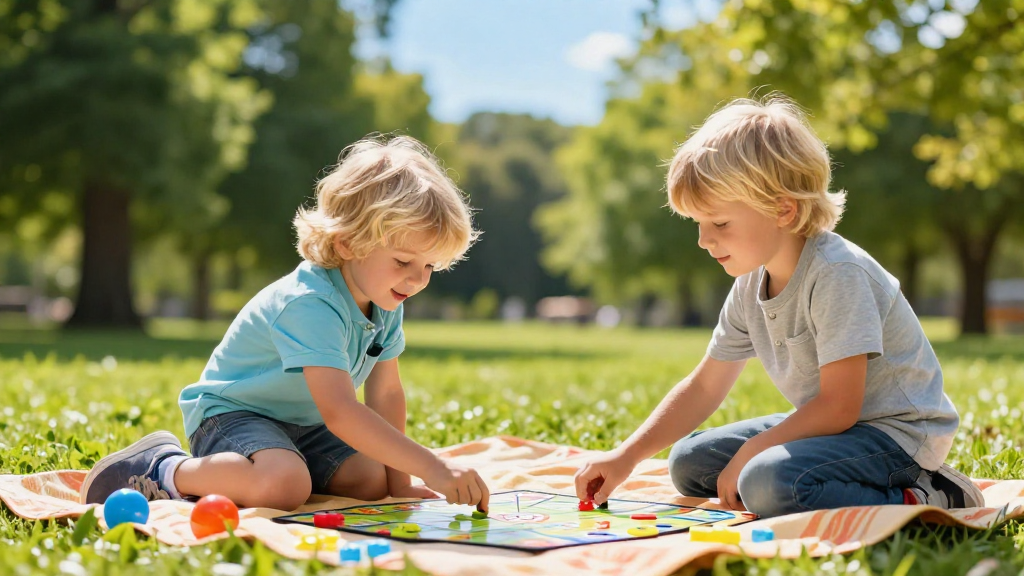
Teaching kids new games can be an enriching experience for both children and adults alike.
Learning new games fosters creativity, improves problem-solving skills, and enhances social interactions.
But how do you effectively teach kids new games without overwhelming them?
Let’s explore some practical strategies and techniques that make the learning process engaging and fun.
Why Is Teaching Kids New Games Important?
Teaching kids new games serves multiple purposes.
It helps in developing critical thinking skills, enhances motor skills, and improves social interactions.
When kids learn new games, they also learn the importance of teamwork and sportsmanship.
So, why not make it easier for everyone involved?
Here are some ways to simplify the process.
What Are the Best Strategies for Teaching Kids New Games?
If you’re wondering how to teach kids new games in a fun and efficient way, consider these methods:
1. Choose Age-Appropriate Games
Not all games are suitable for all age groups.
Before diving into how to teach kids new games, ensure the game is age-appropriate.
- For younger children: Focus on games that require simple rules and quick gameplay.
- For older kids: Introduce games that may have more complex strategies or rules.
2. Explain the Rules Clearly
A crucial part of how to teach kids new games is delivering the rules in an understandable manner.
- Keep it Simple: Avoid overwhelming kids with too many rules at once.
- Use Visual Aids: Illustrate the rules with diagrams or videos if possible.
3. Demonstrate the Game
Show, don’t just tell!
Demonstrating how the game is played can significantly help in teaching kids new games.
- Lead by Example: Play a mock round while explaining your actions.
- Encourage Questions: Allow kids to ask questions as you demonstrate, providing clarity.
4. Start with Short Sessions
Shorter sessions are ideal for kids, especially when learning something new.
Attention spans can vary widely, so:
- Begin with quick rounds: Keep the initial play sessions short, around 15–30 minutes.
- Gradually Increase Playtime: As they become more comfortable, extend the playtime.
5. Be Patient and Encouraging
Patience is key when teaching kids new games.
Encouragement helps foster a positive atmosphere.
- Reinforce Learning: Celebrate small wins with praise or even small rewards.
- Encourage Teamwork: Emphasize learning together as a collective.
6. Make It Fun!
At the end of the day, games are about fun!
- Add a Thematic Twist: Incorporate themes or storylines to captivate their imagination.
- Use Engaging Props: Using colorful materials can capture attention and keep them engaged.
7. Adapt to Their Interests
Observe and adapt based on your child’s interests or cues.
- If they like sports, introduce games that have a physical element.
- For kids who enjoy puzzles, choose strategy games.
8. Gradually Introduce Challenges
Once the kids are familiar with the basic rules, introduce new challenges to enhance their skills.
- Change Up the Rules: Add variations to the game to keep it fresh and exciting.
- Introduce New Elements: Integrate thematic stories, challenges, or new roles to make it unique.
How Can You Use Technology to Teach Kids New Games?
Technology has transformed the way we learn new skills, including games.
- Use Educational Apps: Many apps are designed to teach kids new games and strategies interactively.
- Online Tutorials: Platforms like YouTube offer countless tutorials for various games.
- Interactive Video Games: Certain video games have tutorial modes that can serve as valuable learning tools.
What Are Some Games to Teach Kids?
When it comes to how to teach kids new games, having a solid selection is vital. Here are some suggestions:
For Younger Kids:
- Simon Says: A fun way to improve listening skills and follow directions.
- Duck, Duck, Goose: A simple game that teaches kids about taking turns.
For Older Kids:
- Capture the Flag: An exhilarating outdoor game that encourages teamwork.
- Chess: Great for developing strategic thinking and planning.
For All Ages:
- Uno: A card game that is easy to learn and fosters light-hearted competition.
- Pictionary: A fun way to incorporate drawing and guessing, promoting creativity.
How Can Parents and Guardians Support Learning?
Support from parents and guardians can be pivotal in how to teach kids new games effectively.
Here are some ways to be involved:
- Participate Actively: Play along with your children to model positive behavior.
- Create a Game Night: Initiate regular game nights to make learning ongoing and fun.
- Engage in Discussions: Talk about game strategies and concepts to elevate their understanding.
Conclusion: Make Learning New Games a Joyous Experience
In summary, teaching kids new games doesn’t have to be a daunting task.
Using age-appropriate games, clear explanations, and engaging methods can significantly enhance the learning experience.
Remember to be patient, adapt to their interests, and above all, keep it fun!
When you know how to teach kids new games effectively, you’re not only teaching them rules but also fostering critical life skills that will serve them well beyond the game itself.
So gather your materials, prepare for laughter, and embark on this exciting learning journey!
