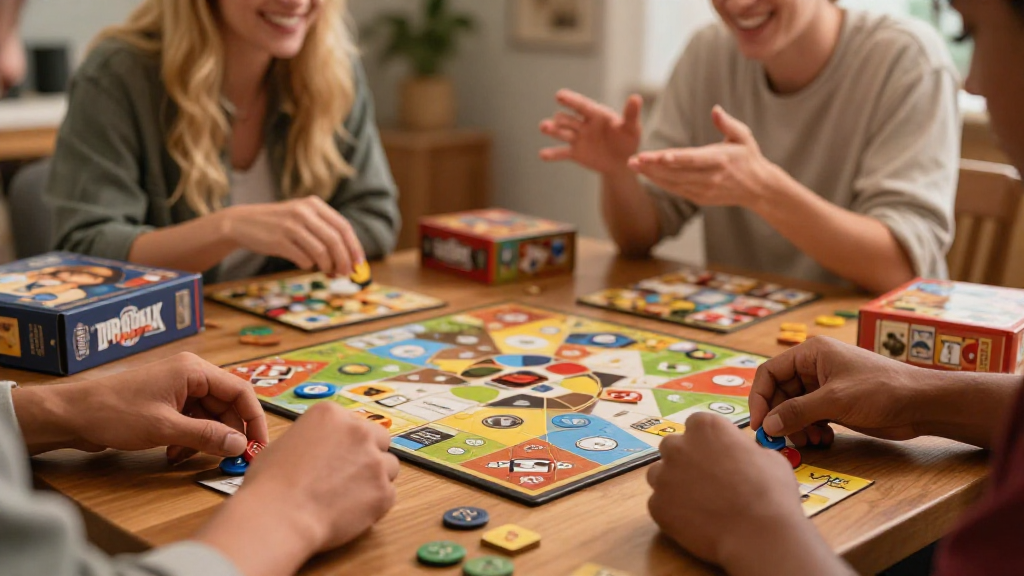
In the world of gaming, whether it’s board games, card games, or sports, knowing how to teach rules quickly can make the difference between an enjoyable experience and a lengthy, confusing ordeal.
Why Is It Essential to Teach Rules Quickly?
Teaching the rules effectively is essential because:
- Time-Saving: Clear instructions lead to faster gameplay, giving everyone more time to enjoy the game.
- Increased Engagement: A quick rundown keeps players interested rather than frustrated.
- Enhanced Understanding: When rules are taught effectively, players grasp the game quicker, leading to fewer questions mid-game.
What Are the Best Tips for Teaching Rules Quickly?
Here are some effective strategies on how to teach rules quickly so everyone can jump right into the game:
- Break Down the Game into Simple Steps
- Start with the game’s objective.
- Discuss the basic mechanics.
- Introduce key components or items.
- Use Visual Aids
- Utilize a game board or card stack to show how things work.
- Create a quick-reference cheat sheet that players can glance at during the game.
- Demonstrate First
- Walk through a sample round or turn.
- Let players see the rules in action rather than just hearing about them.
- Encourage Questions at the Start
- Make it clear that players can ask questions as you explain the rules.
- This approach prevents misunderstandings from taking root early in the game.
- Use Analogies
- Relate unfamiliar mechanics to games or activities players already understand.
- For example, if you’re teaching a card game, compare it to a game they know well.
How Can You Make the Learning Process Interactive?
Engagement is fundamental when teaching rules quickly. Here are ways to foster interaction:
-
Involve Players Early
-
Get players to help set up the game.
-
Encourage them to ask about particular rules as they see components for the first time.
-
Use Questions Strategically
-
Ask players questions like, “What do you think happens when…”
-
This method not only keeps them involved but also reinforces understanding.
-
Play a Simplified Version First
-
Start with a stripped-down version of the game.
- Focus on core mechanics before gradually introducing additional complexities.
Should You Have a Rule Book Handy?
Absolutely! Having the rule book available can be incredibly beneficial as you teach rules quickly.
- Quick Reference Tool: Players can consult it during gameplay.
- Rules Clarification: When questions arise, you can confirm details directly.
- Encouragement of Learning: Seeing the written rules helps players retain information better.
What If Players Still Have Questions?
Questions are inevitable. Here’s how to handle them without derailing the pace of the game.
-
Limit Questions During Explanation
-
Encourage questions to be saved until the initial rule summary is complete.
-
This approach prevents constant interruptions.
-
Assign a “Rules Expert”
-
If there’s an experienced player, let them assist newcomers with questions.
-
This delegation allows you to keep the game running smoothly.
-
Create a FAQ List as You Play
-
Jot down common queries on a separate sheet for quick future reference.
- You can even update it after each game to improve your teaching methods next time.
How Important Is the Atmosphere?
The setting can significantly impact how well you teach rules.
- Keep It Light: Maintain a cheerful and relaxed environment.
- Encourage Participation: Create a culture where players feel comfortable expressing confusion or seeking help.
- Minimize Distractions: Choose a quieter space for teaching, as surrounding noise can cause misunderstandings.
Can Practice Make Perfect?
Yes! The more you teach rules, the better you become at it.
- Film Yourself: Record yourself teaching to analyze your approach.
- Seek Feedback: Ask players what worked and what didn’t in your explanations.
- Refine Your Methods: Adapt and tweak your explanations based on past experiences.
What Games Are Best to Practice These Skills?
To sharpen your skills in how to teach rules quickly, consider experimenting with:
-
Simple Card Games: Like Uno or Go Fish, which have straightforward mechanics to explain.
-
Popular Board Games: Such as Catan or Ticket to Ride, which many people already understand to some extent.
-
Outdoor Games: Like Frisbee or Capture the Flag, where dynamic rules can be taught in practice.
-
Party Games: Such as charades or Pictionary, with rules that can be quickly grasped and easily shown through illustration.
Conclusion: Mastering the Art of Teaching Game Rules
Mastering how to teach rules quickly in any game can greatly enhance your gaming experience.
- Be prepared with a breakdown of the rules.
- Make use of visual aids and interpersonal engagement.
- Adapt your teaching based on player feedback.
By implementing these techniques, you create an environment where players feel excited and ready to enjoy the game right away.
With practice and a willingness to learn, you can become proficient at teaching rules efficiently and effectively. So gather your friends for game night, and put your newly acquired skills to the test!
