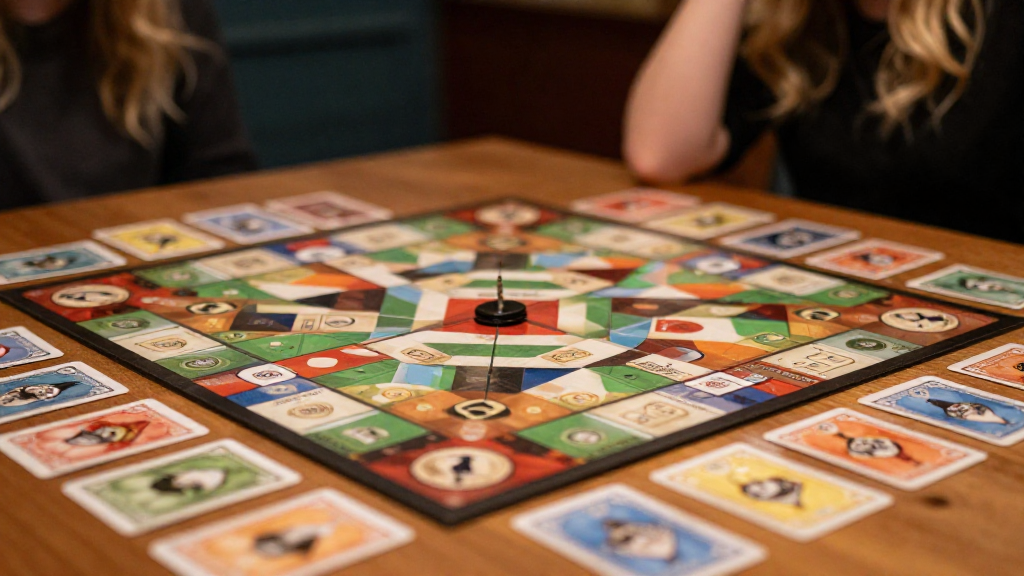
If you’ve ever found yourself wondering how to win at Clue board game, you’re not alone. This classic game of mystery and deduction has been captivating players for generations.
Whether you’re a seasoned detective or a novice looking to crack the case, mastering some strategies can dramatically improve your gameplay experience.
What Is Clue and Why Is It Popular?
First, let’s briefly review what Clue is.
Clue is a murder mystery board game created by Anthony E. Pratt in 1949.
In the game, players are tasked with deducing the who, what, and where of a murder that took place in the mansion of Mr. Boddy.
The game involves:
- Characters: Colonel Mustard, Miss Scarlet, Mrs. Peacock, etc.
- Weapons: Candlestick, revolver, rope, etc.
- Rooms: Kitchen, ballroom, library, etc.
The combination of these elements keeps players engaged and allows for countless variations and strategies.
With that said, let’s dive into some crucial strategies on how to win at Clue board game.
How Can You Improve Your Deduction Skills?
1. Take Organized Notes
Keeping organized notes is vital.
Write down every clue you gather, even if it seems irrelevant.
- Create a chart with columns for each character, weapon, and room.
- Mark off the items you gather through questioning and suggested combinations.
By doing this, you’ll be able to easily track what cards others have and eliminate possible combinations.
2. Observe Other Players
Pay close attention to how other players play.
This gives you insight into what cards they might have, especially based on their suggestions and how they react to your inquiries.
- If a player asks about a room you suggested, they likely don’t have a card for that room.
- Take note of the patterns in their suggestions, as they may repeat certain cards, signaling that they might not have a diverse hand.
3. Strategically Suggest Cards
When it’s your turn to suggest a suspect, weapon, and room, be strategic.
- Suggest one card you hold to gather information.
- Use other player interactions to gauge their reactions.
This will help you not only confirm your own cards but might also reveal essential information about the cards held by others.
What Role Does the Game Strategy Play?
4. Master Movement and Room Influence
To improve your chances of winning, understanding the layout of the mansion is crucial.
- Shortcuts: Make note of any secret passageways that can help you move quickly between rooms.
- Prioritize rooms that are frequently talked about or have many suggestions associated with them.
By being in the right place at the right time, you increase your ability to make educated suggestions.
5. Utilize the Detective Notebook
Many players overlook the importance of using the detective notebook.
This handy tool allows you to jot down your findings during the game.
- Log your suggestions as a player suggests them.
- Note down deductions from other players’ cards.
This collective information can guide you on the likelihood of certain characters or weapons being involved in the crime, making it an invaluable asset.
How Important Is Timing and Suspense?
6. Time Your Accusations
Knowing when to make an accusation can make or break your game.
If you’re confident in your deductions, don’t hesitate to make a bold claim.
However, timing is critical:
- If you accuse too early and are wrong, you’ll be eliminated from the game.
- Wait until you feel justly equipped with information.
Balancing risk and timing is essential, making you more effective in your gameplay.
7. Create Suspense and Misdirection
Don’t just play the game; keep it exciting for everyone involved.
Creating suspense and engaging your fellow players can be a means of misdirection.
- Use psychological tactics like asking leading questions to divert suspicion from yourself.
- Build an air of confidence that makes others second-guess their theories.
This tactic creates a deeper level of engagement, making the game more enjoyable while giving you an upper hand.
How Can You Keep Your Strategy Flexible?
8. Adapt to Changing Dynamics
Every game of Clue is different, which means your strategy must also adapt.
One key way to maintain success is to:
- Change your play style based on how others are playing.
- Identify who is the most serious competitor and adjust your strategies accordingly.
Being able to pivot and adapt to new developments can keep opponents guessing and give you the upper hand.
9. Practice Makes Perfect
Finally, like any board game, the more you play Clue, the better you will become.
Take note of the strategies that have worked for you in the past and incorporate new tactics as you encounter different players.
- Play with varied groups to experience different styles of play.
- Learn from losses; understanding what went wrong can provide you with valuable insights for future games.
Conclusion: How to Excel in Clue Board Game
Now that you have a deep understanding of how to win at Clue board game, you can approach your next game with confidence.
From organized note-taking to strategic accusations and psychological tactics, each element plays a crucial role in lifting the veil on the mystery.
Remember, while winning is great, the true enjoyment lies in the shared experience with your friends and family.
So gather your team, sharpen your wits, and may you unravel the mystery before anyone else!
